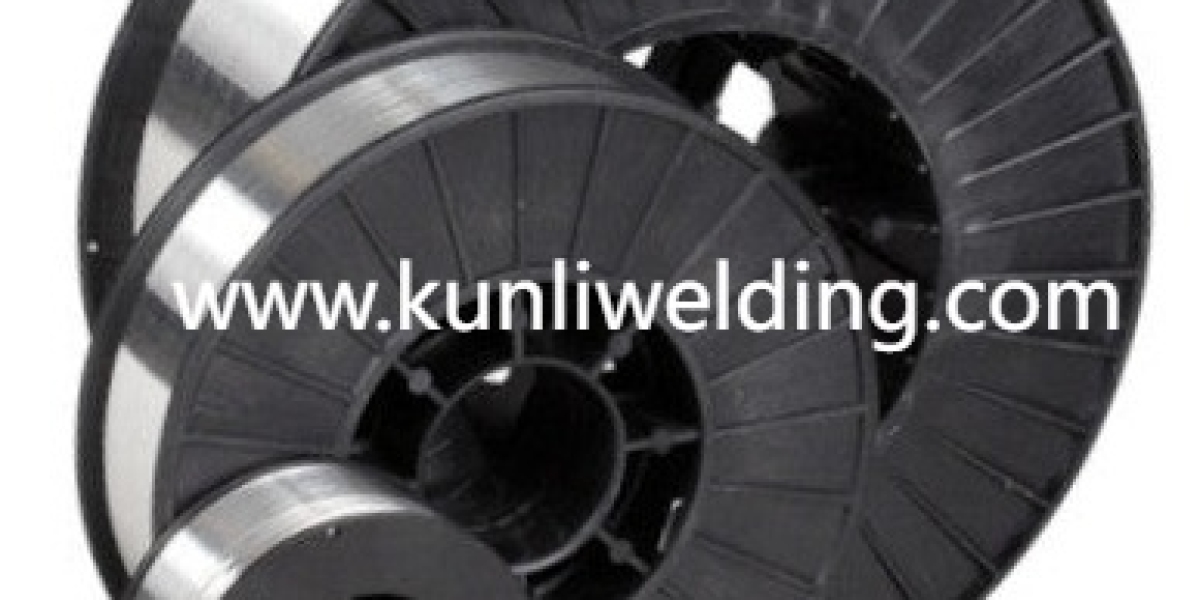

Structural integrity remains paramount in fabricated aluminum assemblies, driving continuous evaluation of filler metal options that deliver reliable mechanical performance. Aluminum Welding Wire ER4943 has attracted attention among welding engineers specifically for its strength characteristics, which address scenarios where conventional filler materials may underperform. Understanding the metallurgical mechanisms behind these strength advantages helps fabricators make informed decisions about when this filler metal offers meaningful benefits.
The fundamental composition of filler metals determines the mechanical properties they can achieve in welded joints. Traditional aluminum filler options often emphasize either silicon content for improved fluidity or maintain relatively pure aluminum compositions to ensure ductility. These conventional approaches serve many applications well but may not maximize strength potential when joining certain base material combinations. Balanced alloying strategies can create strengthening mechanisms that surpass what simpler compositions achieve.
Solid solution strengthening represents one mechanism through which alloying elements enhance mechanical properties. When elements like magnesium and silicon dissolve into the aluminum matrix, they create lattice distortions that impede dislocation movement through the crystal structure. This atomic level interference requires higher stress levels to deform the material, translating directly into improved tensile and yield strength. Filler metals designed with this mechanism in mind incorporate carefully controlled amounts of strengthening elements.
Precipitation hardening offers another avenue for strength enhancement in aluminum alloys, though this mechanism operates differently in weld metal compared to wrought base materials. During solidification and subsequent cooling, certain alloying combinations form fine precipitate particles distributed throughout the microstructure. These particles act as barriers to dislocation motion, similar to solid solution strengthening but through a different physical mechanism. The effectiveness of precipitation hardening depends heavily on the specific elements present and their relative proportions.
The interaction between filler metal chemistry and base material composition creates additional complexity in predicting joint strength. When molten filler metal mixes with melted base material in the fusion zone, the resulting chemistry reflects contributions from both sources. This dilution effect means that filler metal must contain sufficient alloying elements to maintain desired properties even after mixing occurs. Aluminum Welding Wire ER4943 addresses this consideration through its balanced composition, which maintains strength even under varying dilution conditions.
Heat affected zones adjacent to welds often become strength limiting factors in welded assemblies, particularly when working with heat treatable aluminum alloys. The welding thermal cycle can dissolve strengthening precipitates in these regions, creating softened areas that reduce overall joint performance. While filler metal chemistry cannot entirely prevent heat affected zone softening, certain compositions create weld metal that better matches or compensates for reduced base material strength in these critical areas.
Grain structure in the solidified weld metal influences both strength and ductility characteristics. Finer grain structures generally provide improved strength through the Hall Petch relationship, where grain boundaries impede dislocation movement. Alloying elements affect grain size during solidification by influencing nucleation and growth kinetics. Compositions that promote finer grains contribute to strength gains while often maintaining adequate ductility for structural applications.
Corrosion resistance intersects with strength considerations in many aluminum applications, as material degradation over service life can compromise structural integrity. Some high strength aluminum alloys sacrifice corrosion resistance to achieve mechanical property targets. Filler metals must balance these competing demands, providing adequate strength while maintaining resistance to environmental attack. The specific service environment dictates how this balance should be struck for individual applications.
Joint efficiency calculations compare weld metal strength to base material strength, providing a metric for evaluating filler metal performance. Higher joint efficiency indicates that the weld approaches or matches the strength of the materials being joined. For assemblies where welds experience significant loading, improved joint efficiency translates directly into enhanced structural capacity or the ability to use lighter gauge materials for weight savings.
Testing protocols evaluate filler metal strength through standardized procedures that measure tensile properties, bend ductility, and sometimes impact resistance. However, laboratory results represent idealized conditions that may not fully capture performance in actual fabrication environments. Variables like welding technique, heat input, and cleanliness can influence achieved properties, making proper welding procedure development essential for realizing potential strength advantages.
Design engineers increasingly specify filler metals based on expected service loads rather than simply matching to base material designations. This performance based approach requires understanding how different filler options behave under specific loading conditions. Fatigue resistance, creep performance, and fracture toughness may all factor into selection decisions for critical applications where strength alone does not tell the complete story.
The economic considerations of filler metal selection extend beyond simple material cost to include fabrication efficiency and long term performance. If a stronger filler metal enables design optimization that reduces overall material usage or extends service life, the value proposition may justify any premium in filler metal price. Evaluating total cost of ownership provides a more complete picture than focusing solely on consumable costs.
Fabricators seeking to leverage strength advantages in their aluminum welding operations benefit from partnerships with suppliers who provide both quality materials and technical support. Understanding when and how to apply different filler options requires expertise that goes beyond basic product availability. To access comprehensive guidance on filler metal selection including Aluminum Welding Wire ER4943 and its applications, visit https://www.kunliwelding.com/ where material science knowledge supports fabrication success.