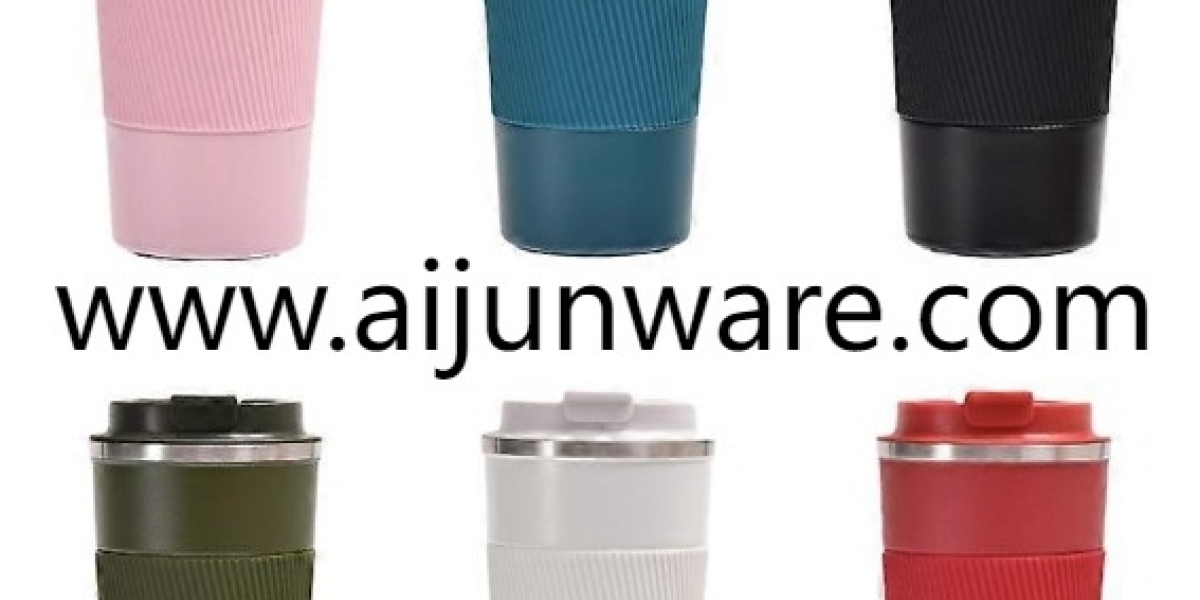

Commuters and travelers rely on beverage containers that deliver consistent temperature retention throughout busy days. An Aijun Thermos Car Mug serves this purpose admirably, yet daily use creates conditions where unpleasant odors develop despite outward cleanliness. Stale smells emerge from microscopic residues that standard rinsing fails to address, transforming pleasant drinking experiences into something less appealing. These odors result from bacterial growth, absorbed flavors, and mineral deposits that accumulate invisibly over time. Understanding proper cleaning and maintenance techniques prevents odor formation while extending container functionality and user satisfaction.
Immediate rinsing after each use forms the foundation of odor prevention. Beverages leave behind sugars, oils, proteins, and tannins that cling to interior surfaces. These organic residues provide nutrients for bacterial colonies that generate unpleasant smells through metabolic processes. Quick rinsing with warm water dislodges loose particles before they dry and bond to surfaces. This simple habit performed consistently prevents residue accumulation that creates future cleaning challenges and odor problems.
Complete disassembly enables thorough cleaning of hidden components. Lids contain gaskets, valves, drinking mechanisms, and other parts that trap liquid in crevices beyond standard washing reach. These hidden spaces become bacterial breeding grounds when liquid residues remain trapped and undisturbed. Removing all separable components and cleaning each piece individually addresses contamination at its source. Gaskets particularly require attention, as their flexible materials and contact with liquids make them prime odor generators.
Soap selection influences both cleaning effectiveness and residual odors. Mild dish soaps designed for food contact surfaces cut through beverage oils without leaving strong fragrances. Heavily perfumed soaps may clean adequately but introduce their own odors that persist and transfer into subsequent beverages. Harsh detergents potentially degrade gasket materials over time, creating rough surfaces that trap more particles. Gentle, minimally scented cleaning products balance effective cleaning against introducing new odor sources.
Bottle brushes provide mechanical scrubbing that chemical action alone cannot achieve. Long-handled brushes with firm yet flexible bristles reach container bottoms and scrub away film buildup on walls. Smaller brushes clean lid components and narrow openings where standard brushes prove too large. Physical agitation dislodges particles that soaking alone leaves behind, making manual scrubbing an essential component of thorough maintenance. Regular brushing prevents film accumulation that becomes progressively harder to remove.
Baking soda offers natural deodorizing combined with gentle abrasive cleaning. This alkaline powder neutralizes acidic compounds from coffee and tea while physically scrubbing away surface stains. Create paste by mixing baking soda with small amounts of water, then apply to interior surfaces. Allow extended contact time for chemical action before scrubbing and rinsing. Alternatively, dissolve baking soda in warm water and let the solution sit overnight, providing time for thorough penetration and odor neutralization.
Vinegar solutions dissolve mineral deposits while killing odor-causing bacteria. White vinegar's acidity breaks down calcium and magnesium buildup from hard water that appears as cloudy films or white residue. Fill containers with equal parts vinegar and warm water, seal lids, shake vigorously, then allow several hours of contact time. The acid penetrates residues while antimicrobial properties reduce bacterial populations. Thorough rinsing removes vinegar smell completely, taking trapped odors along.
Lemon juice provides citric acid cleaning combined with pleasant natural fragrance. This natural acid breaks down organic residues similarly to vinegar while leaving fresher scent. Squeeze fresh lemons or use bottled juice, fill containers, and allow extended soaking. The citrus oils naturally deodorize while acid dissolves buildup. This method proves particularly effective for containers retaining coffee or tea smells despite other cleaning attempts.
Drying procedures prevent moisture retention that enables bacterial growth. After washing, leave containers and components fully disassembled in well-ventilated areas. Position containers inverted or angled to allow complete water drainage rather than pooling. Air circulation prevents dampness in gaskets and lid mechanisms where bacteria thrive. Never reassemble components while any moisture remains, as trapped water creates ideal conditions for odor-generating microorganisms between uses.
Sunlight exposure offers natural sanitization through ultraviolet radiation. Place washed containers in direct sunlight for several hours, allowing UV rays to kill bacteria surviving mechanical cleaning. This method works particularly well for stubborn odor problems resistant to chemical cleaning. Combine sun exposure with open-air drying for comprehensive odor elimination using only natural processes. Extended exposure may fade some exterior colors but proves harmless to stainless steel construction and functional components.
Storage practices between uses affect odor development. Store containers with lids removed or loosely positioned rather than sealed tightly. Trapped air becomes stale and promotes bacterial growth even in clean containers. Open storage allows continuous air exchange maintaining interior freshness. Store in dry locations away from heat sources that might encourage microbial activity in residual moisture. Cool, dry, well-ventilated storage prevents problems before they start.
Deep cleaning frequency depends on usage patterns and beverage types. Daily coffee drinkers benefit from weekly intensive cleaning sessions addressing residues that daily rinsing misses. Occasional users may extend intervals but should never skip deep cleaning entirely. Strongly flavored beverages demand more frequent attention than plain water. Honest assessment of actual usage guides appropriate maintenance schedules that prevent rather than remediate odor problems.
Component replacement addresses deterioration beyond cleaning capabilities. Gaskets develop permanent odors, cracks, or rough textures over extended use. Discolored or damaged seals warrant replacement regardless of cleaning efforts. Some manufacturers offer replacement parts, while severe degradation may necessitate container retirement. Evaluating component condition during cleaning identifies when replacement becomes more practical than continued cleaning attempts.
A Thermos Car Mug maintained through consistent cleaning and thoughtful care delivers years of odor-free service. Prevention proves substantially easier than remediation, making daily habits more valuable than periodic intensive cleaning. Fresh-smelling containers enhance beverage experiences, ensuring coffee tastes like coffee rather than yesterday's tea mixed with stale odors. Regular maintenance preserves both function and enjoyment across countless daily uses.
Quality containers deserve care routines matching their construction and daily utility. Your Thermos Car Mug becomes a lasting companion when cleaning practices prevent odor issues that diminish satisfaction. These simple techniques maintain freshness without demanding excessive time or specialized products. Consistent attention transforms routine maintenance into preservation that respects both equipment investment and drinking pleasure.
Those seeking durable containers designed for straightforward maintenance alongside thermal performance can examine various options balancing quality construction with user-friendly features. Visit https://www.aijunware.com/product/ to compare designs facilitating thorough cleaning while delivering reliable temperature retention for daily beverage transportation and enjoyment.