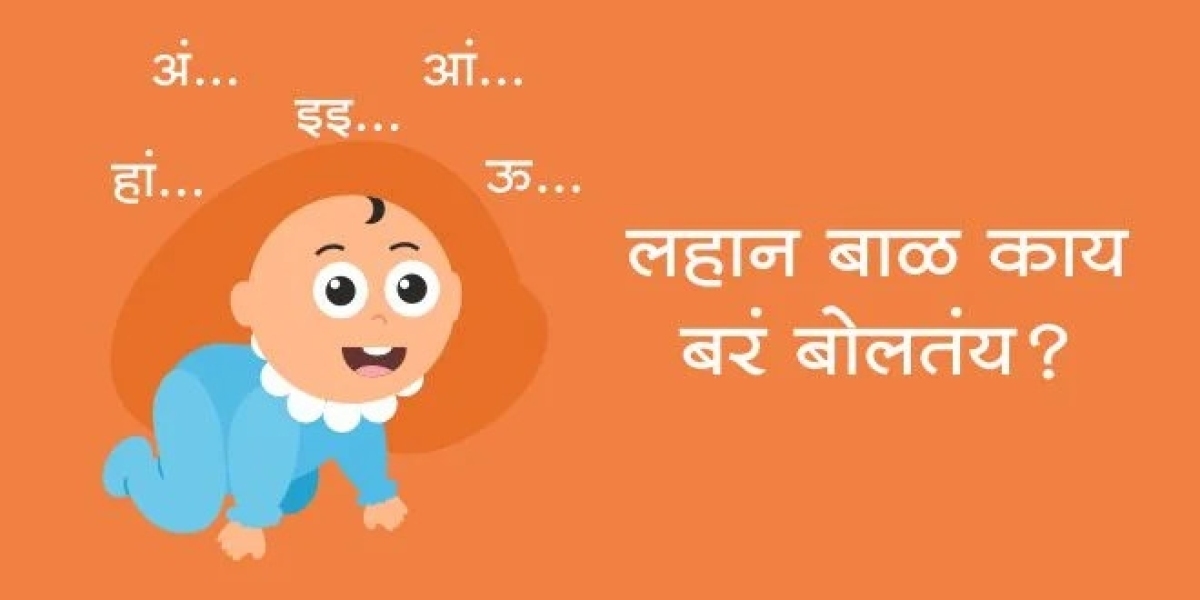

Every parent cherishes the first sounds their baby makes. From coos and gurgles to tiny babbles, these early sounds are more than just adorable they are the beginning of language and communication. Babies don’t start with real words, but they express a lot through sounds, gestures, and expressions. Understanding what your baby is trying to say helps build connection and supports healthy development.
In the first few months, babies communicate mainly through crying. Crying tells you they need something food, comfort, a diaper change, or sleep. Over time, you begin to notice different types of cries. A hungry cry might sound rhythmic, while a tired cry may be softer and slower. Responding sensitively to these cues strengthens trust and helps your baby feel secure.
Read More: https://chikupiku.com/blogs/blog/what-is-your-baby-talking
As babies grow, they start making cooing and gurgling sounds. These are not words, but they show that your baby is exploring their voice. When your baby coos back at you, it’s like a tiny conversation. You talk, they respond and this back-and-forth helps them learn communication basics.
Between 6 and 9 months, many babies begin babbling, repeating sounds like “ba-ba,” “da-da,” or “ma-ma.” While these are not actual words yet, they are important milestones. Babies learn by hearing the sounds you make. When you respond with encouragement and repeat their sounds in a cheerful voice, you help them connect sounds with meaning. This playful interaction lays the foundation for language.
Body language is also key. A baby might point to a toy they want, wave goodbye, or reach up to be picked. These gestures are early signs of intentional communication. Paying attention to your baby’s face and movements helps you understand their needs even before they speak real words.
Talking to your baby throughout the day during play, feeding, or while changing clothes supports language development. Describe what you’re doing, sing songs, and read simple rhymes. Even if your baby doesn’t understand the words yet, they absorb sounds, rhythm, and expressions.
Every baby develops at their own pace. Some begin saying simple words like “mama” or “dada” around their first birthday, while others take a little longer. The key is responsive and loving interaction.
At ChikuPiku, we believe that understanding your baby’s early communication builds trust, cognitive growth, and emotional bonding. By listening with care and talking with joy, you help your child take the first steps toward lifelong learning.
About Us:
ChikuPiku is the Best Marathi Magazine for kids! We create fun stories, poems, and activities just for young readers. Each month, there’s a new theme to explore in our Marathi kids magazine. With sections like Science सैर, Nature & मी and हातांची जादू, children can learn through engaging content and their creativity also gets a boost!In addition to our magazine, we offer a fantastic collection of Marathi Audio Stories that make learning even more enjoyable. With over 365 audio stories for kids, children can listen to their favorite tales anytime. Whether it’s bedtime stories in Marathi or during mealtime, travel-time, our audio stories for kids are the best companions.
Connect With Us
For Support:
+91 7276036478
support@chikupiku.com
For Inquiry
+91 9307874027