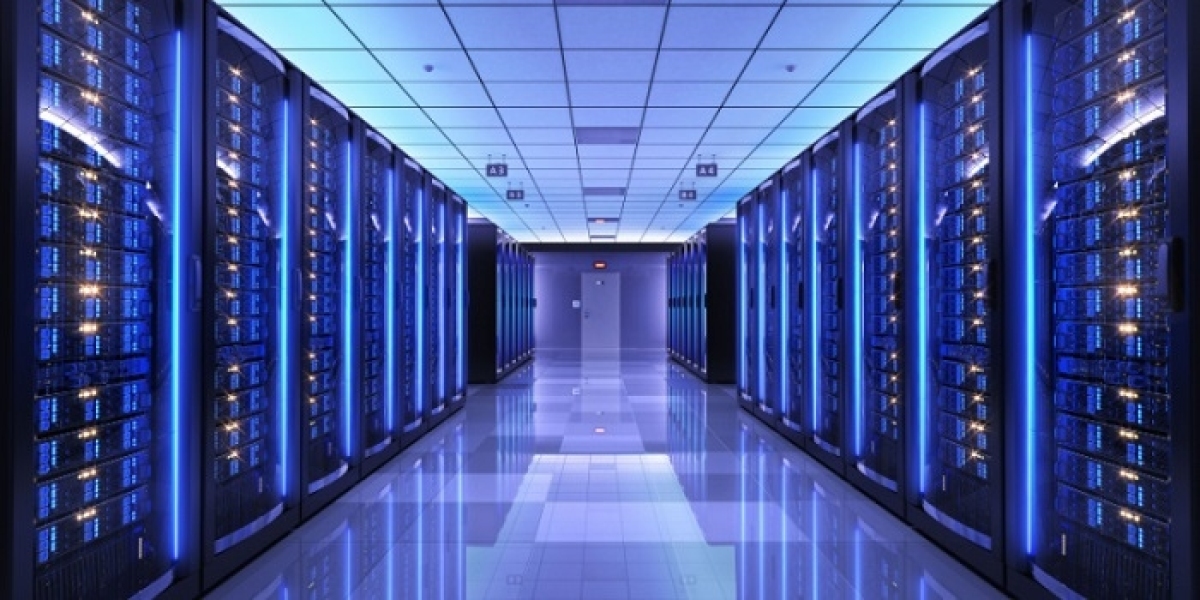

Servers are powerful computers designed to store, process, and manage data, providing resources to other devices within a network. They serve as the backbone of the internet and internal networks, hosting websites, databases, and applications. Unlike regular personal computers, servers are built to handle multiple simultaneous connections, ensuring reliability and high performance. They come in various forms, including rack-mounted, tower, and blade servers, tailored to different organizational needs. Servers operate continuously, offering 24/7 accessibility to users worldwide. Their hardware includes robust processors, large memory capacities, and extensive storage solutions to manage demanding workloads. They run specialized server operating systems like Windows Server, Linux, or Unix, optimized for network management and security. Understanding servers is crucial for grasping how digital services and business operations function seamlessly in today's connected world.
Types of Servers and Their Functions
Servers are categorized based on their functions and the services they provide within a network. Web servers host websites and deliver web pages to users' browsers, serving as the foundation of the internet. File servers manage and share files across users and devices, ensuring data accessibility and security. Database servers store, retrieve, and manage databases, supporting business applications and data-driven services. Application servers facilitate the execution of software applications, enabling complex operations and workflows. Mail servers handle email communications, managing sending, receiving, and storing emails securely. Each server type is optimized for its specific function, often working together to create a comprehensive IT infrastructure. Selecting the appropriate server depends on organizational needs, scalability requirements, and security considerations, ensuring optimal performance and resource management.
Importance of Server Security and Maintenance
Server security is vital to protect sensitive data, maintain operational integrity, and prevent cyber threats. Regular maintenance includes software updates, hardware checks, and security patches to prevent vulnerabilities. Implementing firewalls, encryption, and intrusion detection systems safeguards against unauthorized access and attacks. Backup procedures are essential for data recovery in case of hardware failure or cyber incidents. Monitoring server performance helps identify potential issues before they cause disruptions, ensuring high availability. Proper configuration and access controls limit user permissions, reducing the risk of insider threats. Additionally, physical security measures prevent unauthorized physical access to servers. In an era of increasing cyber threats, organizations must prioritize server security and maintenance as part of their overall cybersecurity strategy. This proactive approach ensures reliable performance, data integrity, and business continuity.
Cloud Servers: The Future of Data Management
Cloud servers represent a revolutionary shift in data management, offering scalable, flexible, and cost-effective solutions. Unlike traditional physical servers, cloud servers are hosted on virtual infrastructure provided by cloud service providers such as AWS, Azure, and Google Cloud. They enable organizations to rapidly scale resources up or down based on demand, eliminating the need for extensive physical hardware investments. Cloud servers support remote access, collaboration, and disaster recovery, making them ideal for modern, distributed workforces. They also reduce maintenance costs and management complexity by outsourcing hardware and infrastructure responsibilities. Security features like encryption, identity management, and compliance tools are integrated into cloud platforms, ensuring data protection. As digital transformation accelerates, cloud servers are becoming the preferred choice for businesses seeking agility, efficiency, and innovation in their IT operations.
Source: https://www.marketresearchfuture.com/reports/servers-market-16189