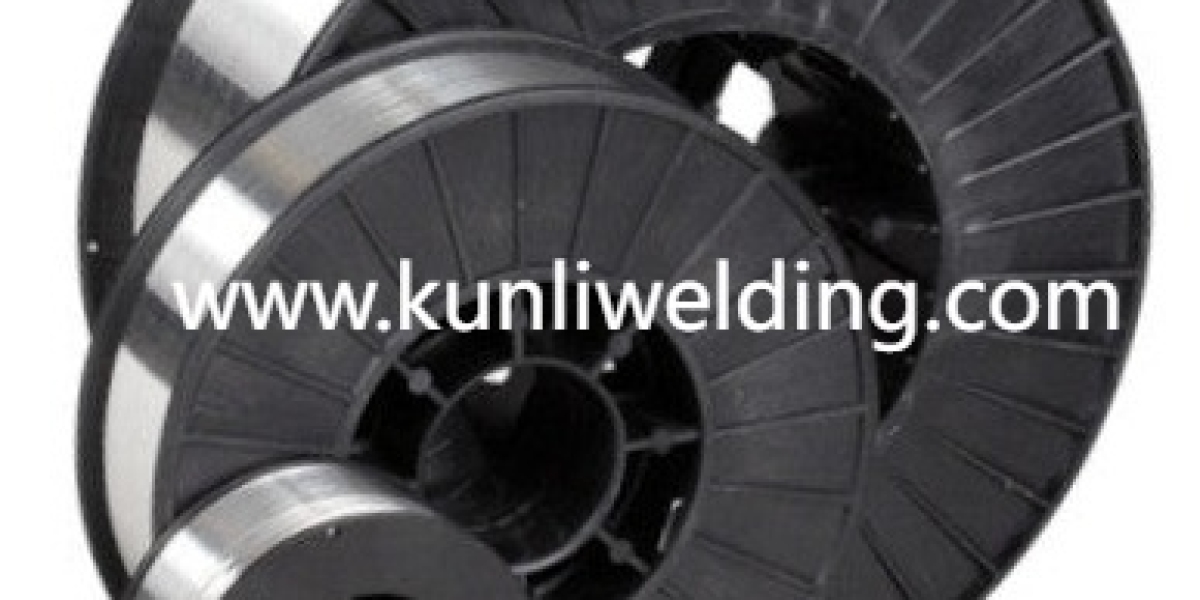

Weld metal mechanical properties significantly influence structural performance in aluminum fabrication, with joint strength directly affecting load-bearing capacity, safety margins, and service reliability across demanding applications. Filler material selection impacts final weld metal characteristics through compositional effects on solidification behavior, microstructure development, and resulting mechanical properties. Understanding how Aluminum Welding Wire ER4943 delivers strength characteristics in specific application contexts helps engineers recognize scenarios where this silicon-bearing filler provides mechanical property advantages supporting structural requirements, repair applications, and mixed-alloy fabrication where its unique chemistry creates favorable outcomes.
Silicon strengthening mechanisms operate differently than magnesium or chromium additions, creating distinct property profiles suited to particular base metal combinations and service conditions. Silicon dissolves in aluminum creating solid solution strengthening through lattice distortion effects that impede dislocation movement during plastic deformation. This strengthening mechanism activates immediately upon solidification without requiring post-weld heat treatment, delivering usable strength in as-welded conditions. The silicon content also modifies grain structure during solidification, potentially creating finer grains that contribute additional strengthening through Hall-Petch mechanisms where grain boundaries obstruct dislocation motion enhancing material strength.
Base metal dilution effects significantly influence final weld metal properties as melted base metal mixes with filler material during welding. When joining silicon-containing base metals including castings and certain wrought alloys, the combined silicon from both sources can create higher final silicon content in weld metal than filler alone would provide. This dilution-enhanced silicon concentration produces strengthening effects exceeding what pure filler composition would achieve, creating scenarios where this material delivers higher strength than might be expected from filler chemistry alone. Understanding these dilution effects helps engineers recognize when this filler provides strength advantages in specific base metal applications.
Casting repair applications particularly benefit from favorable strength characteristics when welding silicon-containing aluminum castings. Engine blocks, transmission housings, and structural castings contain silicon that dilutes into repair weld metal, combining with filler silicon creating final compositions with enhanced strength. Alternative fillers lacking silicon compatibility may produce weld metal with mismatched properties or cracking susceptibility when diluted by silicon-containing base metals. This material's compatible chemistry creates repair welds maintaining structural integrity and adequate strength for continued service, extending component economic life through successful repair rather than requiring complete replacement.
Heat-affected zone considerations influence practical joint strength beyond just weld metal properties alone. Aluminum welding creates softened regions adjacent to welds where heat disrupts strengthening mechanisms in base metal. While filler material cannot prevent this softening entirely, producing sound weld metal without additional defects ensures heat-affected zones represent the only strength reduction rather than compounding problems through poor fusion or cracking. This material's crack resistance and sound fusion characteristics maintain maximum possible joint performance within inherent limitations of aluminum welding thermal effects.
Dissimilar metal joining creates compositional gradients affecting local strength variations throughout weld zones. When joining different aluminum alloys, the weld metal contains mixed chemistry from base metal dilution creating composition variations across fusion zones. This material maintains adequate strength across reasonable composition ranges resulting from dissimilar metal dilution, ensuring joints maintain structural integrity despite compositional complexity. Alternative fillers showing strength degradation with dilution variations create weak zones in dissimilar metal applications where this versatile chemistry maintains more consistent properties.
Repair procedure qualification often demonstrates adequate strength for returning damaged components to service despite not necessarily exceeding virgin material properties. Structural repairs require weld metal maintaining sufficient strength supporting service loads without premature failure at repair locations. This silicon-bearing filler produces repair weld strength adequate for many applications, enabling successful component restoration. The practical strength sufficiency for repair applications represents functional advantage even when absolute strength values may not exceed all alternative filler options under all conditions.
Multi-pass welding in thick sections benefits from consistent strength development across all weld layers from root through cap passes. Initial passes experience restraint from surrounding base metal while subsequent passes face restraint from previously deposited weld metal. Maintaining adequate strength throughout all layers ensures complete joint cross-section contributes to structural capacity rather than containing weak layers limiting overall performance. This material produces consistent properties across multiple passes supporting reliable thick-section welding.
Aluminum Welding Wire ER4943 demonstrates strength characteristics particularly valuable when its crack resistance and base metal compatibility enable successful welding in applications where alternative materials might fail regardless of their theoretical strength advantages. Sound welds with adequate strength prove more valuable than defective joints with higher potential strength that cracking or poor fusion prevents from achieving. The practical strength advantages emerge from successful application in challenging scenarios rather than just laboratory property comparisons under ideal conditions.
Testing verification through mechanical property evaluation during procedure qualification confirms actual strength achieved under specific welding conditions and base metal combinations. Tensile testing documents weld metal and joint strength ensuring adequate properties for intended applications. Hardness measurements provide additional property characterization. This empirical data demonstrates real-world performance rather than relying solely on nominal filler specifications that may not reflect actual results under production conditions.
Understanding strength characteristics requires considering complete application context including base metal type, dilution effects, joint design, and service requirements rather than just comparing filler specifications in isolation. This silicon-bearing material delivers strength advantages in specific scenarios where its chemistry proves particularly compatible with base metals and application demands. Recognizing these favorable scenarios enables appropriate material selection matching filler capabilities to actual requirements. Additional information about application-specific strength performance and material selection guidance is available at https://kunliwelding.psce.pw/8p6qax .