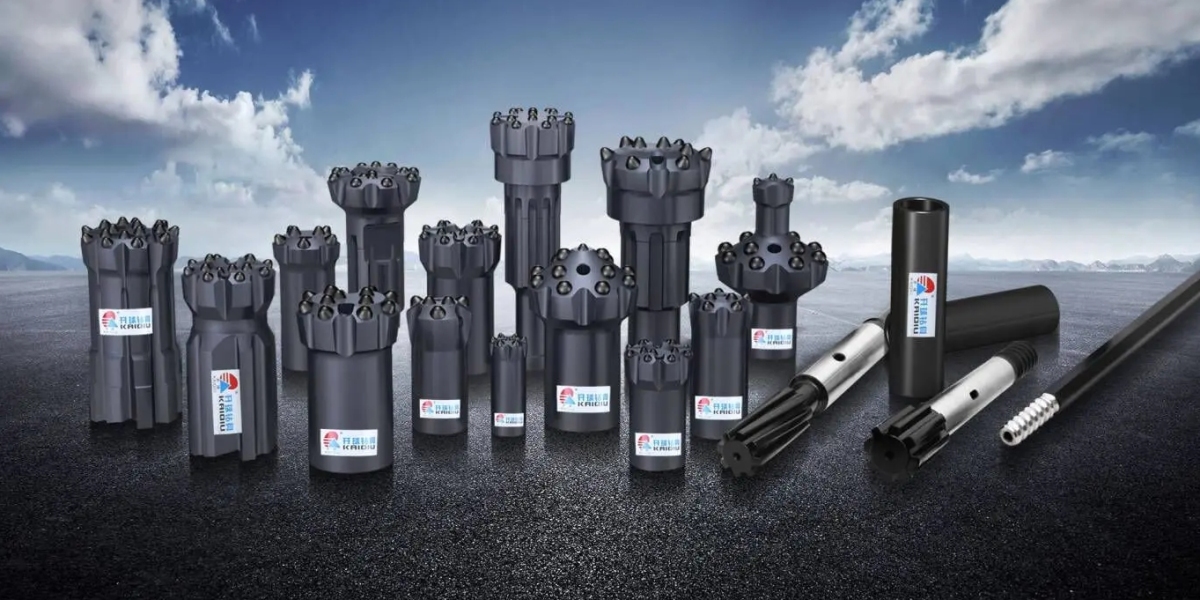

In the world of Water Well Drilling Tools, DTH Bit wear and drilling performance frequently surface as critical concerns among operators, rig owners, and drilling professionals. Whether you’re drilling through hard shale, sandstone, or mixed formations, a variety of factors can influence how your bit performs and how quickly it needs replacement—issues that show up repeatedly in forums and technical discussions.
One of the first indicators of performance decline is a slower penetration rate. When a DTH Bit starts drilling slower than expected, there are a range of common causes. A worn or flattened bit button dramatically reduces cutting efficiency, which means the hammer’s percussive energy isn’t effectively breaking rock. Uneven wear, especially if the gauge row wears faster than the face, often indicates misalignment or poor drilling technique. Over time, this can also cause hole deviation that makes the drilling path less straight and more costly to correct.
Air pressure and flushing performance play an equally important role. If the drilling air supply is insufficient or contaminated, the hammer loses impact power, and cuttings may not be evacuated effectively from the hole. Users on drilling forums have reported situations where sediments accumulate because they do not exit the hole effectively, which can even lock the bit in place if not corrected quickly. In one shared case, small rock fragments simply weren’t coming out of the borehole, and operators had to resort to jetting or improved air flushing to remove the cuttings.
Another common issue is drilling deflection or “wandering.” While the quality of the Water Well Drilling Tools impacts this, operator technique is equally significant. Improper feed force, incorrect rotation speed, or ignoring subtle vibration changes during drilling can cause the bit to deviate. Monitoring drilling logs and adjusting practices based on rock conditions can mitigate these problems.
Ultimately, improving drilling performance with your DTH Bit involves a combination of correct bit selection, effective flushing, and attention to equipment maintenance. Paying close attention to how bits wear over time and adapting your approach based on real-world feedback helps achieve smoother operations and reduces unplanned downtime.