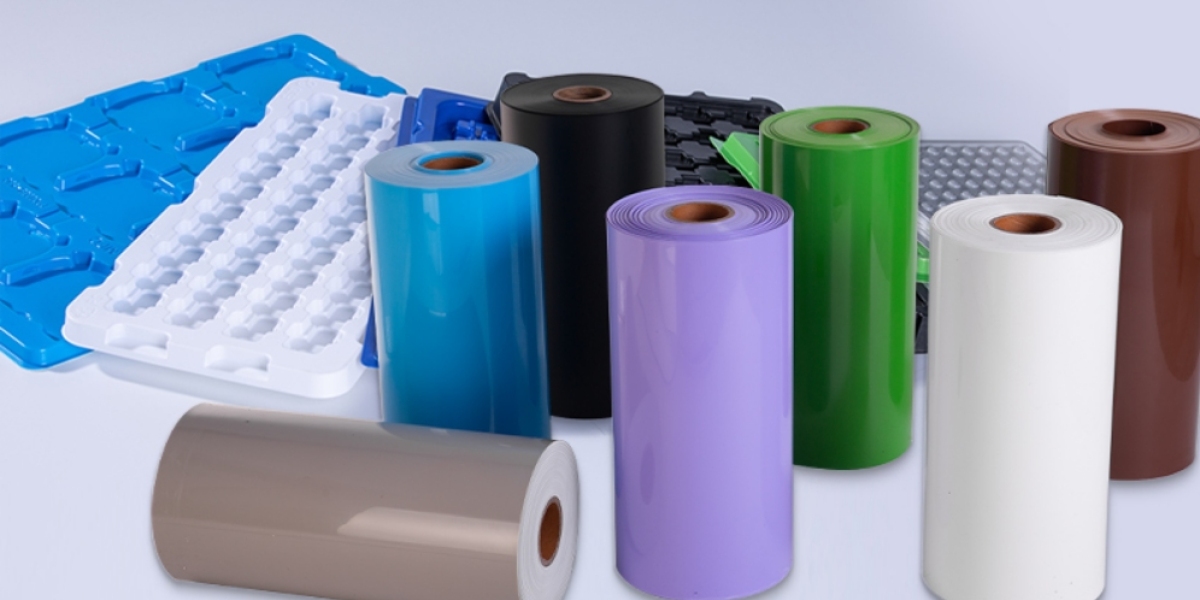

Electrostatic discharge (ESD) issues are a common source of costly failures in electronics manufacturing and handling. When sensitive components encounter an unexpected static event, damage may not always be instantaneous or obvious, leading to later failures that are difficult to trace back to their true cause. This creates a powerful incentive for facilities that deal with printed circuit boards (PCBs), integrated circuits (ICs), or other sensitive devices to rethink how they manage static risks. One material category that plays an important role in this context is Conductive Polystyrene Roll Stock, often grouped under ESD Material because of its ability to control static buildup and discharge.
Static charges can originate from simple contact and separation of materials, or even from humans walking across a carpeted floor. Excessive charge accumulation can reach thousands of volts, enough to damage chips that operate at millivolt logic levels. It’s not only equipment on the production line that’s at risk; static can impact packaging, transport, and storage if materials aren’t selected with ESD performance in mind. Researchers and industry standards define ESD materials as those designed to reduce static electricity or safely dissipate charge to protect sensitive devices.
Conductive and static-dissipative materials are defined primarily by surface resistivity levels, which determine how quickly and effectively charge moves across or through a surface. Materials like Conductive Polystyrene Roll Stock can provide a controlled path to ground, helping prevent accumulation of static that would otherwise discharge unpredictably. Compared with ordinary plastics, which are insulating and hold charge, specialized ESD materials ensure that electrons flow away from vulnerable components at a controlled rate.
In practical terms, applying ESD awareness means looking beyond just wrist straps or mats. It means ensuring that workstation surfaces, packaging liners, trays, and even floor coverings are matched to the risk profile of the components being handled. For example, static-safe packaging and conductive sheet materials should be used when shipping boards or chips, because ordinary paper or plastic can behave like insulators and trap charge next to sensitive nodes. Forum discussions among industry technicians highlight scenarios where lack of static control led to repeated failures, downtime, and costly rework.
In conclusion, understanding how ESD Material works and integrating static control into every stage of production can significantly reduce charge-related failures. For electronics handling environments, the benefits of adopting static-aware practices ripple from quality assurance to supply chain reliability.