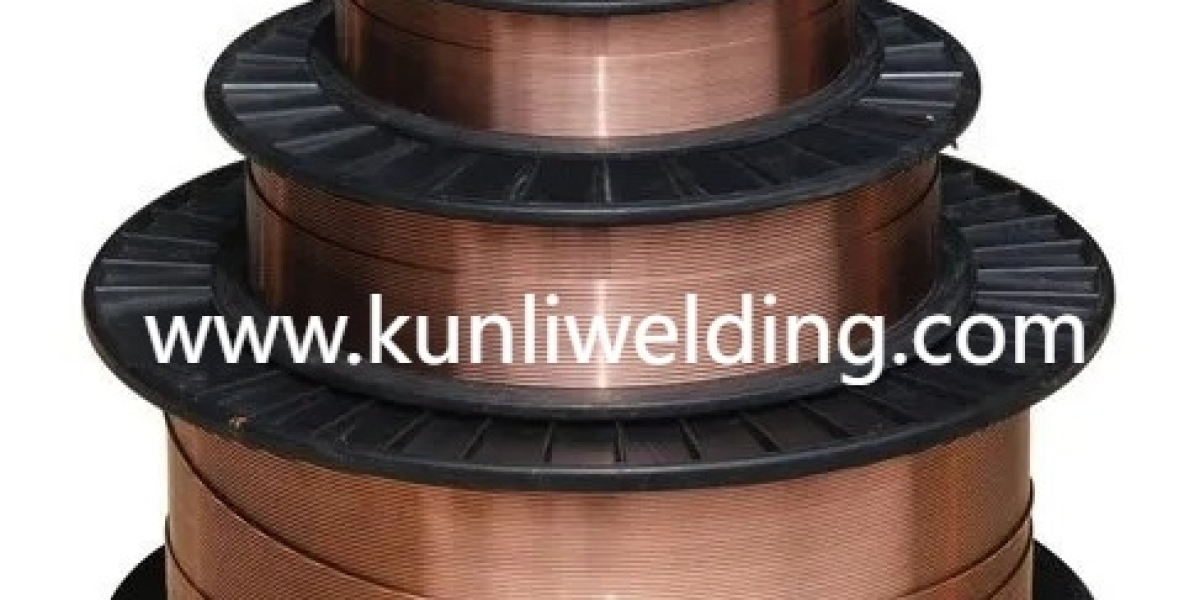

In the evolving landscape of metal fabrication, the selection of filler material dictates the longevity and safety of the final structure. Many technicians are now shifting their focus toward specialized alloys to meet demanding industrial requirements. When projects require higher shear strength and better fluidity, using Aluminum Welding Wire ER4943 has become a preferred strategy for achieving reliable joints. This specific filler metal is designed to offer the benefits of traditional silicon based wires while enhancing the mechanical properties of the weld without requiring additional heat treatment.
Selecting the right filler involves understanding the chemical interaction between the wire and the base material. This alloy is particularly effective when working with various series of wrought and cast materials. Because it contains a controlled amount of magnesium in addition to silicon, it provides a unique balance of flow and strength. This combination helps welders manage the puddle more effectively, reducing the likelihood of common defects such as porosity or incomplete fusion.
Structural projects often involve metals that are sensitive to heat. One of the primary advantages of this filler is its ability to maintain high strength in the as welded condition. This is a significant factor for industries where secondary processing is not feasible. By providing a higher shear strength compared to standard alternatives, it ensures that the connection remains robust under mechanical stress. This makes it a suitable choice for frame components, automotive parts, and various structural assemblies that face regular vibration or load bearing demands.
Compatibility is a cornerstone of successful welding. This filler pairs well with popular base alloys found in transport and construction. It is designed to minimize the risk of solidification cracking, which is a frequent hurdle when joining certain magnesium and silicon based parent metals. The improved wetting characteristics of the molten metal allow for a smoother bead appearance, which is often a requirement in visible architectural or consumer facing products.
Working with advanced materials also requires a focus on technique. The fluidity of the puddle means that operators can maintain a steady travel speed, which helps in controlling the heat affected zone. Reducing the total heat input into the base metal preserves the original properties of the alloy, ensuring the entire structure performs as intended. As shop environments become more technologically focused, the demand for materials that simplify these complex variables continues to grow.
Achieving a professional finish starts with high quality consumables that match the technical needs of the task. Whether you are working on a small repair or a large scale assembly, the integrity of the bond is non negotiable. Utilizing the correct filler ensures that your work meets current safety standards and operational expectations. For those looking to improve their fabrication outcomes with specialized alloys and reliable supplies, further details are available at https://kunliwelding.psce.pw/8p6qax . Could you determine if your current base metal choice is compatible with these advanced filler options?