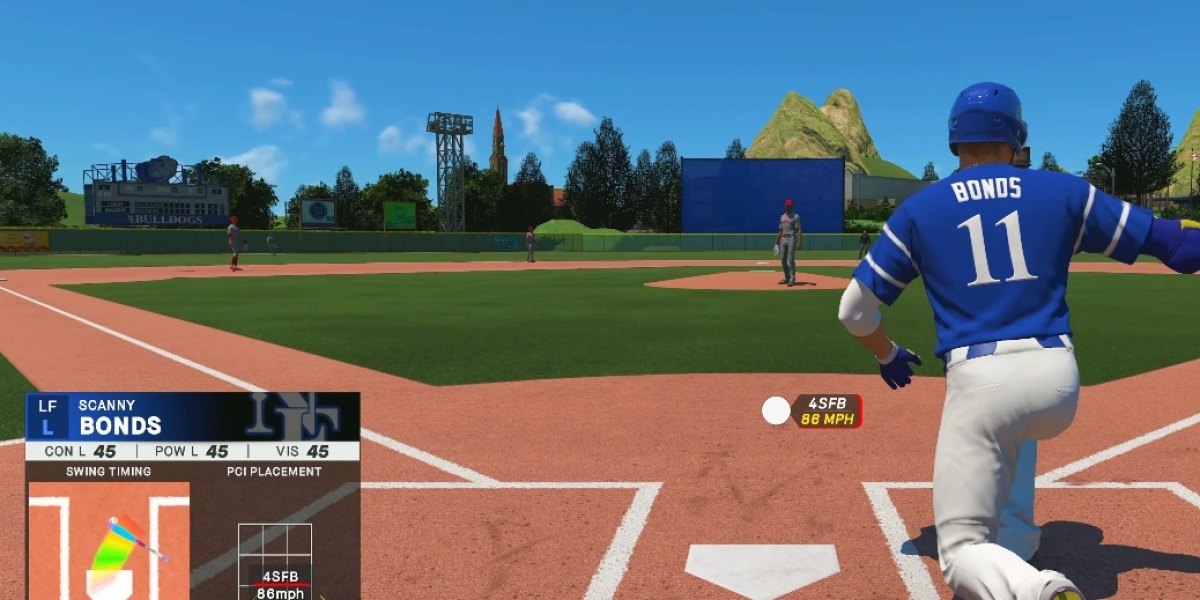

In online competitive play for MLB The Show 26, surviving on the mound isn’t about throwing your favorite pitches; it’s about disrupting human muscle memory. With most high-level players using the Strike Zone hitting camera and Zone interface, they are looking for specific visual cues and release points. If you throw predictable sequences, you will get blasted.
To consistently win in Ranked Seasons, you need a pitch mix that abuses current hitting visual limits and creates severe speed differentials. Here is a breakdown of the best pitch mixes for online play, complete with specific velocities, placement rules, and sequencing logic.
1. The East-West Meta: Sinker & Cutter Hybrid
This remains the most stressful combination for any online batter to face. The reason is simple: both pitches start on nearly identical visual paths out of the hand but break in completely opposite directions at the plate.
The Sinker (Primary Velocity: 94–98 mph): Unlike a traditional four-seam fastball that runs straight, the sinker features late downward and horizontal break. Throwing a 97 mph sinker high-and-in to a same-handed batter forces them to commit instantly. If they react to a straight fastball, the late tight movement jams them, leading to weak pop-ups or broken bats.
The Cutter (Primary Velocity: 90–94 mph): The cutter breaks away from same-handed hitters. When paired with the sinker, it creates a visual guessing game.
How to Sequence It:
If you throw a 96 mph sinker on the inside corner, your opponent has to swing early to hit it. On the very next pitch, throw a 92 mph cutter targeting the exact same starting tunnel, but breaking off the outer edge of the plate. Because they have to speed up their hands for the internal threat of the sinker, they will consistently pull their front shoulder and roll over on the cutter, producing easy groundouts.
2. The Hard Speed Disruption: Outlier Fastball & Circle Change
Velocity still rules the upper tiers of Diamond Dynasty, but raw speed is useless if it is constant. The real weapon is the velocity gap.
The 4-Seam Fastball with Outlier (100–102 mph): When located at the top letters of the strike zone, a 101 mph fastball gives the batter roughly 390 milliseconds to read, process, and swing.
The Circle Change (82–85 mph): This pitch features late fading depth and, most importantly, drops the speed by 15 to 18 mph compared to the fastball.
Fastball: [==================== 101 mph ====================] -> Fast Reaction RequiredChangeup: [=============== 84 mph ===============] -> Forces Early SwingThe Data Breakdown:
If an opponent proves they can time up a 101 mph fastball high-and-in, they are fully keyed into velocity. Dropping a 84 mph circle change low-and-away creates a massive 17 mph speed differential. Because the arm action looks identical using Pinpoint pitching, the hitter's brain reads "fastball," causing their Plate Coverage Indicator (PCI) to drop while their timing mechanism triggers way too early.
3. The Lateral Nightmare: Sweeper & Slurve
Traditional sliders are still useful, but the increased horizontal sweep of the Sweeper has taken over the competitive online meta.
The Sweeper (85–88 mph): It sacrifices vertical drop for extreme lateral movement, often crossing multiple horizontal lanes of the plate.
The Slurve (82–85 mph): It offers a looping, multi-dimensional break that falls diagonally.
When managing your Diamond Dynasty squad, building a deep bullpen with these specific pitch archetypes is crucial for maintaining rank. Many players aggressively grind the market or optimize their collections to secure top-tier arms. If you are looking to quickly reinforce your roster with premium stubs, checking marketplace safety is a smart first step. While looking up third-party services like u4n, is buying MLB The Show 26 stubs safe is a common question among players looking to skip the marketplace grind, mastering your actual on-mound mechanics and pitch tunneling remains the ultimate differentiator in close Rank games.
4. The Absolute Meta Rule: Never Pitch Inside the Zone on 0-2 or 1-2
When you get ahead in the count 0-2 or 1-2, competitive online players expect a waste pitch, but human nature makes them impatient.
| Pitch Type | Intended Target Location | Expected Batter Mistake |
| Sinker | 2 inches below the bottom zone line | Early roll-over grounder |
| Sweeper | 3 inches off the outer plate edge | Reaching chase swing and miss |
| Splitter | Directly in the dirt below the knees | Checked swing or empty whiff |
A common mistake is throwing a strike to "catch them looking." Against good players, a strike on 0-2 is a meatball. Instead, aim for the margins. Throw a splitter that starts at the belt and finishes in the dirt. Because they are protective of the strike zone in a two-strike count, the late vertical drop forces empty swings 70% of the time. Keep your patterns erratic, rely on speed differentials of at least 12 mph between consecutive pitches, and force the hitter to prove they can lay off the horizontal edges.