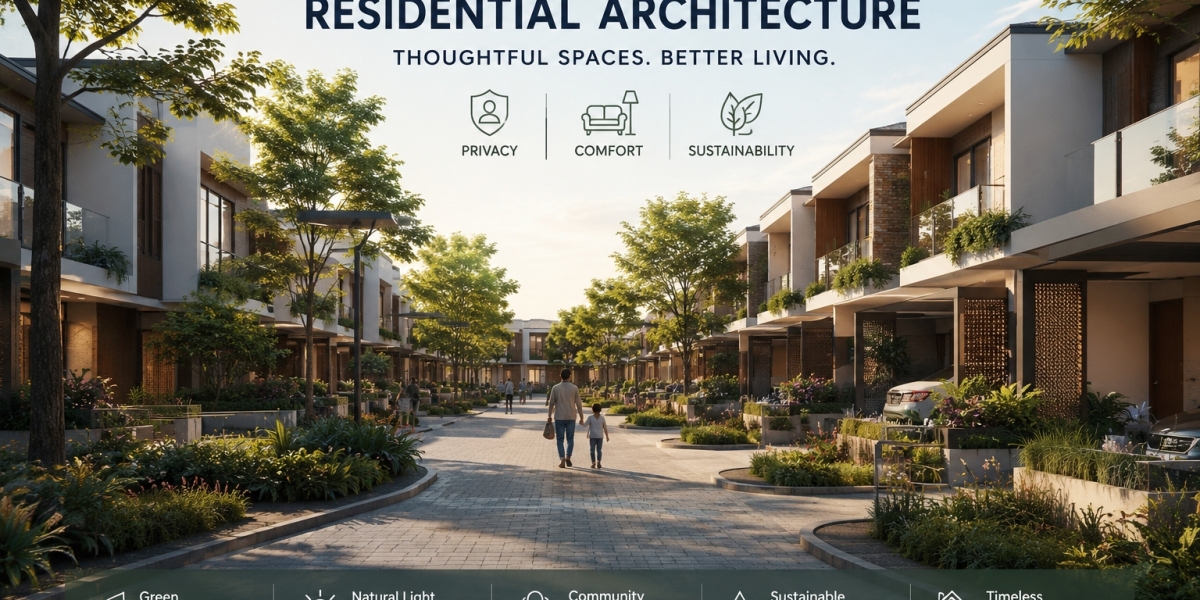

As cities continue to expand, homeowners and developers are increasingly looking for housing solutions that provide a better quality of life. Low-rise Residential Architecture has emerged as a preferred choice because it successfully combines privacy, comfort, and sustainability while maintaining a strong connection with the surrounding environment. Unlike high-rise developments, low-rise residential projects create human-scale communities where residents enjoy greater personal space, natural light, and healthier living conditions.
Modern architects are focusing on innovative design approaches that maximize land use without compromising residents' well-being. Through thoughtful planning, green building practices, and community-oriented layouts, Low-rise Residential Architecture offers a balanced approach to contemporary living.
What Is Low-rise Residential Architecture?
Low-rise Residential Architecture refers to residential buildings that typically range from one to four stories in height. These developments include villas, townhouses, row houses, duplexes, and small apartment complexes.
The design philosophy behind low-rise housing emphasizes accessibility, open spaces, natural ventilation, and community interaction. By maintaining a lower building height, architects can create environments that feel more personal and connected to nature.
Why Privacy Matters in Residential Design
Privacy remains one of the most important factors influencing residential satisfaction. In densely populated urban areas, maintaining personal space can be challenging.
Strategic Building Orientation
One of the key advantages of Low-rise Residential Architecture is the ability to position buildings strategically. Architects carefully orient homes to minimize direct overlooking between neighboring properties while maximizing natural light.
Private Outdoor Spaces
Low-rise developments often incorporate:
- Private gardens
- Courtyards
- Balconies
- Terraces
- Landscaped buffers
These spaces provide residents with areas for relaxation without sacrificing privacy.
Reduced Visual and Noise Disturbance
Compared to high-rise buildings, low-rise communities generally experience lower population density. This reduces noise pollution and visual intrusion, creating a more peaceful living environment.
How Low-rise Residential Architecture Enhances Comfort
Comfort extends beyond physical shelter. It includes environmental quality, convenience, and emotional well-being.
Natural Ventilation and Airflow
Modern Low-rise Residential Architecture prioritizes cross-ventilation. Open floor plans, strategically placed windows, and courtyard designs encourage fresh air circulation throughout the home.
Benefits include:
- Improved indoor air quality
- Reduced dependence on mechanical cooling
- Enhanced thermal comfort
- Lower energy consumption
Abundant Natural Light
Natural light plays a significant role in occupant well-being. Low-rise structures allow architects to design larger windows and openings that bring daylight deep into interior spaces.
This improves:
- Mood and productivity
- Visual comfort
- Energy efficiency
- Overall living experience
Human-Centered Community Design
Low-rise neighborhoods are designed to encourage social interaction while preserving individual privacy.
Common features include:
Walkable Streets
Pedestrian-friendly pathways encourage residents to walk rather than rely on vehicles.
Shared Green Areas
Community parks and gardens provide opportunities for recreation and social engagement.
Child-Friendly Spaces
Families often prefer low-rise communities because children can play safely in supervised outdoor areas.
Sustainability in Low-rise Residential Architecture
Environmental responsibility has become a central focus in residential design. Sustainable architecture helps reduce environmental impact while improving long-term living quality.
Energy-Efficient Building Design
Energy efficiency is a major advantage of modern Low-rise Residential Architecture.
Architects incorporate:
- High-performance insulation
- Energy-efficient windows
- Solar shading systems
- Smart building technologies
These elements significantly reduce heating and cooling requirements.
Integration of Renewable Energy
Many low-rise residential projects now include renewable energy solutions.
Solar Panels
Rooftop solar installations generate clean electricity while reducing utility costs.
Solar Water Heating
Solar thermal systems provide efficient hot water solutions for residents.
By integrating renewable energy systems, low-rise developments reduce their carbon footprint and operating expenses.
Water Conservation Strategies
Water scarcity is becoming a growing concern in many urban regions.
Sustainable Low-rise Residential Architecture often includes:
Rainwater Harvesting
Collected rainwater can be used for irrigation and non-potable applications.
Water-Efficient Fixtures
Modern plumbing fixtures help minimize water consumption without affecting user comfort.
Landscape Design
Native plants and drought-resistant landscaping reduce irrigation requirements.
Green Spaces and Biodiversity
One of the defining characteristics of low-rise communities is the incorporation of green spaces.
Community Gardens
Shared gardens promote social interaction while supporting local food production.
Native Planting
Native vegetation enhances biodiversity and requires less maintenance.
Urban Cooling
Trees and landscaping help reduce urban heat island effects, creating cooler outdoor environments.
Smart Material Selection
Sustainable architecture begins with responsible material choices.
Architects increasingly use:
- Recycled materials
- Locally sourced products
- Low-emission finishes
- Sustainable timber
- Durable construction materials
These selections contribute to healthier indoor environments and reduced environmental impact.
Balancing Density and Livability
Cities face growing pressure to accommodate increasing populations. While high-rise developments offer density, they can sometimes compromise privacy and comfort.
Low-rise Residential Architecture provides an effective middle ground by:
- Utilizing land efficiently
- Supporting sustainable growth
- Preserving community character
- Creating healthier living environments
This balance makes low-rise housing an attractive solution for modern urban development.
The Future of Low-rise Residential Architecture
As housing demands evolve, architects continue to innovate within the low-rise sector.
Emerging trends include:
Smart Homes
Integrated technologies improve energy management, security, and convenience.
Biophilic Design
Design elements that connect residents with nature enhance mental and physical well-being.
Net-Zero Communities
Future low-rise developments are increasingly aiming for net-zero energy consumption through renewable energy and efficient building systems.
Flexible Living Spaces
Homes are being designed to accommodate changing lifestyles, including remote work and multigenerational living.
These innovations ensure that Low-rise Residential Architecture remains relevant and responsive to future residential needs.
FAQs
1. What is Low-rise Residential Architecture?
Low-rise Residential Architecture includes residential buildings up to four stories designed for privacy, comfort, community living, and sustainability.
2. Why is Low-rise Residential Architecture popular?
It offers better privacy, natural ventilation, green spaces, and a stronger sense of community than many high-density developments.
3. Is Low-rise Residential Architecture sustainable?
Yes, it supports energy efficiency, renewable energy integration, water conservation, and environmentally responsible building practices.
4. How does low-rise housing improve comfort?
Natural lighting, fresh airflow, reduced noise, and access to outdoor spaces create healthier and more comfortable living environments.
5. What types of homes fall under Low-rise Residential Architecture?
Villas, townhouses, duplexes, row houses, and small apartment buildings are common examples of low-rise residential developments.
6. Why are green spaces important in low-rise communities?
Green spaces improve air quality, support biodiversity, reduce heat, and provide recreational areas for residents and families.
Conclusion
Low-rise Residential Architecture successfully balances privacy, comfort, and sustainability by combining thoughtful design, environmental responsibility, and community-focused planning. Through natural ventilation, green spaces, energy-efficient systems, and human-centered layouts, these developments offer a superior living experience for modern residents.
Studio Rivet is a leading architecture and design practice dedicated to creating innovative, sustainable, and functional residential environments. With a strong focus on design excellence and user experience, Studio Rivet delivers thoughtful architectural solutions that enhance quality of life while addressing the evolving needs of modern communities.