
As consumers increasingly seek sustainable, skin-friendly, and high-performance textile materials, pearl fiber yarn has gained significant attention in the apparel and home textile industries. Combining natural pearl extracts with advanced fiber manufacturing technology, pearl fiber offers a unique balance of comfort, functionality, and environmental responsibility.
What Is Pearl Fiber Yarn?
Pearl fiber yarn is a regenerated cellulose-based yarn enhanced with nano-grade pearl powder. Through advanced textile engineering, natural pearls are processed into ultra-fine nanoparticles and uniformly incorporated into viscose spinning solutions. This innovative process allows the beneficial characteristics of pearls to become an integral part of the fiber structure rather than simply being applied as a surface treatment.
The result is a premium yarn that combines the softness of cellulose fibers with the natural properties associated with pearl materials, creating a textile solution suitable for a wide range of fashion and home textile applications.
How Pearl Fiber Yarn Is Manufactured
The production of pearl fiber yarn involves several carefully controlled stages:
1. Pearl Powder Preparation
High-quality pearls are processed into nano-scale pearl powder through specialized grinding and refinement technologies. The particle size is precisely controlled to ensure uniform distribution within the fiber matrix.
2. Integration into Viscose Solution
The nano pearl powder is blended into a viscose rayon solution. This step ensures that pearl particles are evenly dispersed throughout the spinning material.
3. Wet Spinning Process
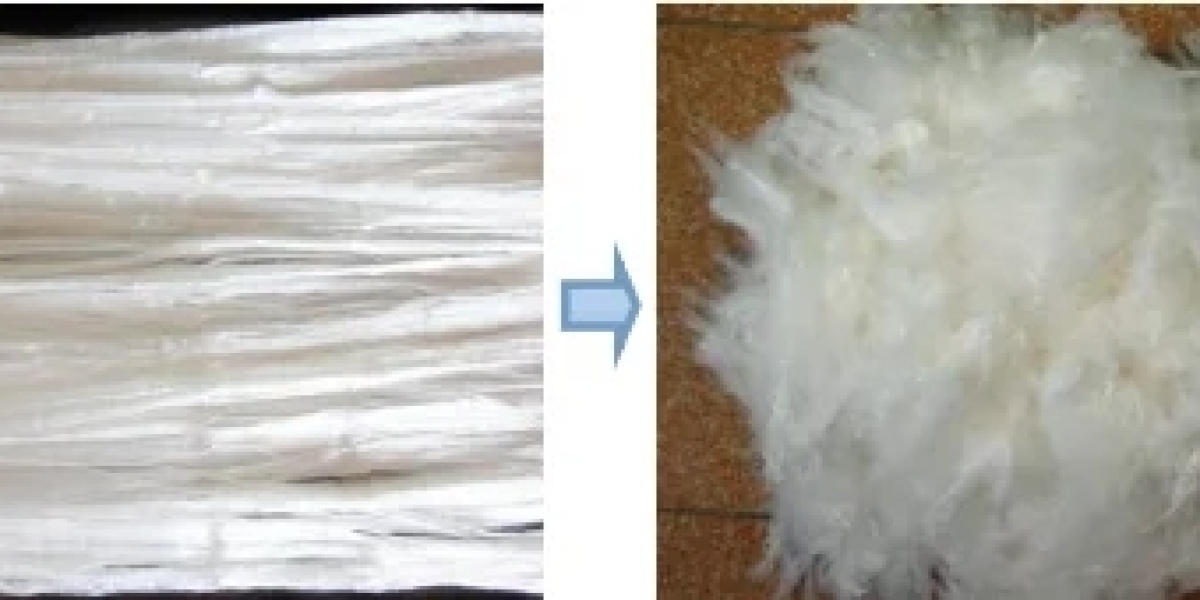
Using advanced wet spinning technology, continuous pearl fiber tows are produced. During this process, the cellulose solution containing pearl particles is transformed into long filament fibers.
4. Fiber Cutting
The continuous filaments are cut into short staple fibers, typically measuring approximately 38 mm in length, making them suitable for conventional spinning systems.
5. Yarn Spinning
The pearl staple fibers are then spun into finished yarns, either as pure pearl fiber yarn or blended with other textile fibers to achieve specific performance characteristics.
Available Yarn Counts and Blends
Pearl fiber yarn can be produced in a variety of yarn counts to meet different fabric requirements, including:
- 8S Pearl Fiber Yarn
- 16S Pearl Fiber Yarn
- 20S Pearl Fiber Yarn
- 24S Pearl Fiber Yarn
- 30S Pearl Fiber Yarn
- 40S Pearl Fiber Yarn
- 50S Pearl Fiber Yarn
- 60S Pearl Fiber Yarn
To enhance versatility, pearl fiber can also be blended with various premium fibers, such as:
Pearl Fiber / Cotton Yarn
Combines the softness and breathability of cotton with the smooth texture of pearl fiber, making it ideal for casual apparel and underwear.
Pearl Fiber / Modal Yarn
Offers excellent drape, moisture management, and comfort for premium garments and intimate wear.
Pearl Fiber / Tencel Yarn
Provides enhanced sustainability, silky softness, and outstanding skin comfort for luxury textile products.
Key Benefits of Pearl Fiber Yarn
Modern textile manufacturers choose pearl fiber yarn for several reasons:
- Soft and smooth hand feel
- Excellent moisture absorption properties
- Comfortable wearing experience
- Skin-friendly characteristics
- Natural and eco-conscious material composition
- Good dyeing performance
- Suitable for high-end apparel and home textiles
These advantages make pearl fiber an attractive choice for brands seeking innovative and sustainable textile solutions.
Typical Applications
Thanks to its versatility and comfort, pearl fiber yarn is widely used in various textile sectors:
Apparel Manufacturing
- T-shirts
- Fashion garments
- Casual wear
- Sportswear
Intimate Apparel
- Underwear
- Loungewear
- Pajamas
Baby Products
The soft texture and comfortable feel make pearl fiber suitable for baby clothing and children's garments.
Home Textiles
- Towels
- Bed sheets
- Pillowcases
- Bedding sets
Hosiery
- Socks
- Lightweight knitwear
Conclusion
Pearl fiber yarn represents an innovative combination of natural materials and modern textile technology. By incorporating nano-grade pearl powder into regenerated cellulose fibers, manufacturers can create yarns that offer both aesthetic appeal and functional performance. Available in multiple counts and blend options, pearl fiber yarn is becoming an increasingly popular choice for apparel, baby products, underwear, home textiles, and other premium textile applications.
As sustainability and comfort continue to shape consumer preferences, pearl fiber yarn provides a valuable solution for brands seeking to develop distinctive and environmentally conscious textile products.
https://www.asinyarn.com/pearl-fiber-yarn.html