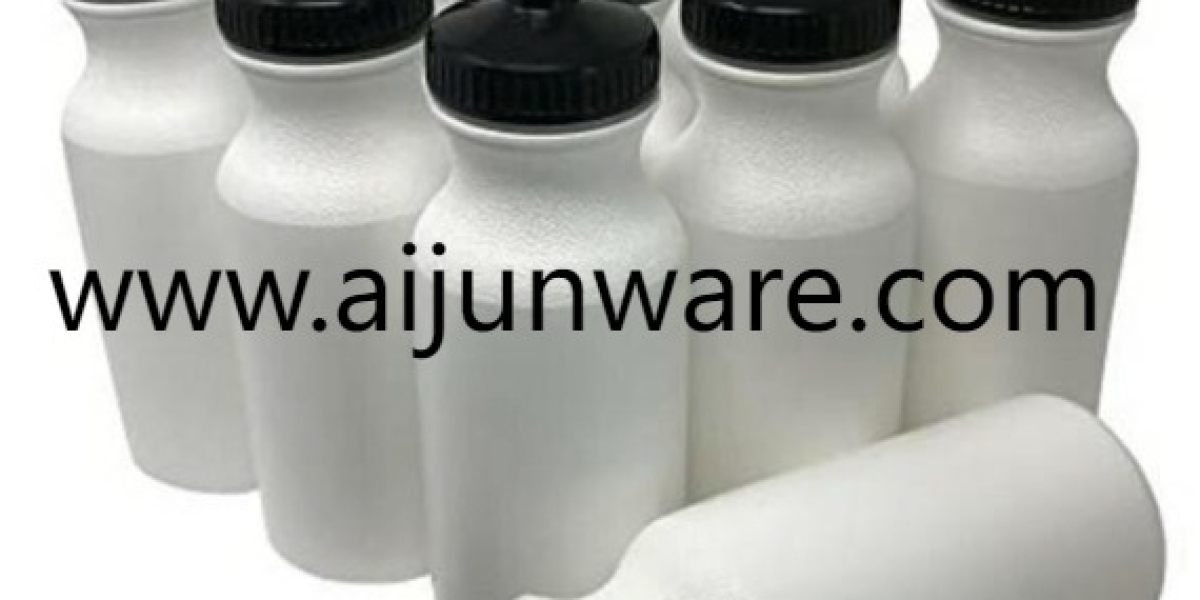

Staying hydrated during a workout does more than prevent thirst. A Sports Water Bottle that matches your movement and habit nudges you to sip more often, keeps fluids fresh, and reduces interruptions so training flows better. As group classes return and outdoor sessions become more popular under warmer skies, choosing the right bottle matters for safety and for getting the most from each session.
What makes a bottle right for training is the way it supports sipping while you move. Accessibility beats capacity when you are between sets or keeping tempo on a run. A cap that opens with one hand or a straw that lets you drink without stopping encourages frequent small intakes rather than gulping once in a while. Those frequent sips do more for performance than a single large drink taken when you are already thirsty.
Temperature matters for comfort and performance. Some people prefer cold water to cool the body during vigorous sessions. Others find room temperature drinks gentler on the stomach during high intensity intervals. Insulated sport bottles that keep water cool for longer suit long outdoor sessions, while lighter single wall designs that are easy to fill are handy for quick gym visits. Matching thermal behavior to your workout style makes drinking feel natural rather than an interruption.
Mouthpiece design shapes flow control and spill risk. Wide mouth openings make refilling and cleaning easy and accept ice for cooling. Narrow spouts and controlled valves reduce splatter when you are moving fast. Certain lids combine a sealed travel mode with a quick access mode so you can lock the bottle in a bag and open it instantly when needed. These features are small but they change how often you actually bring the bottle to hand.
Material and taste are practical considerations. Some plastics retain flavor and odors which can discourage sipping. Materials that resist odor retention and do not transfer taste help ensure water always tastes fresh. Durability matters too. A bottle that survives being knocked into gym gear or dropped on trails stays useful and reduces replacement frequency. Reusable bottles also fit broader lifestyle shifts toward reducing disposable waste during activities and travel.
Cleaning is easier when a bottle is designed for it. A disassemblable cap and a wide mouth make it simple to rinse and air dry. Busy schedules mean a bottle that fits into a quick rinse and dry routine will be used more often than one that demands special care. Hygiene becomes more relevant when group workouts or shared spaces are common and when routines require packing a bottle between locations.
Grip and ergonomics affect how comfortable a bottle feels in hand. Contoured shapes that fit the hand and textured areas that prevent slipping make a difference during sweaty exercises. A bottle that is easy to hold in motion or that clips cleanly to a belt or bag will be carried more consistently. Portability and secure attachment reduce excuses for leaving hydration behind.
Safety comes into focus as weather extremes influence outdoor plans. Heat awareness has pushed hydration into mainstream conversation and trainers emphasize steady intake before signs of overheating appear. A bottle that promotes sipping through one handed access and keeps fluids at a pleasant temperature helps lower the chance of overheating during long runs or field sessions where shade is scarce.
Practical extras add value. Measurement marks help pace intake during endurance sessions. Carry loops or simple clips let you attach the bottle to equipment or pack straps. Leak resistant lids protect phones and snacks from stray drips. These small conveniences add up when a bottle becomes an everyday tool rather than occasional kit.
Making the right choice is personal. Consider how you move, where you train, and how often you want to refill. If you bike or run, a shape that fits a cage and provides rapid access wins. If you lift and move between stations, a stable base and a one hand lid matter. If outdoor sessions are long and warm, thermal control becomes important. Matching features to routine turns a reusable bottle into a reliable hydration habit.
Beyond individual use there is a social aspect. Group training and community runs encourage sharing tips about gear choices. People swap recommendations for bottles that stay cool on long routes or that do not spill in crowded transport. That kind of word of mouth reflects how practical design spreads within active communities.
A Sports Water Bottle that supports steady sipping, easy cleaning, secure carrying, and comfortable grip improves not only hydration but also the flow of a workout. Small design choices lead to more consistent hydration habits which in turn support safer and more productive sessions. For athletes and casual exercisers seeking thoughtful sport oriented bottles and accessories consider the range available at www.aijunware.com .