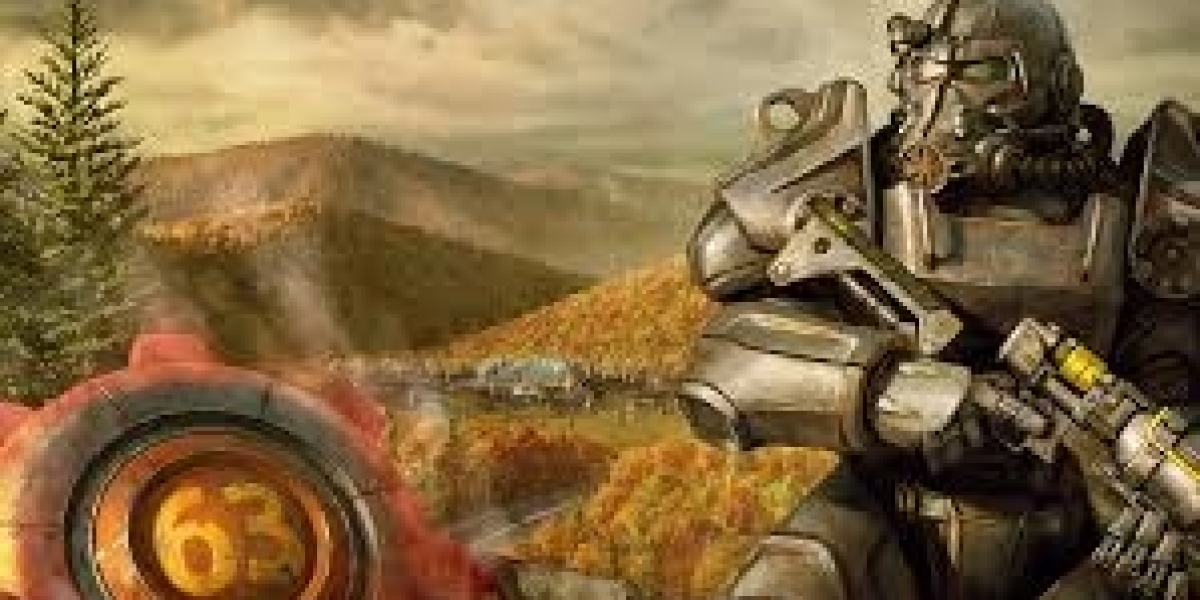

The legacy of Fallout 76 is often prematurely anchored to its infamous launch state, a period defined by technical missteps and a perceived emptiness. To focus solely on this, however, is to overlook the game's monumental and often breathtaking achievement in environmental storytelling and world-building. From the very beginning, beneath any surface-level bugs, lay a meticulously crafted and hauntingly beautiful rendition of West Virginia—a world that tells a profound and silent story of its own demise. The true core of the experience, arguably its most successful element, has always been its **environment**.
Appalachia is not merely a backdrop for action; it is the central, tragic character. As a prequel set just 25 years after the bombs, the developers faced a unique challenge: depicting a wasteland that is fresh, raw, and still echoing with the immediate consequences of the Great War. The result is a landscape of profound melancholy and eerie beauty. The **environment** itself is a narrative archive. The toxic, mining-scarred valleys of the Ash Heap scream of pre-war industrial exploitation. The overgrown, vine-choked ruins of small towns like Flatwoods and Sutton tell quiet tales of frantic evacuation and sudden ends. The Mire, a deeply irradiated swamp, pulses with a sinister, bioluminescent life that is both horrifying and captivating. Each region possesses a distinct ecological and architectural identity, making exploration a consistent reward.
This masterful world-building is achieved through a "show, don't tell" philosophy that is classic to the Fallout series, here executed on its grandest geographical scale. Without human NPCs at launch, the stories were etched into the very soil. A skeleton curled in a bathtub with a toaster, a carefully arranged circle of teddy bears around a makeshift altar, a trail of medical boxes leading to a final stand—these vignettes compose a sprawling, fragmented novel. Holotapes and terminal entries provide context, but it is the visual placement of assets that sells the tragedy. You don't just hear about the Responders' last stand; you discover their abandoned triage centers, their empty fire stations, and their final, desperate messages from overrun outposts. The **environment** is the primary narrator.
This foundational strength provided a perfect stage for the game's evolution. When human settlers and raiders returned with the "Wastelanders" update, they did not enter a generic void; they walked into a world rich with history and danger. New NPCs comment on the locations you find them in, giving the old ruins new context. The later addition of expeditions to The Pitt further highlighted this strength, contrasting the claustrophobic, industrial hell of Pittsburgh with the sprawling, almost pastoral decay of Appalachia. The world's design accommodates both the lonely archaeologist uncovering the past and the opportunistic settler navigating the present.
In the end, Fallout 76's most enduring contribution may be its world. It stands as a testament to the power of place in video games. The care invested in its rolling hills, its decaying landmarks, and its haunting atmospheric sounds creates a sense of immersion that transcends gameplay systems. Appalachia feels authentically post-apocalyptic not because of the monsters roaming it, but because of the palpable history of loss etched into every crumbling building and rusted car. It is a **environment** that invites contemplation, rewards careful observation, and ultimately sells the fantastic premise of the Fallout universe with a gritty, believable, and deeply affecting sense of place.Visit us