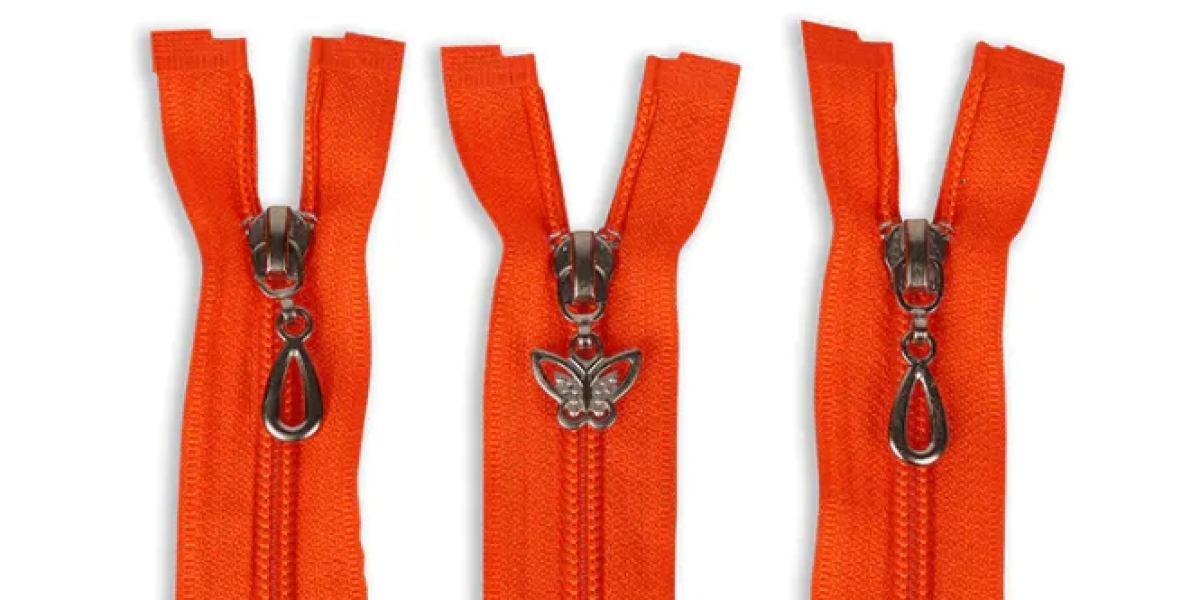

Invisible zippers are often praised for their neat finish in dresses, skirts, and tailored garments, but many sewers — beginners and experienced alike — have shared frustrations online about installing them successfully. One consistent source of confusion comes from the unique construction of these fasteners: unlike traditional zippers, an invisible nylon zipper is designed so that the coil and teeth are hidden behind the seam, with only the pull visible. You attach the zipper tape right into the seam allowance, which makes the final look sleek — but also increases the chance of mistakes when sewing.
One challenge that sewers often talk about on community forums is that the zipper doesn’t seem to lie flat or stays wavy after stitching. When sewing an invisible zipper, the fabric and zipper tape need to feed through the machine at the same rate. If the fabric stretches slightly while the zipper tape remains firm, you can end up with a puckered seam — especially common when working with lightweight fabrics like silk or rayon.
Another common complaint is that the zipper simply won’t zip smoothly after installation. A frequently shared fix is to examine whether any stitches accidentally caught in the zipper teeth, or if the stitching line is slightly off, causing the slider to get stuck. Many experienced hobbyists suggest unpicking and redoing the stitch line to avoid catching the teeth.
Despite these frustrations, sewers emphasize that practice, careful pinning or basting of the zipper tape, and using the proper invisible zipper foot can make a huge difference. It might feel challenging at first, but as many community members point out, ironing the zipper flat before stitching and taking it slow often leads to better results.