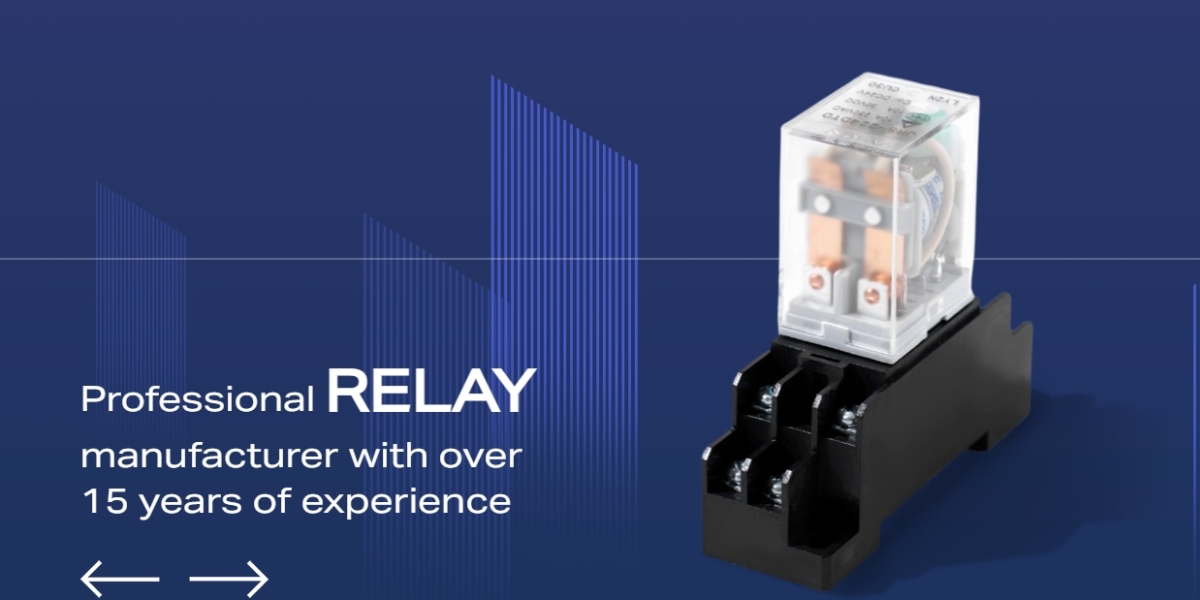

Printed circuit board mounted relays are very common in automotive and industrial control circuits. People often install an Automotive PCB Relay on a board to switch loads like lights, motors, or accessory feeds. Unlike simple mechanical switches, these relays add electrical isolation between control logic and high-current circuits. However, many electronics hobbyists and engineers repeatedly ask: why does a relay sometimes fail even when it clicks?
A common troubleshooting step when diagnosing relay problems is to verify coil voltage and contact behavior with a multimeter. If an automotive relay clicks but does not deliver voltage through the contacts, it could indicate worn contacts or PCB trace issues, not just a bad relay. In some forum threads, users reported reading an unexpected 6 V on one side of a relay coil, which usually shows something wrong in how the test was performed or with the control circuitry. Testing relay coils across both pins simultaneously usually gives a more accurate view of whether the coil is energized properly.
Another frequent question is about longevity. Mechanical relays are expected to switch a number of cycles before wearing out, and although they often operate reliably for many cycles, they do have a finite life. Lifetime depends on load current, frequency of switching, and environmental factors such as temperature and vibration. Collecting data from representative circuits and understanding expected load profiles can help design boards that avoid premature failures.
Finally, assembly quality around the relay matters. Poor solder joints, contamination on the board, or even incorrect orientation of the relay footprint can lead to intermittent performance. Proper board layout and careful inspection are essential when deploying Automotive PCB Relay modules in vehicles or other demanding environments.