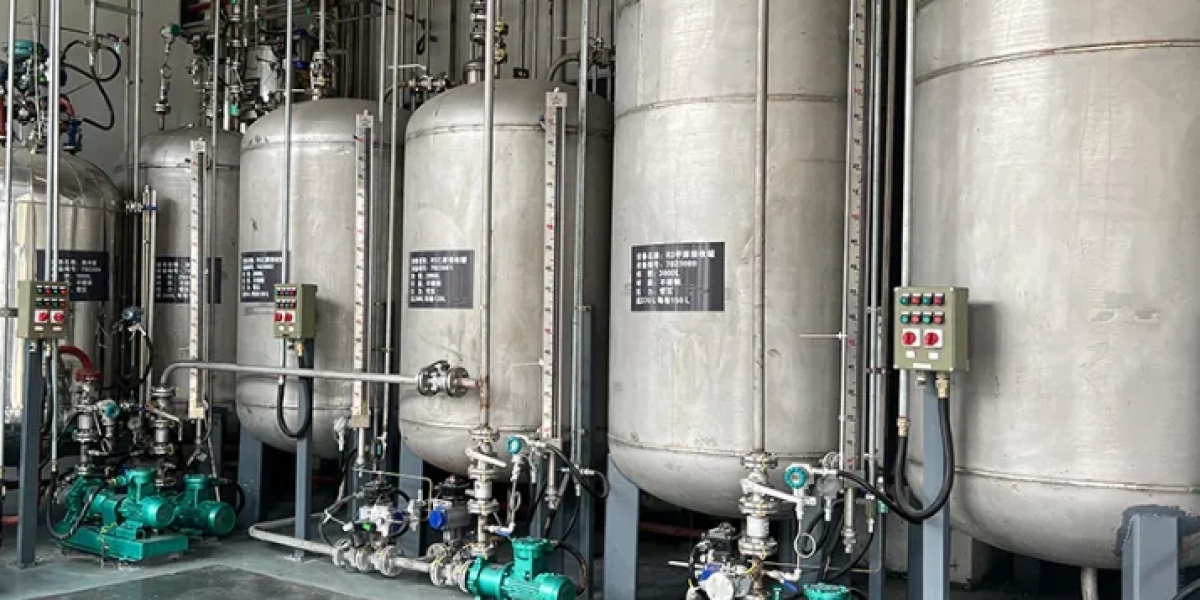

When industries such as dairy, beverage, and pharmaceuticals select a storage solution, they don’t just pick a container — they worry about Hygienic Storage Tank design in terms of cleaning, contamination risk, and long-term operational safety. One common concern users share on industry forums and Q&A sites is how design choices influence the ability to clean a tank thoroughly and avoid hidden residue that can lead to bacteria growth. People often ask: “Why does the tank interior shape matter for hygiene?” and “Can poor design lead to hygiene failures?”
A key point experienced operators emphasize is that every tank should be engineered to self-drain and eliminate “dead legs” where fluid stagnates and microbes can thrive. Surfaces that do not drain fully after a cleaning cycle can leave residues that compromise product quality and safety. This concern is raised repeatedly in professional discussions about hygiene maintenance in processing facilities.
Another hot topic is the surface finish of the Stainless Steel Storage Tank itself. According to hygienic design guidelines, the interior surface must have extremely low roughness — usually less than a sub-micron level — to prevent bacteria from attaching to pits or scratches. Poor surface quality is often mentioned in user groups as a reason for investing additional cleaning time or facing inspection non-compliance.
Operators also share practical experiences with routine cleaning regimes. For example, many rely on automated cleaning systems like Clean-in-Place (CIP) that use high-temperature chemicals or steam to sanitize tanks without manual entry. However, if the tank design includes blind spots or crevices, even CIP systems can miss certain surfaces. Therefore, design engineers stress that sanitary fittings, strategically placed spray balls, and smooth welds are not just “nice to have” — they are fundamental requirements for efficient hygiene performance in sensitive production environments.
In summary, choosing the right Hygienic Storage Tank goes beyond materials — it’s about thoughtful design that supports complete drainage, minimizes contamination risk, and makes cleaning procedures practical. Users asking about sanitation in forums often point out that overlooking these details leads to costly downtime, additional labor, and product quality challenges.