
In the textile industry, understanding the durability and performance of fabrics is crucial for ensuring product quality and consumer satisfaction. Among various tests conducted to assess fabric properties, bending damage testing stands out as a vital procedure, particularly for materials used in applications where frequent bending is expected. This advanced tester is designed to evaluate the durability and flexibility of textile materials under repeated bending conditions, ensuring that fabrics meet the rigorous standards required for various applications. With its precision engineering and user-friendly interface, the textile bending damage tester from Ningbo Textile Instrument Factory has become a staple in quality control processes for textile manufacturers worldwide.
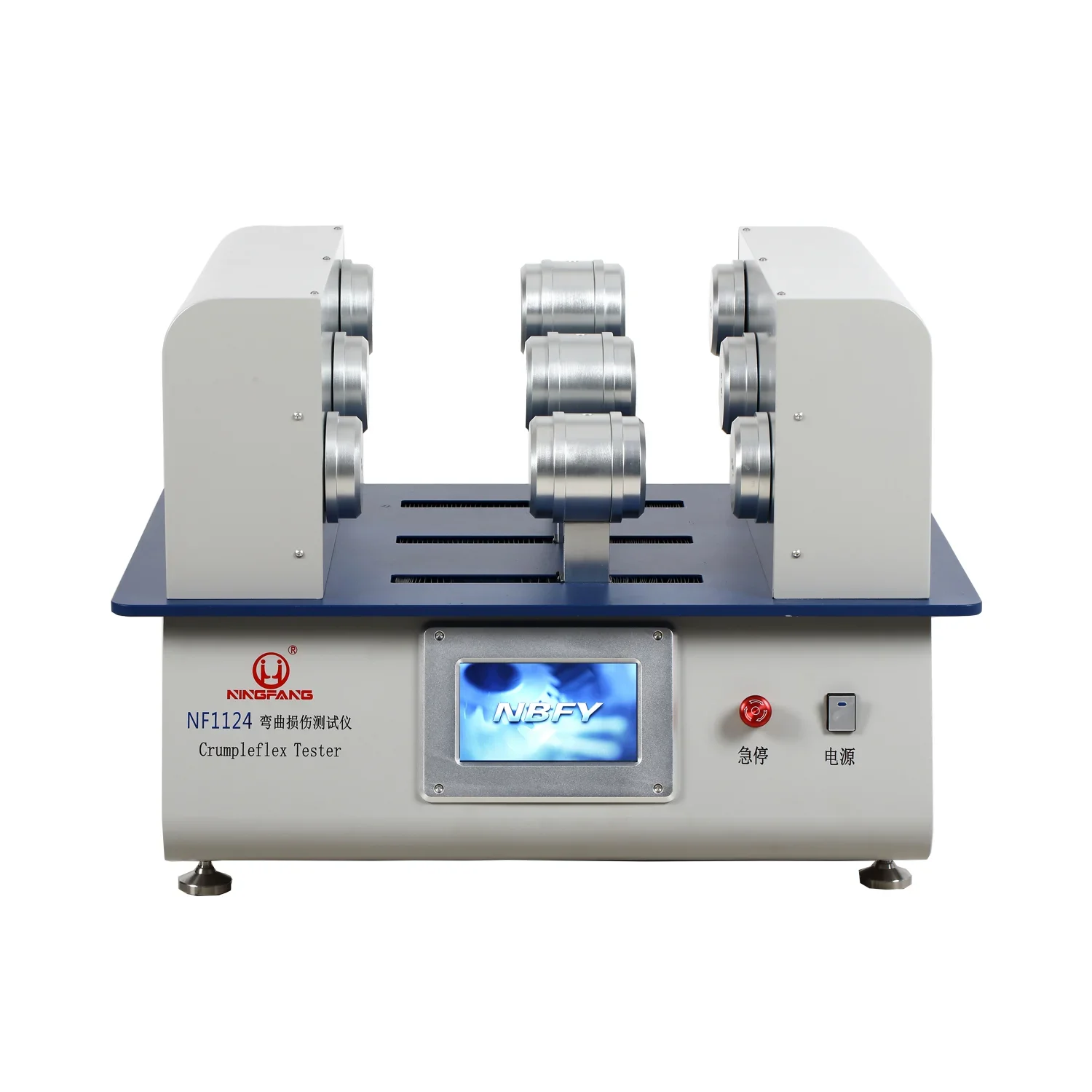
Core Functionality: Simulating Real-World Conditions
The textile bending damage tester is engineered to simulate the wear and tear that fabrics undergo due to repeated bending. This is particularly relevant for outer layer fabrics of thermal insulation clothing, which are subjected to constant flexing as users move. By replicating these conditions in a controlled environment, the tester provides reliable data on fabric durability and composite performance.
Key Selling Points of the Textile Bending Damage Tester
1. Advanced Simulation Capabilities
Highlight: This instrument simulates the fabric damage caused by multiple bending of the outer layer fabric of thermal insulation clothing, ensuring test results closely mirror real-world conditions.
The textile bending damage tester is equipped with precision mechanisms that replicate the bending motion of fabrics, mimicking the stress and strain they endure in practical applications. This advanced simulation capability allows manufacturers to accurately assess the bending strength and durability of their fabrics, ensuring they meet the rigorous demands of specific end-use applications.
2. Comprehensive Composite Performance Testing
Highlight: Tests not only the bending strength but also evaluates the composite performance of the fabric, including its resistance to tearing, abrasion, and other forms of damage.
Beyond measuring bending strength, the tester goes a step further by evaluating the overall composite performance of the fabric. This includes assessing its resistance to tearing, abrasion, and other forms of damage that may arise due to repeated bending. This comprehensive testing approach provides a holistic view of fabric durability, enabling manufacturers to make informed decisions regarding material selection and design improvements.
3. User-Friendly Operation and Data Analysis
The textile bending damage tester is designed with user-friendliness in mind. Its intuitive interface and straightforward controls make it accessible to operators of all skill levels. Additionally, the instrument is equipped with advanced data acquisition and analysis software that automatically records and processes test results. This feature simplifies data handling, allowing for quick and accurate interpretation of test outcomes.
4. Versatility Across Textile Types
The tester's versatility is another standout feature. It can be used to evaluate a wide range of textile types, including woven, knitted, and nonwoven fabrics. This versatility makes it an invaluable tool for manufacturers working with diverse materials and end-use applications.
5. Cost-Effective Durability Testing
By enabling manufacturers to test fabrics under controlled conditions, the textile bending damage tester helps reduce the need for costly field trials and real-world testing. This, in turn, leads to significant cost savings and accelerated product development timelines.
Practical Applications
The textile bending damage tester finds application in various industries, including outdoor apparel, automotive, aerospace, and military. For instance, in the outdoor apparel sector, it is used to ensure that thermal insulation clothing maintains its protective properties even after prolonged use and exposure to harsh conditions. Similarly, in the automotive industry, the tester helps assess the durability of seat covers and other interior fabrics subjected to frequent bending and stretching.
Conclusion
The textile bending damage tester is a pivotal instrument in the quest for high-performance, durable textiles. Its advanced simulation capabilities, comprehensive composite performance testing, user-friendly operation, versatility across textile types, and cost-effective durability testing make it an indispensable tool for manufacturers across various industries. By embracing this technology, textile producers can enhance their product quality, reduce development costs, and ultimately, deliver superior fabrics that meet the needs of demanding applications.
In conclusion, the Ningbo Textile Instrument Factory textile bending damage tester represents a significant advancement in textile testing, setting new standards for efficiency, accuracy, and reliability in assessing fabric bending strength and durability.