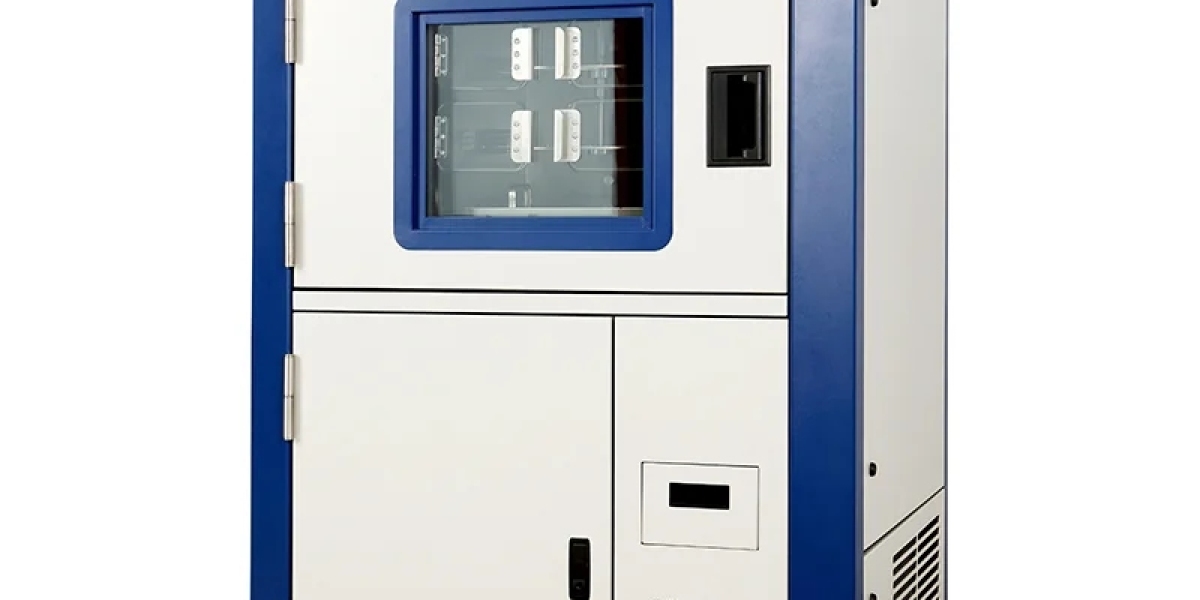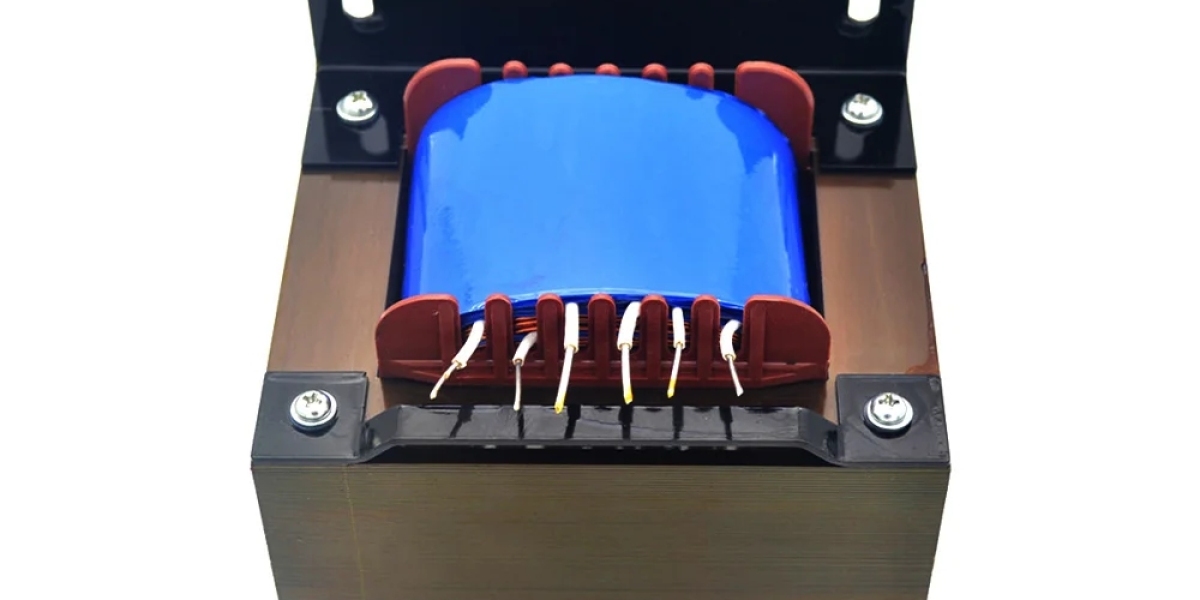

Substation transformers play a decisive role in modern power networks, ensuring that electricity generated at power plants is safely and efficiently transformed to usable voltage levels for industrial facilities, commercial zones, and households. As global energy demand continues to rise—and renewable energy integration accelerates—the technical performance, reliability, and adaptability of these transformers have become more critical than ever.
As a long-established manufacturer in the power equipment industry, Tianrui provides high-performance substation transformer solutions engineered to withstand complex grid environments while delivering stable, long-term operation.
1. The Strategic Role of Substation Transformers in Power Systems
Substation transformers are the central components of electrical substations. They adjust voltage levels to ensure safe transmission, minimize energy losses, and maintain efficient power distribution. Their essential functions include:
● Voltage Transformation for Safe Transmission
High-voltage transmission reduces energy loss over long distances. Substation transformers convert these high voltages down to medium or low levels suitable for industrial and residential use.
● Grid Stability and Load Balancing
By controlling voltage levels and supporting reactive power management, transformers help stabilize the grid, reduce fluctuations, and maintain equipment safety.
● Integration of Renewable Energy
With wind and solar power increasingly installed in remote regions, transformers serve as gateways that connect variable energy sources to the main grid.
● Fault Isolation and Reliability Enhancement
Transformers help segment the network, allowing more precise control of fault areas and minimizing outage impact.
2. Engineering Excellence: Internal Structure and Key Components
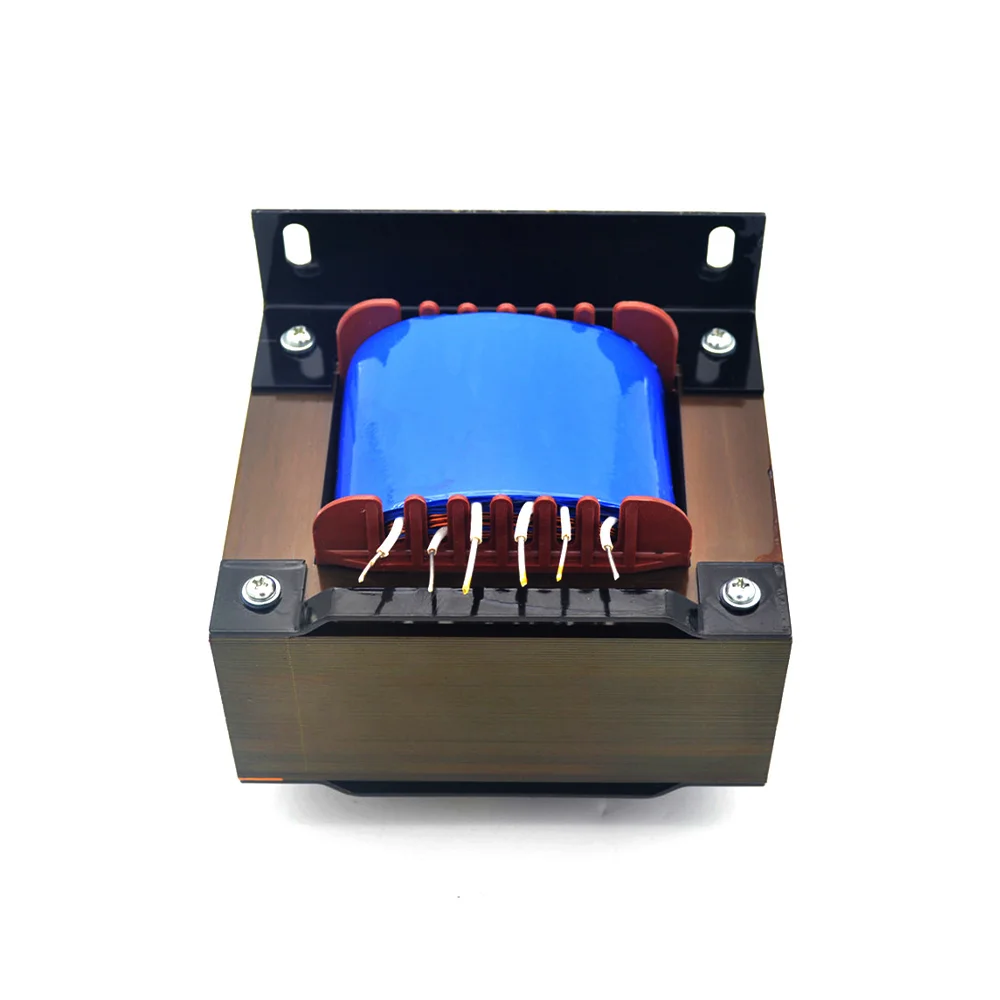
High-performance substation transformers rely on precision engineering and rigorous material selection. A typical Tianrui substation transformer includes:
● High-Grade Core Steel
Low-loss silicon steel sheets reduce magnetic hysteresis loss and increase overall efficiency.
● Advanced Winding Technology
Copper or high-conductivity aluminum windings are arranged to minimize resistance, withstand high temperatures, and maintain dielectric integrity.
● Robust Insulation Systems
Paper-oil insulation, epoxy resin, and special coatings ensure stable dielectric performance even under overload or surge conditions.
● Smart Monitoring Compatibility
Modern Tianrui transformers support intelligent monitoring devices for:
temperature tracking
oil level and pressure monitoring
partial discharge detection
load analysis
This moves the transformer toward predictive, data-driven maintenance.
3. Technology Innovations Driving High-Performance Operation
To meet the demanding requirements of global power grids, Tianrui integrates multiple advanced manufacturing and testing techniques:
● Low-Loss, High-Efficiency Design
Precise internal geometries optimize magnetic flux, improving efficiency and reducing long-term operational costs.
● Vacuum Oil Filling & Degassing
This process enhances insulation quality and prolongs dielectric stability.
● Shock- and Short-Circuit-Resistant Structure
Transformers must withstand electromagnetic forces generated during sudden faults. Tianrui’s structural reinforcements ensure deformation resistance under extreme grid conditions.
● Noise Reduction Engineering
Specialized joint design, vibration-damping pads, and optimized core structure help reduce audible noise—a growing requirement in urban installations.
4. Key Application Fields of Substation Transformers
Substation transformers are indispensable across a wide spectrum of industries and grid configurations:
● Utility Power Grids
Distribution substations, step-down stations, regional grids.
● Renewable Energy Stations
Wind farms, photovoltaic plants, battery energy storage systems.
● Industrial and Manufacturing Zones
High-load equipment, furnaces, rolling mills, continuous production lines.
● Commercial Complexes
Data centers, hospitals, airports, large transportation hubs.
● Infrastructure and Municipal Networks
Urban substations, metro systems, public lighting grids.
Each environment demands specific transformer features—from overload capability to environmental robustness—making customized engineering essential.
5. Why Tianrui Substation Transformers Stand Out
● Proven Manufacturing Strength
Decades of engineering experience and advanced production lines ensure precise, consistent manufacturing quality.
● International Standards Compliance
Including IEC, ANSI, and GB standards.
● Tailored Engineering Solutions
Customizable for renewable projects, heavy industry, data centers, and municipal utilities.
● Rigorous Quality Control
Full-cycle testing from raw material inspection to factory acceptance testing.
● Long-Term Operation Stability
Designed for reliability, low loss, low noise, and reduced maintenance requirements.
Conclusion: Building a Reliable Grid Starts with High-Quality Transformers
A substation transformer is far more than a passive electrical device—it is a critical component that shapes the stability, efficiency, and long-term resilience of a power network. With the global energy landscape evolving toward digitalization and renewable integration, the demands placed on transformers continue to grow.
Tianrui remains committed to delivering robust, high-efficiency transformer solutions that meet the needs of modern grids. Through technological expertise, engineering innovation, and strict quality control, Tianrui empowers utilities and industries worldwide to build safer, smarter, and more reliable power systems.