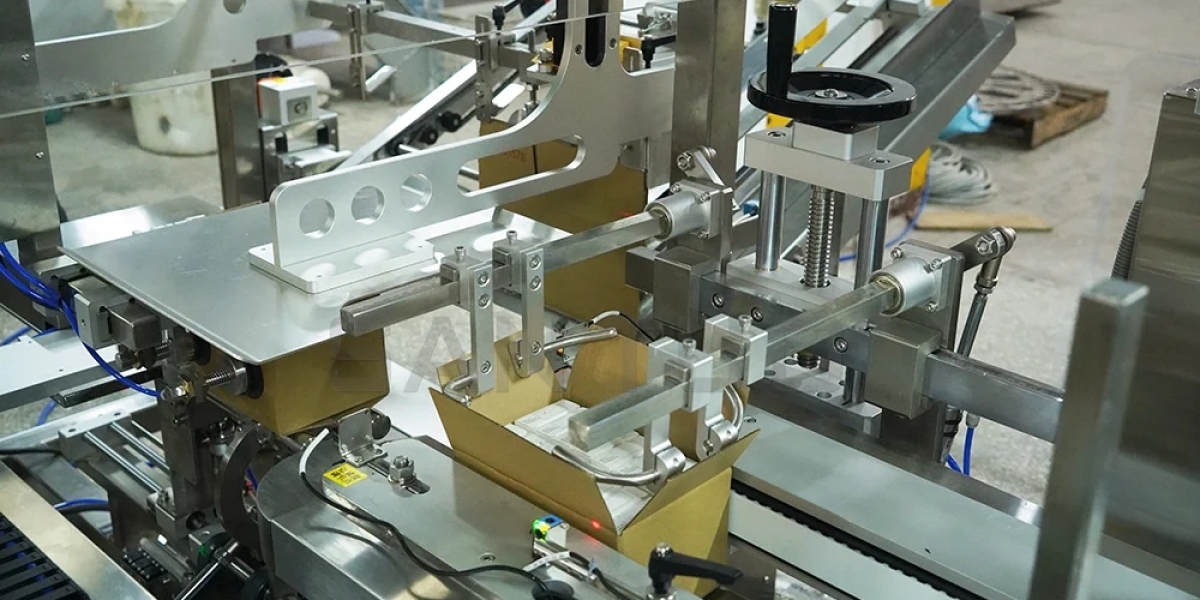

In today’s manufacturing and distribution landscape, end-of-line operations play a strategic role in both cost control and product integrity. As order volumes increase and packaging formats diversify, many businesses find that manual carton sealing—once sufficient—can become a source of inefficiency, inconsistency, and long-term operational strain. Understanding how automated sealing fits into a modern workflow can help companies build packaging systems that scale with demand rather than restrict it.
Where End-of-Line Bottlenecks Come From
Many production managers assume their biggest bottlenecks come from upstream processes such as assembly or labeling. In reality, the final sealing stage is often the hidden constraint. Common issues include:
Irregular sealing quality caused by operator fatigue
Tape waste due to uneven application
Throughput mismatch where sealing speed fails to keep up with upstream lines
High manual labor involvement, especially in multi-SKU or high-mix production
Increased damage rates when cartons are not sealed uniformly
These issues compound over time, impacting freight integrity, customer satisfaction, and cost per unit.
How Automated Sealing Improves Consistency
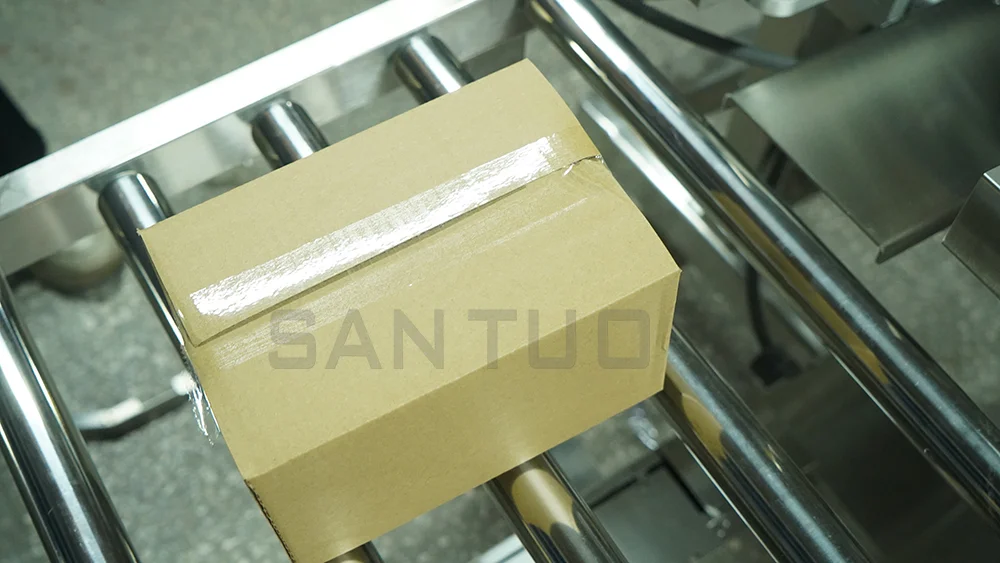
Automated sealing systems are engineered to ensure uniform tape application on every carton, independent of operator skill level. Consistency matters because even a small deviation in sealing pressure or position can weaken structural stability during transport.
For companies expanding into e-commerce, cold-chain distribution, or bulk shipping, consistent sealing is a key factor in meeting carrier requirements and reducing claims-related losses.
The Role of Automation in Labor Optimization
Labor challenges remain a major concern across many industries. Automating carton sealing does not eliminate jobs; instead, it reallocates labor to higher-value tasks such as QC inspection, changeover management, and workflow supervision. The result is a shift from repetitive manual work toward more productive roles that support continuous improvement.
Additionally, automation allows businesses to stabilize throughput even during peak seasons, when temporary staff may be harder to source or train.
Integrating Automation Into a Larger Packaging Workflow
Many facilities begin with a single automated sealer but later integrate multiple systems—conveyors, erectors, checkweighers, and palletizers—into a unified packaging line. One of the advantages of starting with sealing automation is the ease of future expansion.
For readers exploring end-to-end packaging upgrades, you may find reference value in examining integrated systems such as the Intelligent Carton Packaging Line
Studying how these systems combine sealing, coding, detection, and palletizing can help business owners evaluate their long-term automation roadmap.
Choosing the Right Sealing Approach for Your Facility
Carton sealing solutions vary depending on the mix of carton sizes, packaging volumes, and production layout. Business owners should evaluate the following factors:
SKU diversity and whether carton sizes shift frequently
Production speed goals, both current and forecasted
Line layout constraints, including conveyor height and operational space
Tape specifications and cost-per-seal considerations
Desired level of integration with upstream and downstream equipment
A clear assessment of these variables allows teams to determine whether a semi-automatic solution is sufficient or whether a fully synchronized automated line delivers stronger long-term ROI.
Building a Resilient End-of-Line Strategy
The adoption of automated sealing is not simply a mechanical upgrade—it is a strategic step toward building a resilient packaging system capable of supporting growth. Reliable sealing reduces rework, supports higher output, minimizes tape waste, and helps protect products throughout the logistics chain.
For business owners seeking ways to enhance operational stability without unnecessary capital expenditure, optimizing the final sealing stage often provides one of the highest returns relative to investment cost.
https://www.santuomachine.com/why-optimizing-your-end-of-line-packaging-matters-more-than-ever.html