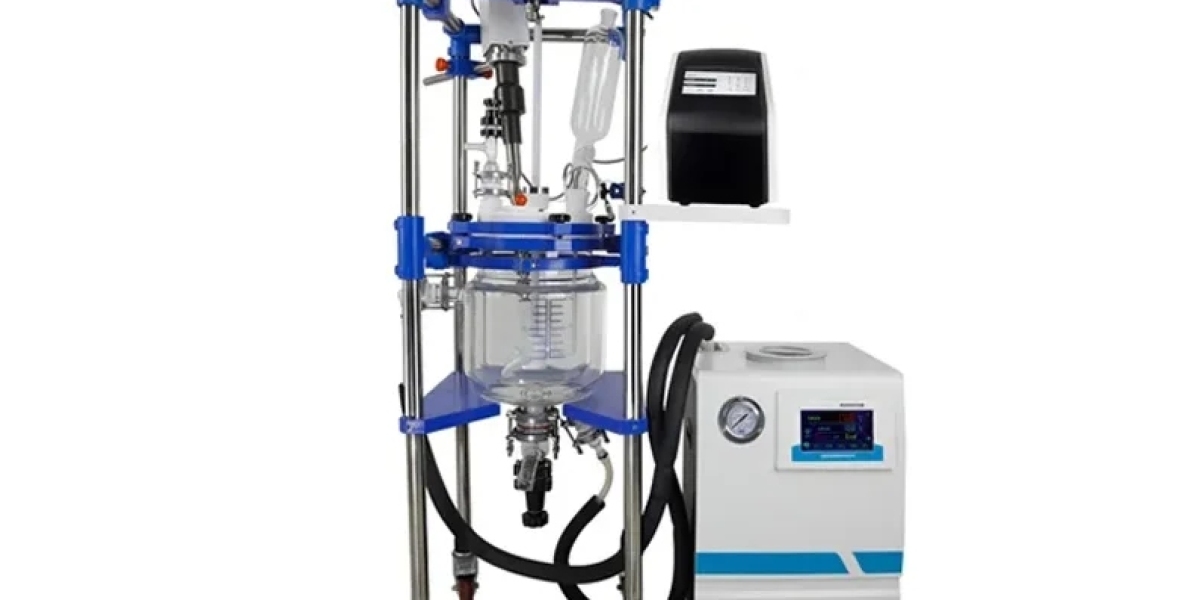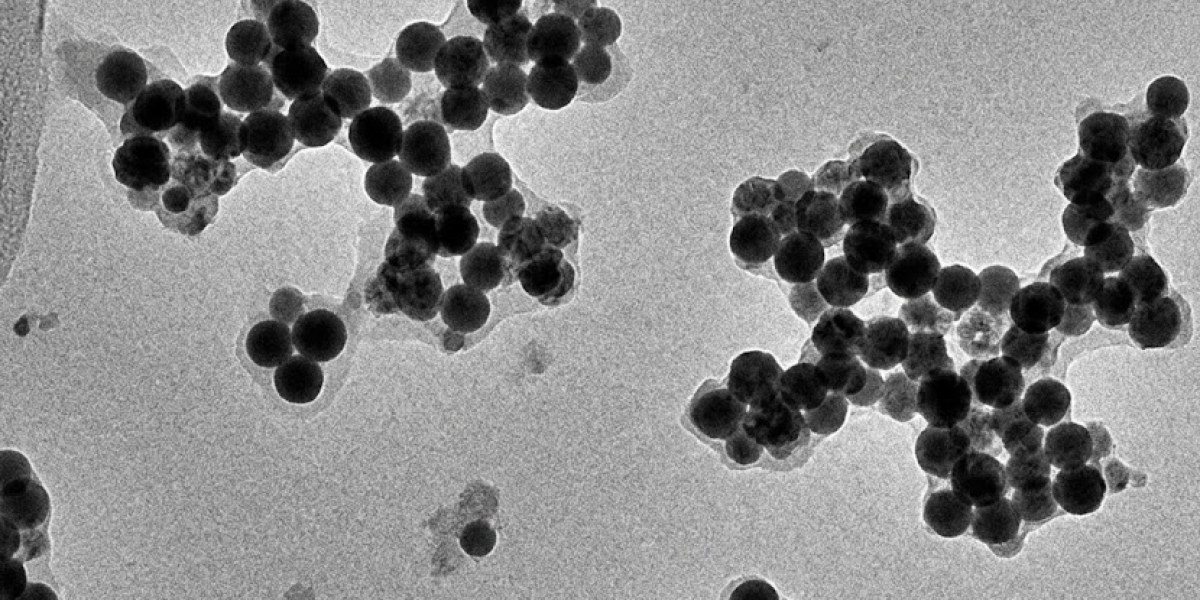

The rapid growth of RNA-based medicines has transformed the pharmaceutical industry over the past few years. From mRNA vaccines and siRNA therapies to CRISPR gene editing and personalized medicine, lipid nanoparticles (LNPs) have become the preferred non-viral delivery platform for transporting fragile nucleic acids into target cells.
As more RNA therapeutics enter clinical development and commercial production, manufacturers face increasing pressure to produce highly uniform, reproducible nanoparticles at scale. This challenge has made custom LNP encapsulation equipment one of the most important technologies in modern biopharmaceutical manufacturing.
Rather than simply mixing lipids and nucleic acids, today's advanced encapsulation systems provide precise control over every stage of nanoparticle formation, ensuring consistent particle size, high encapsulation efficiency, and reliable batch-to-batch performance.
With extensive expertise in nanoparticle engineering, XGen Bio develops customized LNP encapsulation solutions that help researchers and pharmaceutical manufacturers accelerate development while meeting stringent quality requirements.
Why Lipid Nanoparticles Have Become the Industry Standard
The remarkable success of mRNA vaccines highlighted the enormous potential of lipid nanoparticle technology. Since then, LNPs have become an essential delivery platform for a growing range of therapeutic applications.
Today, lipid nanoparticles are widely used in:
- mRNA vaccines
- siRNA therapeutics
- CRISPR gene editing
- Protein replacement therapies
- Cancer immunotherapy
- Rare disease treatments
- Personalized medicine
- Next-generation nucleic acid delivery
Unlike viral vectors, LNPs offer excellent design flexibility, lower immunogenicity, and scalable manufacturing potential, making them an attractive choice for both research and commercial applications.
The Challenge of Manufacturing Stable Lipid Nanoparticles
Although lipid nanoparticles offer significant advantages, producing them consistently is technically demanding.
Nanoparticle formation is influenced by numerous variables, including:
- Lipid composition
- Flow rate ratio
- Mixing speed
- Temperature
- Solvent selection
- RNA concentration
- Buffer formulation
Even minor process deviations can alter:
- Particle size distribution
- Polydispersity index (PDI)
- Encapsulation efficiency
- Surface charge
- Long-term stability
- Biological performance
Traditional bulk mixing methods often struggle to maintain the level of precision required for pharmaceutical-grade production.
For this reason, manufacturers increasingly rely on custom LNP encapsulation equipment specifically designed to deliver accurate process control and reproducible results.
Microfluidic Mixing: The Core of Modern LNP Manufacturing
One of the most significant advancements in nanoparticle production has been the widespread adoption of microfluidic technology.
Unlike conventional mixing systems, microfluidic devices allow lipid and aqueous solutions to meet within precisely engineered microscopic channels.
This highly controlled environment enables rapid self-assembly of nanoparticles while minimizing process variability.
Key advantages include:
- Uniform nanoparticle formation
- Narrow particle size distribution
- High encapsulation efficiency
- Improved formulation reproducibility
- Reduced material consumption
- Faster process optimization
The microfluidic platforms developed by XGen Bio are engineered to provide stable flow control across a wide range of operating conditions, helping researchers achieve reliable formulation performance from early development through commercial manufacturing.
Maximizing Encapsulation Efficiency
For RNA therapeutics, encapsulation efficiency directly affects manufacturing cost, therapeutic potency, and product quality.
Poor RNA loading can result in:
- Lower biological activity
- Increased raw material consumption
- Reduced production yield
- Greater regulatory challenges
Modern custom LNP encapsulation equipment addresses these issues through intelligent engineering.
Advanced systems incorporate:
- High-precision syringe pumps
- Automated flow regulation
- Digital process control
- Real-time monitoring
- Stable pressure management
These technologies help maintain optimal mixing conditions, enabling manufacturers to consistently achieve high encapsulation efficiency while minimizing valuable RNA loss.
Consistency Is Essential for Clinical Success
As RNA therapeutics progress toward commercialization, batch-to-batch consistency becomes increasingly important.
Regulatory agencies require manufacturers to demonstrate reproducible product quality throughout the entire production lifecycle.
Modern encapsulation platforms therefore emphasize:
- Automated parameter control
- Repeatable flow dynamics
- Stable nanoparticle formation
- Digital process documentation
- Comprehensive quality monitoring
Through advanced engineering and intelligent automation, XGen Bio helps pharmaceutical developers establish manufacturing processes capable of meeting demanding regulatory expectations.
Seamless Scale-Up from Research to Commercial Production
One of the greatest challenges in nanoparticle manufacturing is process scalability.
Many promising formulations perform exceptionally well in laboratory settings but become difficult to reproduce during pilot-scale or commercial production.
Changes in equipment geometry, mixing behavior, and process conditions can significantly alter nanoparticle characteristics.
A well-designed custom LNP encapsulation system minimizes these risks by maintaining consistent fluid dynamics across multiple production scales.
This enables manufacturers to:
- Accelerate process development
- Simplify technology transfer
- Reduce development costs
- Shorten commercialization timelines
- Improve manufacturing reliability
The modular platform architecture offered by XGen Bio supports smooth transitions from laboratory research to pilot production and full GMP manufacturing.
Supporting Diverse RNA Therapeutic Applications
The flexibility of lipid nanoparticle technology has expanded its role across multiple areas of modern medicine.
Current applications include:
mRNA Vaccines
Efficient encapsulation protects messenger RNA while improving intracellular delivery and protein expression.
Gene Editing
LNPs provide an effective non-viral delivery system for CRISPR-Cas components, helping improve safety and delivery efficiency.
siRNA Therapeutics
Reliable nanoparticle formulations improve gene silencing performance by protecting siRNA molecules during circulation.
Personalized Medicine
Custom nanoparticle formulations enable patient-specific therapeutic strategies with greater precision.
Because every therapeutic program presents unique formulation challenges, XGen Bio develops customized encapsulation equipment capable of accommodating diverse lipid compositions, RNA payloads, and production requirements.
Pharmaceutical Manufacturing Requires More Than Precision
Technical performance alone is no longer sufficient.
Modern pharmaceutical equipment must also support regulatory compliance and manufacturing reliability.
Advanced GMP-compatible encapsulation systems typically include:
- Closed processing systems
- Electronic data recording
- Process traceability
- Automated cleaning procedures
- Contamination control
- Validation-friendly design
These capabilities simplify qualification while improving long-term manufacturing consistency.
XGen Bio incorporates pharmaceutical engineering principles throughout equipment development, helping customers establish robust manufacturing platforms ready for clinical and commercial production.
Why Choose XGen Bio?
Selecting the right equipment partner can significantly influence the success of an RNA therapeutic program.
Beyond supplying equipment, XGen Bio provides technical expertise that helps customers optimize nanoparticle manufacturing from initial formulation development through commercial production.
Key advantages include:
- Advanced microfluidic engineering
- Customized equipment solutions
- Excellent process reproducibility
- Flexible scale-up capability
- High encapsulation efficiency
- Intelligent automation systems
- GMP-oriented equipment design
- Professional technical support
By combining engineering innovation with deep expertise in nanoparticle science, XGen Bio helps biotechnology companies improve manufacturing efficiency while accelerating the development of next-generation RNA medicines.
Looking Ahead
The rapid expansion of RNA therapeutics is reshaping the future of medicine. As new vaccines, gene therapies, and precision medicines continue to emerge, the demand for highly reliable lipid nanoparticle manufacturing technologies will only continue to grow.
Custom LNP encapsulation equipment has become an essential component of this evolution, providing the precision, scalability, and process consistency required for successful pharmaceutical manufacturing.
Through continuous innovation in microfluidic technology, intelligent process control, and customizable system design, XGen Bio remains committed to supporting researchers and manufacturers worldwide with advanced LNP encapsulation solutions that help bring safer, more effective RNA therapies from the laboratory to patients around the globe.