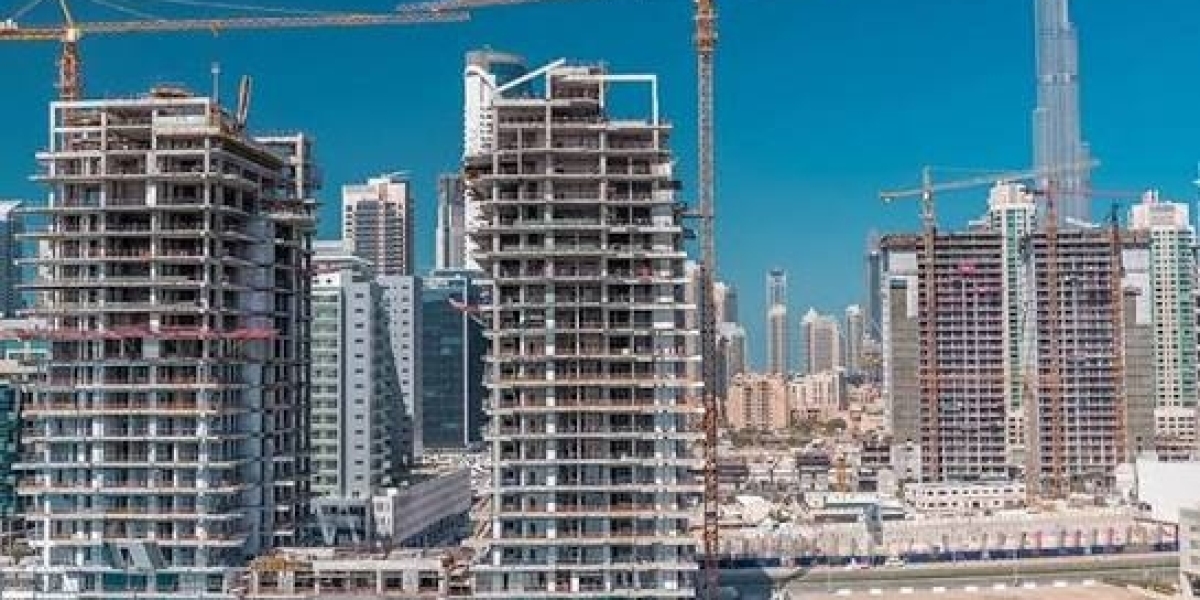

Dubai attracts thousands of buyers every year who want to own a home or grow their money through real estate. Many of them choose off-plan property because it costs less upfront and comes with flexible payment plans. This guide explains the process in plain language, so you know exactly what to expect before you sign anything.
What Does "Off-Plan Property" Mean?
Off-plan property is a unit you buy before construction finishes, sometimes before it even starts. You buy directly from the developer, often at launch prices that rise once the building nears completion. This approach differs from buying a ready home, where you inspect a finished unit and move in right away.
Why Developers Sell Off-Plan Units
Developers need funds to build. Selling units early gives them working capital, and it gives buyers a lower entry price. Everyone benefits when the project goes as planned.
Why Buyers Choose Off-Plan Property in Dubai
People choose this route for a few clear reasons.
Lower Purchase Price
Off-plan units usually cost less per square foot than finished ones in the same area. Early buyers often gain from capital appreciation once the project is complete.
Flexible Payment Plans
Instead of paying the full price at once, you pay in stages tied to construction progress. Some developers even offer post-handover payment plans, so you keep paying after you receive the keys.
Strong Rental Yield Potential
Dubai property continues to draw tenants from across the world. Investors who buy in the right community can expect solid rental yield once the building is ready and occupied.
Understanding the Risks Before You Buy
No investment is risk-free, and off-plan property is no exception. A trustworthy guide must mention the downsides, not just the benefits.
Construction Delays
Projects can take longer than promised. Always check the developer's delivery history before you commit.
Developer Default
In rare cases, a developer runs out of funds. This is why Dubai requires an escrow account for every registered project, so your payments go toward construction, not general company expenses.
Market Value Changes
Prices can shift before handover. Research the community and compare similar Dubai property prices to understand realistic expectations.
The Off-Plan Buying Process, Step by Step
This section covers what actually happens once you decide to buy.
Choose a Verified Project
Start with verified property listings from a licensed developer or agency. Verified property listings confirm the project is registered with the Dubai Land Department (DLD), which protects you from fraud.
Pay the Reservation Fee
You pay a small booking amount to hold the unit while paperwork is prepared.
Sign the Sale and Purchase Agreement (SPA)
The SPA lists the price, payment schedule, unit details, and handover date. Read it carefully or ask a real estate lawyer to review it.
Complete Oqood Registration
Oqood is the initial registration of your off-plan unit with the DLD. It confirms you as the legal buyer during construction.
Follow the Payment Schedule
You pay installments as construction milestones are reached, following the plan agreed in your SPA.
Common Payment Structures
60/40 plan: 60% during construction, 40% on handover
Post-handover plan: a portion paid after you move in
1% monthly plan: small, steady monthly payments
Inspect the Unit (Snagging)
Before handover, inspect the unit for defects. This step protects your investment and ensures the finish matches what was promised.
Receive the Title Deed
Once handover is complete and all payments are made, the DLD issues your title deed. This document proves full ownership.
Legal Protections for Buyers
Dubai has built a regulatory system to protect real estate buyers, and understanding it builds confidence in your purchase.
RERA and the Dubai Land Department
RERA (Real Estate Regulatory Agency) oversees developers and enforces rules under DLD supervision. Every legitimate project must be registered before it can be sold.
Escrow Law Protection
Escrow accounts hold your payments until the developer meets construction milestones. This law significantly reduces the risk of losing your money to project failure.
Foreign Ownership Rules
Non-UAE residents can buy Dubai property in designated freehold areas, including popular communities like Dubai Marina, Downtown Dubai, and Business Bay.
Off-Plan vs. Ready Property: A Quick Comparison
Factor | Off-Plan | Ready Property |
Price | Lower entry cost | Higher upfront cost |
Payment | Staged over time | Full or mortgage-based |
Risk | Construction and timeline risk | Minimal, unit is finished |
Rental Income | Starts after handover | Starts immediately |
Choosing the Right Developer
Look for developers with a strong delivery record and transparent communication. Check RERA's project status page, read reviews from past buyers, and confirm the project appears in verified property listings before paying any deposit.
Frequently Asked Questions
Is off-plan property a good investment in Dubai right now?
Yes, for many buyers. Off-plan transactions made up a large share of total sales recently, showing strong market confidence, though you should always research the specific project and developer.
What happens if the developer delays handover?
Delays happen sometimes. Your SPA should state penalty clauses or compensation terms for late handover, so read this section carefully before signing.
Can I sell my off-plan unit before handover?
Yes, this is called an assignment sale. You transfer your rights to a new buyer, usually after paying a set percentage of the price, subject to developer approval.
Do I need UAE residency to buy off-plan property?
No. Foreign nationals can buy in freehold areas without holding UAE residency, though owning property may help you qualify for a residency visa.
How much deposit do I need to reserve a unit?
Most developers ask for a reservation fee between 5% and 10% of the purchase price, though this varies by project and developer.
Final Thoughts
Buying off-plan property in Dubai offers real advantages, including lower prices, flexible payments, and long-term growth potential. Success depends on choosing a registered project, understanding your payment schedule, and working only with verified property listings from licensed sources. Take your time, ask questions, and read every document before you commit your money.