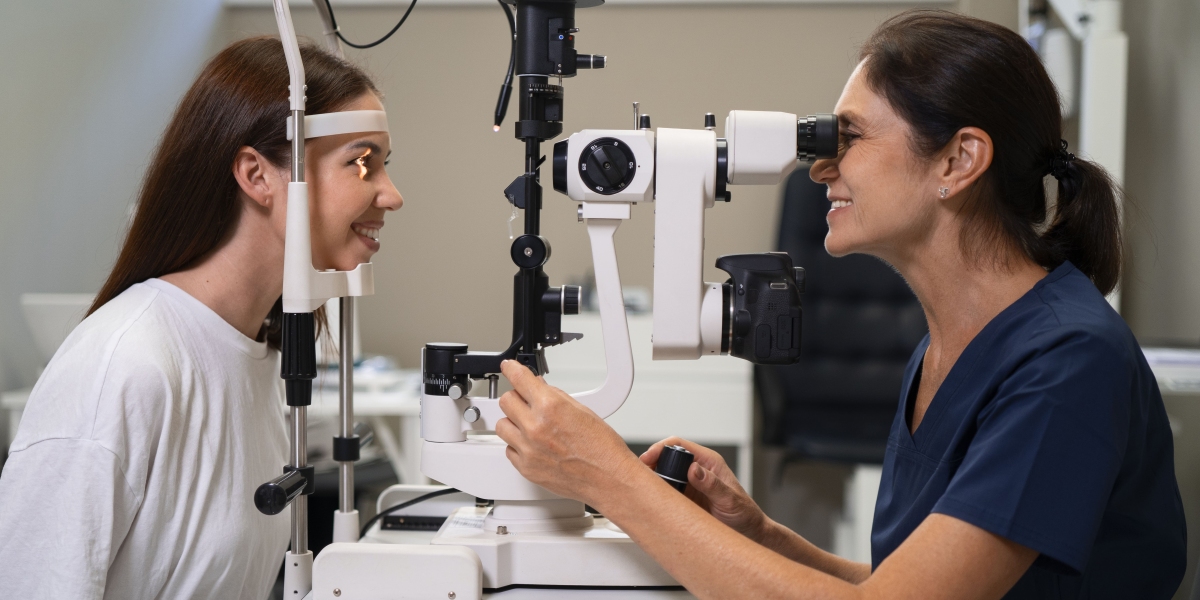

Modern vision testing equipment has become an important part of efficient eye care practices. Eye clinics, hospitals, optical stores, and diagnostic centers increasingly rely on advanced systems to obtain accurate measurements, improve examination speed, and manage growing patient volumes. However, the cost of such equipment can vary considerably depending on its technology, capabilities, design, and support services.
Understanding what influences equipment cost is essential before making an investment. A lower-priced system may provide basic functionality, while a more advanced model may include automated alignment, faster measurements, integrated measurement capabilities, enhanced software, and improved connectivity. Therefore, comparing equipment solely by purchase price does not always provide an accurate picture of its overall value.
The right purchasing decision should consider clinical requirements, expected patient volume, operational efficiency, equipment reliability, and long-term ownership costs. By evaluating these factors together, eye care providers can select technology that delivers appropriate performance without unnecessary expenditure.
Measurement Technology Influences Equipment Cost
One of the most important factors affecting the cost of vision testing equipment is the underlying measurement technology. Advanced optical systems are designed to provide precise and consistent measurements while reducing the influence of operator variability.
Higher-level measurement technology may offer:
- Improved measurement precision
- Greater repeatability
- Faster data acquisition
- More consistent results
- Enhanced clinical confidence
Equipment with sophisticated optical systems can require a greater initial investment because of the engineering and technology involved. However, the additional capability may provide greater value for practices where accuracy and efficiency are important priorities.
Automation and Speed Affect Overall Value
Automation plays an increasingly important role in modern eye examinations. Systems with automated alignment, tracking, and measurement functions can simplify routine procedures and reduce the amount of manual adjustment required.
Faster technology can help clinics:
- Reduce examination time
- Improve patient flow
- Increase daily examination capacity
- Minimize alignment errors
- Improve staff productivity
For high-volume practices, the ability to complete examinations efficiently can have a meaningful effect on operational performance. A system that costs more initially may provide better value if it significantly improves productivity over its useful life.
Integrated Measurement Capabilities Add Functionality
Some vision testing systems combine multiple measurement functions within one platform. Additional capabilities can provide clinicians with more information during a single examination while reducing the need to use separate devices.
For example, systems that integrate refractive measurement with corneal assessment capabilities may offer broader functionality. This can be particularly useful for clinics that want to streamline their diagnostic workflow.
Integrated systems can provide:
- More comprehensive measurements
- Reduced equipment duplication
- Better workflow organization
- Efficient use of examination space
- Improved convenience for clinicians
The additional functionality can influence the purchase cost, but it should be evaluated against the actual needs of the practice.
Software Features Influence Pricing
Modern diagnostic equipment increasingly relies on software for measurement management, data storage, reporting, and connectivity. Advanced software can improve how clinical information is recorded and accessed.
Useful software capabilities may include:
- Digital patient data management
- Report generation
- Measurement storage
- Data connectivity
- External system integration
- User-friendly interfaces
A system with advanced software capabilities may have a higher purchase cost, but these features can improve documentation and workflow efficiency.
Display and User Interface Matter
The way equipment presents information can also affect its usability and value. Clear displays and intuitive controls help clinicians operate equipment efficiently and reduce unnecessary training requirements.
Modern systems may include:
- Digital displays
- Touchscreen controls
- Easy-to-read measurement results
- Automated menus
- Simplified patient positioning
A user-friendly interface can save time during routine examinations and make the technology easier for different members of the clinical team to operate.
Brand Reputation Can Influence Cost
Manufacturer reputation is another factor that can affect equipment pricing. Established manufacturers with proven product performance, technical expertise, and service infrastructure may price their systems differently from less-established suppliers.
When evaluating manufacturers, clinics should consider:
- Product reliability
- Manufacturing standards
- Technical expertise
- Warranty provisions
- Service network
- Customer support
A reputable manufacturer may provide greater confidence in long-term equipment performance, particularly when the technology is expected to operate continuously in a busy clinical environment.
After-Sales Support Adds Value
The purchase of diagnostic equipment does not end when the system is installed. Technical assistance, installation, training, warranty service, and maintenance can have a significant impact on the overall value of the investment.
Strong after-sales support can help clinics:
- Reduce equipment downtime
- Train operators effectively
- Resolve technical issues
- Maintain consistent performance
- Protect equipment lifespan
When comparing auto refractometer price, healthcare providers should therefore consider not only the equipment itself but also what is included in the overall supplier package, such as installation, training, warranty assistance, and ongoing technical support.
Choosing the Right Provider
Selecting a dependable provider is an important part of purchasing modern vision testing technology. Matronix Optotechnik provides ophthalmic diagnostic solutions for optical stores, eye clinics, hospitals, and diagnostic centers, with an emphasis on accuracy, reliability, and long-term performance. Its equipment offerings and support services are designed to help practices implement modern diagnostic technology effectively. The company's price guidance also highlights factors such as measurement technology, automation, software capabilities, brand reputation, warranty services, installation, training, and after-sales support when evaluating equipment value.
Choosing a provider that can support the equipment throughout its operational life can reduce purchasing risks and improve long-term value.
Equipment Capacity Should Match Clinical Demand
Another factor affecting cost is the level of performance required by the practice. A small optical store with moderate patient traffic may not require the same capabilities as a large hospital or high-volume eye care center.
Before purchasing, clinics should evaluate:
- Daily patient volume
- Examination frequency
- Number of operators
- Available clinical space
- Required measurement capabilities
- Expected future growth
Selecting equipment that matches actual clinical requirements prevents unnecessary spending while ensuring adequate performance.
Consider Total Cost of Ownership
The initial purchase amount should never be considered in isolation. The total cost of ownership includes expenses and benefits associated with the equipment throughout its operational life.
Important considerations include:
- Purchase investment
- Installation
- Staff training
- Maintenance
- Warranty coverage
- Technical support
- Downtime
- Equipment lifespan
- Productivity improvements
A system with a higher initial cost may prove more economical over time if it offers greater reliability, longer service life, faster examinations, and lower maintenance requirements.
Balance Cost with Long-Term Performance
The most suitable equipment is not necessarily the least expensive or the most technologically advanced option. Instead, practices should identify technology that provides the right combination of accuracy, functionality, reliability, and efficiency.
A balanced purchasing decision considers:
- Clinical requirements
- Patient volume
- Diagnostic performance
- Automation
- Software functionality
- Service support
- Long-term operating costs
This approach allows clinics to invest according to their actual needs while avoiding unnecessary features that may not contribute meaningful value.
Conclusion
The cost of modern vision testing equipment is determined by much more than its basic functionality. Measurement technology, automation, integrated capabilities, software, user interface, manufacturer reputation, service support, and expected clinical workload all influence the overall investment. Evaluating these factors together allows eye care practices to understand the true value of diagnostic technology and select equipment that supports accurate examinations, efficient workflows, dependable performance, and sustainable long-term growth.








