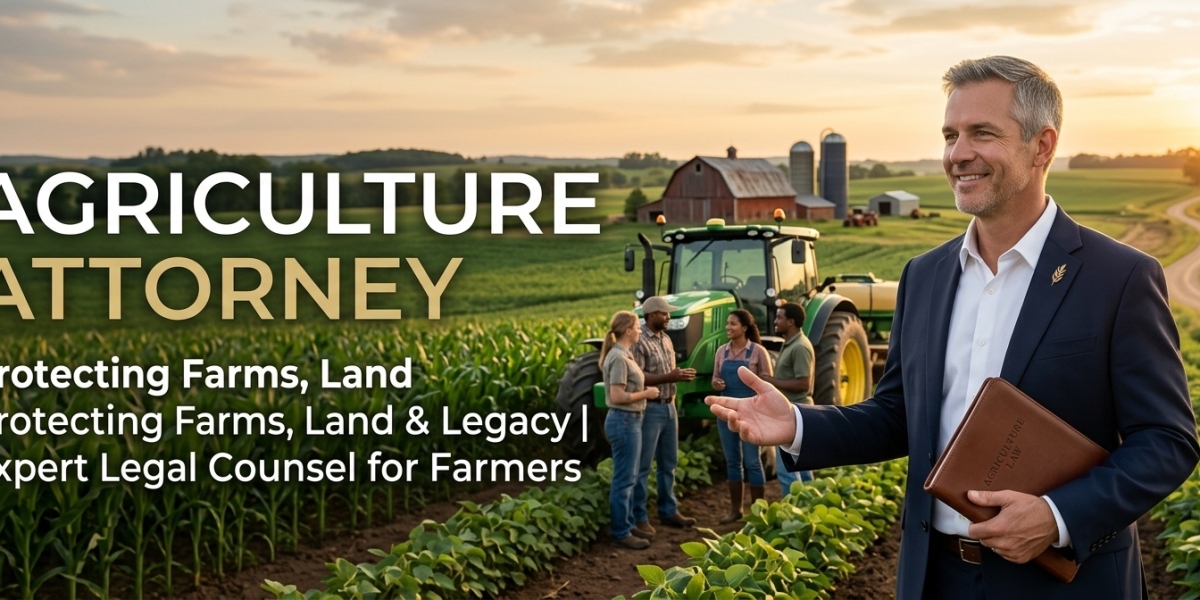

Farming has evolved far beyond traditional land management and manual labor. Today, running a farm means operating a sophisticated business enterprise subject to complex environmental regulations, multi-generational succession challenges, and high-stakes commercial agreements. A single unreviewed contract or poorly structured partnership can jeopardize years of hard work. To build resilience and ensure long-term stability, agricultural businesses must treat legal compliance as a core operational pillar rather than an afterthought.
Working alongside a specialized legal advisor helps producers protect their assets, streamline operations, and secure their financial future. Understanding the key legal areas that impact modern farming equips operations to navigate growth while minimizing exposure to liability.
Navigating Regulatory Compliance and Land Use
Agricultural operations interact constantly with federal, state, and local regulatory frameworks. From water usage rights to zoning laws, staying compliant requires constant vigilance and legal oversight.
Water Rights and Resource Allocation
Water is the lifeblood of agriculture, but access rights are increasingly contested. Regulatory bodies strictly enforce allocation limits, usage permits, and environmental conservation standards. Failing to secure proper water permits or violating regional runoff guidelines can lead to severe civil fines and operational shutdowns. Producers must establish verified legal rights to their water sources and maintain clear documentation for compliance audits.
Environmental Regulations and Zoning
Modern farming operations must comply with strict environmental policies, including state nutrient management plans and federal regulations governing pesticide application. In addition, local zoning laws dictate how property can be developed, whether for livestock facilities, processing plants, or agritourism ventures. Partnering with an agriculture lawyer ensures that zoning variances, environmental impact assessments, and permit applications are handled correctly from the outset.
Employment and Labor Law Standards
Agricultural employers face unique labor standards, ranging from seasonal worker visa compliance (such as H-2A programs) to workplace safety mandates under federal law. Misclassifying workers, failing to meet housing safety standards, or neglecting proper payroll records can result in federal investigations. Legal oversight helps farm owners design compliant employment policies that reduce liability and maintain a stable workforce.
Structuring Clear Contracts and Business Agreements
Every agricultural operation relies on an array of contractual relationships. From land leases to equipment financing, clear contracts protect both parties and establish transparent expectations.
Farmland Leases and Purchase Agreements
Leasing land remains a primary method for expanding crop production, yet many producers still rely on informal or outdated lease templates. A comprehensive lease agreement must outline clear terms regarding:
Rent structures (cash rent, crop-share, or flexible hybrid models)
Maintenance responsibilities for drainage, fencing, and soil health
Land use restrictions and conservation practices
Renewal terms and termination notice periods
Without precise terms, disputes over land improvements or unexpected early terminations can disrupt an entire growing season.
Supply Chain and Commodity Sale Contracts
Selling agricultural commodities involves navigating volatile market prices, delivery windows, and quality standards. Forward contracts, futures agreements, and direct-to-buyer sales contracts must contain specific language addressing breach of contract, force majeure events, and quality variance disputes.
When drafting or negotiating these high-stakes agreements, many producers rely on the structured guidance provided by team members at Midwest Ag Law to ensure their commercial interests remain fully protected. Retaining qualified legal support ensures that vendor, buyer, and processing agreements do not shift unfair risk onto the producer.
Business Structure and Estate Succession Planning
Preserving a farm for future generations requires careful legal structuring. Without proper entity formation and succession planning, family-owned operations risk fragmentation, heavy tax burdens, or internal disputes.
Choosing the Right Business Entity
Operating as a sole proprietorship leaves personal assets vulnerable to business liabilities, equipment liability claims, and debt defaults. Structuring the farm under a formal legal entity creates a protective shield between personal wealth and operational liabilities:
Limited Liability Companies (LLCs): Flexible tax treatment and strong personal liability protection.
Family Limited Partnerships (FLPs): Ideal for consolidating farm management while gradually transferring equity to younger generations.
Corporations (S-Corp or C-Corp): Useful for large-scale operations seeking specialized capital structures or specific tax advantages.
Multi-Generational Estate Planning
Transferring farm property and equipment to the next generation is often complicated by family dynamics and non-farming heirs. An experienced agriculture attorney designs custom estate plans that balance equity among family members while keeping the operational farm intact.
Key succession tools include:
Living Trusts: Avoid probate costs and keep asset distribution private.
Buy-Sell Agreements: Set clear rules for purchasing equity if a family partner wishes to exit.
Operating Agreements: Define clear roles for active management versus passive ownership.
Proactive Risk Management and Dispute Resolution
Litigation in the agricultural sector can deplete financial resources and distract from daily operations. Taking proactive legal measures helps resolve conflicts efficiently before they reach the courtroom.
Boundary Disputes and Fence Laws
Property line disagreements, easement rights, and shared fence maintenance frequently trigger conflicts between neighboring landowners. State fence laws govern cost-sharing responsibilities for perimeter enclosures, but historical land use and missing survey records can complicate matters. Resolving these issues through negotiated boundary agreements prevents costly quiet title lawsuits.
Equipment Leases and Debt Restructuring
Farm machinery represents significant capital expenditure. Whether acquiring new harvesters through financing or leasing specialized tools, producers must review financing agreements carefully. If financial setbacks occur due to extreme weather or market drops, legal counsel can assist in restructuring debt obligations, negotiating repayment terms, and protecting capital equipment from repossession.
Building a Resilient Agricultural Enterprise
Sustaining a successful agricultural operation requires proactive planning across every phase of the business. By securing water rights, drafting clear commercial contracts, choosing the right entity structure, and establishing a succession strategy, producers safeguard their hard-earned assets. Investing in sound legal counsel ensures that your farm remains financially secure, compliant, and prepared for future growth across generations.
Frequently Asked Questions
Question 1: Why should a farm operation hire a specialized agriculture lawyer instead of a general corporate attorney?
Agricultural law involves unique statutes, environmental regulations, USDA programs, and land use rules that general business lawyers rarely handle. A specialist understands the operational realities of farming.
Question 2: What is the most effective legal entity for a family-owned farm?
Limited Liability Companies (LLCs) and Family Limited Partnerships (FLPs) are popular because they offer personal liability protection, flexible pass-through taxation, and simple management structures for passing equity down to heirs.
Question 3: How does an agriculture attorney assist with farm succession planning?
They create legal instruments like trusts, buy-sell agreements, and operating contracts to transfer ownership smoothly, reduce estate taxes, and avoid family disputes over land asset division.
Question 4: What key clauses should every farmland lease agreement include?
Every lease should specify rent payment terms, maintenance duties, crop-sharing ratios, land use restrictions, conservation standards, and explicit conditions for termination or extension.
Question 5: How do forward contracts protect agricultural producers?
Forward contracts lock in commodity pricing and delivery terms ahead of harvest, reducing exposure to market price volatility while establishing legally binding obligations between seller and buyer.