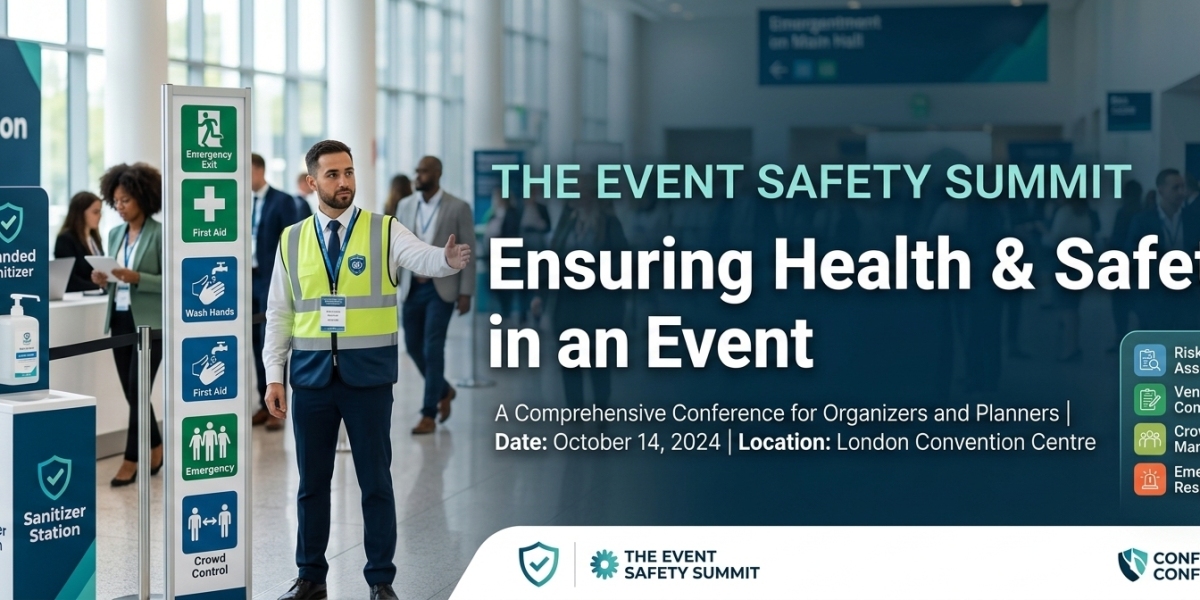

Running a successful event requires far more than coordinating vendors and managing attendee lists. A single overlooked hazard can transform an otherwise flawless gathering into a major liability. Ensuring comprehensive health and safety in an event protects attendees, staff, and overall reputation while keeping operations running smoothly behind the scenes.
Event planning carries inherent uncertainties, ranging from unexpected weather shifts to crowd bottlenecks and structural hazards. Establishing proactive safety measures allows organizers to systematically identify vulnerabilities before doors open, ensuring full regulatory compliance and peace of mind.
Understanding the Core Components of Event Safety
Comprehensive safety management extends well beyond placing fire extinguishers near exits and posting emergency contact numbers. It demands a structured approach to evaluate every operational layer of a gathering.
Primary Risk Categories in Event Management
Crowd Dynamics: Overcrowded entrances, poor foot-traffic flow, and unclear emergency egress routes create significant stampede and crush risks.
Infrastructure Hazards: Temporary stages, lighting rigs, heavy AV equipment, and temporary power cables require strict structural and electrical checks.
Environmental Factors: Outdoor venues face sudden heatwaves, heavy rainfall, high winds, or extreme cold, all of which impact physical safety and infrastructure integrity.
Health and Hygiene Services: Inadequate sanitation facilities, poor food handling practices, and limited access to potable water lead to rapid illness outbreaks.
Conducting a Complete Venue Risk Assessment
A site inspection must be systematic and documented. Performing a thorough venue risk assessment enables organizers to pinpoint site-specific dangers and establish effective control measures well before production begins.
Step 1: Identify Hazards Across the Site
Walk the entire location to locate potential danger spots. Inspect terrain variations, power access points, loading bays, stage setups, and high-traffic corridors where slips, trips, or structural failures might occur.
Step 2: Determine Who Might Be Harmed
Identify all parties who will access the space at different phases of production:
Setup and tear-down crews working with heavy machinery.
Performers and speakers navigating temporary stages and backstage areas.
Event staff and third-party vendors handling hot equipment or food preparation.
General attendees, including children, elderly guests, and individuals with mobility impairments.
Step 3: Evaluate Risks and Establish Control Measures
Assess the probability and potential severity of each identified hazard. If an issue presents a high risk, implement immediate solutions:
Secure loose cables using heavy-duty rubber ramps.
Set clear capacity limits for distinct sub-areas within the venue.
Position certified medical personnel near high-density crowd zones.
Streamlining Safety Protocols with Standardized Documentation
Maintaining clear safety documentation keeps team members aligned on protocols. Utilizing standardized resources from Safety docs simplifies compliance planning by providing structured templates for risk registers, emergency action plans, and vendor safety checklists.
Crucial Documents for Every Event File
Incident Reporting Forms: Log every medical situation, near-miss, or property damage event immediately for legal and operational reviews.
Emergency Evacuation Plans: Map out primary and secondary exit routes, assembly points, and designated roles for clear communication during a crisis.
Vendor Compliance Sheets: Verify that food trucks, pyrotechnic operators, and AV teams hold valid insurance and equipment certifications.
Managing Logistics, Vendors, and Temporary Structures
Temporary installations present distinct safety challenges because they are constructed quickly and often operated under tight deadlines.
Stage Construction and Structural Inspections
Temporary staging, scaffolding, and lighting trusses require sign-offs from qualified structural engineers. Verify weight capacities, ballast requirements for outdoor wind resistance, and stability on uneven ground surfaces.
Electrical and Fire Safety Protocols
All temporary power distribution units must be grounded and protected by residual current devices (RCDs). Keep clear access pathways around main breakers and ensure fire suppression gear matches the specific risk area (such as CO2 extinguishers for sound booths and wet chemical units for catering zones).
Crowd Management and Traffic Control Strategies
Effective crowd management requires constant monitoring and clear spatial organization to maintain smooth foot traffic throughout the venue.
Operational Crowd Control Tactics
Clear Directional Signage: Position highly visible, illuminated signs for exits, restrooms, medical tents, and water stations.
Zone Segmentation: Divide large crowds into manageable sectors using sturdy barricades to prevent sudden surges toward main stages.
Communication Channels: Equip key personnel with two-way radios operating on dedicated channels isolated from general staff chatter.
Essential Emergency Response Planning
Even meticulous preparation cannot eliminate every possible issue. A structured response protocol ensures your team reacts calmly and efficiently during an emergency.
Key Elements of an Operational Response Plan
Chain of Command: Designate a primary Safety Officer who holds sole authority to stop the event or order an evacuation.
On-Site First Aid Stations: Scale medical presence according to total attendance numbers and high-risk activity locations.
Local Agency Coordination: Share venue layouts, schedule details, and expected headcounts with local police, fire departments, and ambulance services prior to the event date.
FAQs
Q1: What is the primary purpose of a venue risk assessment?
It identifies potential physical, structural, and environmental hazards on-site, allowing team members to implement control measures and prevent injuries before the event starts.
Q2: Who holds legal responsibility for health and safety in an event?
The primary event organizer holds ultimate responsibility, though venue managers, third-party contractors, and vendors share duty-of-care obligations within their operational zones.
Q3: When should safety planning begin for a major event?
Safety planning should start during the initial venue selection phase to evaluate location constraints, layout safety, and maximum capacity limits early in the process.
Q4: How do crowd density limits protect event attendees?
Setting strict capacity controls prevents overcrowding, reduces physical pressure in tight areas, and ensures clear access routes during emergency evacuations.
Q5: What fire safety equipment is required for outdoor events?
Outdoor venues require accessible fire extinguishers suited to specific risks, clear fire lanes for emergency vehicles, and flame-retardant certifications for all temporary tents and drapes.