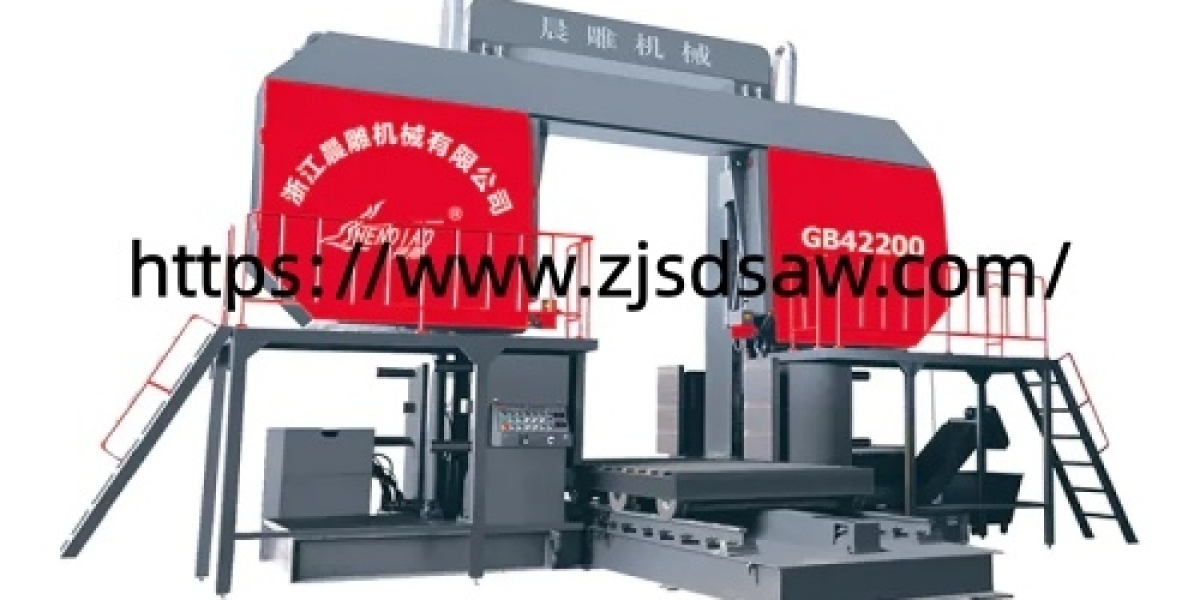

Band Saw Factory selection can shape how smoothly a workshop handles repeated cutting tasks, especially when buyers are comparing equipment for different materials, dimensions, and production volumes. The right decision should begin with actual working conditions rather than a catalog number alone. Cutting capacity, material type, feed method, control system, maintenance access, and available technical support all deserve attention before an order is placed.
One of the first points to check is working capacity. Buyers should list the typical diameter, width, thickness, and length of the materials they process. The machine should have enough room for regular work without forcing operators to work continuously at the edge of its rated range. A practical capacity margin can also leave room for future production changes. Current purchasing guides commonly recommend checking round and rectangular capacity against real workpiece dimensions before selecting equipment.
Material compatibility is another important consideration. Steel billets, plates, forgings, aluminum, and other materials can require different cutting conditions. Blade speed, feed rate, tooth selection, clamping pressure, and coolant use may all influence the cutting process. Harder materials can require different speed settings from softer materials, so adjustable operating parameters can be useful when one machine needs to handle several material groups.
The drive system deserves careful attention as well. Motor power should match the intended workload, while the electrical configuration needs to suit the workshop. Buyers should confirm voltage, phase requirements, motor rating, transmission structure, and available operating speeds. These details are easy to overlook during purchasing but can affect installation and daily use.
Automation is worth considering when production involves repeated dimensions. Automatic feeding, programmable cutting parameters, hydraulic blade tension, chip removal, and digital controls can reduce manual intervention in suitable applications. Chendiao offers equipment covering manual, semi automatic, CNC, vertical, horizontal, gantry, and intelligent configurations, giving buyers different options according to their production requirements.
For example, the GZ4243B CNC model supports automatic material feeding, automatic cutting feed, and automatic cutting, while its interface allows production parameters to be handled digitally. Such functions can be useful when a workshop repeatedly processes materials into consistent dimensions.
Buyers working with specialized materials should also pay attention to application compatibility. A Graphite Cutting Machine application, for instance, may require careful consideration of material properties, workpiece support, dust management, tooling selection, and operating parameters. The equipment should be evaluated according to the actual material and cutting process rather than simply choosing a configuration based on appearance or nominal capacity.
Clamping is another detail that can influence daily operation. A workpiece needs to remain stable throughout the cutting cycle. Depending on the application, buyers may compare quick clamping systems, hydraulic clamping, adjustable vises, feeding mechanisms, and different fixture arrangements. A suitable setup can make loading and unloading more convenient while helping maintain consistent positioning.
Safety should remain part of the purchasing discussion. Guards, emergency stop functions, stable machine structures, operator access, and clear controls should be reviewed before installation. Safety features should also be considered together with the intended workflow, because an easy to operate machine can help workers follow normal procedures more consistently.
Maintenance is equally important. Buyers should ask how easily operators can inspect the blade system, clean chips, check lubrication, adjust guides, and replace wear parts. Cooling arrangements also deserve attention where applicable. Some industrial models include coolant systems, while others may use different approaches depending on the material and process.
Spare parts and technical assistance should be discussed before purchase rather than after a problem occurs. Buyers can ask about replacement components, installation guidance, operating instructions, training, troubleshooting procedures, and service response. These details can make a practical difference when equipment becomes part of a regular production line.
Chendiao has developed cutting equipment for a range of industrial applications and provides configurations including vertical, CNC, horizontal, gantry, angle cutting, and intelligent systems. Its product range also includes equipment designed for billets, plates, forgings, and other metal processing tasks.
A thoughtful purchase therefore starts with a clear production profile. Define the materials, dimensions, daily workload, required automation, available power, workspace, operator skills, and maintenance plan. Then compare machines according to those practical conditions. This approach makes it easier to select equipment that fits the workshop instead of paying for functions that may not be needed.
For buyers reviewing different industrial cutting solutions from Chendiao, product specifications and available configurations can be compared through the official product range at https://www.zjsdsaw.com/product/ This gives purchasers a practical starting point for matching machine structure and functions with their actual production plans.