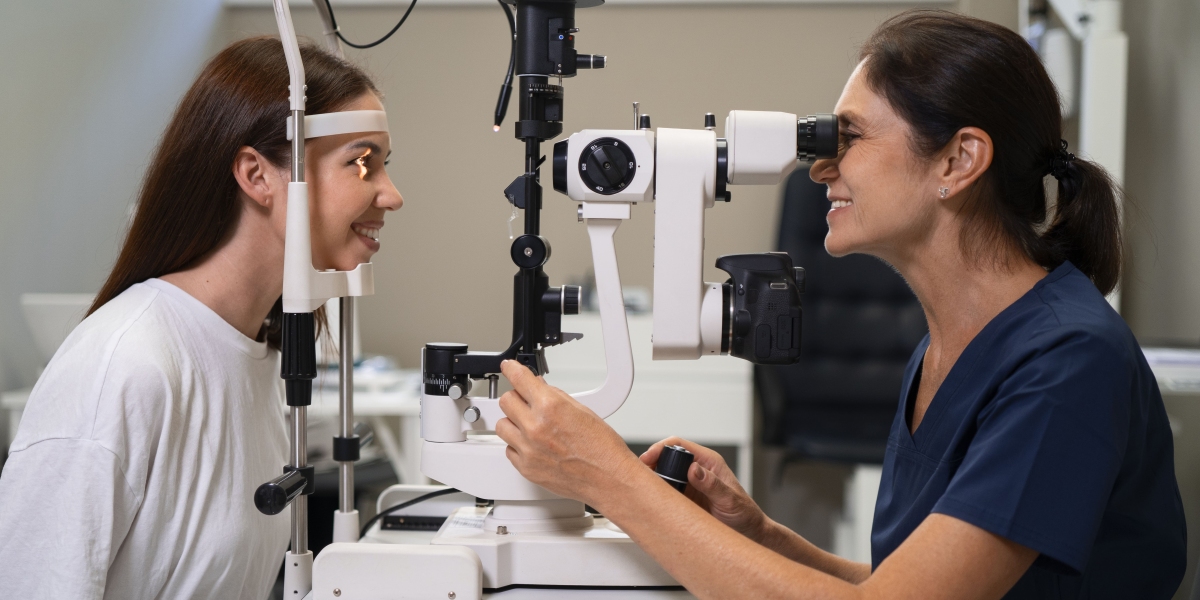

Modern eye care depends on diagnostic technology to deliver efficient practices and consistent patient assessments. As patient volumes increase and clinical workflows become more demanding, equipment quality can directly influence how effectively a practice uses its time, staff, and resources.
Investing in better technology is not simply about purchasing equipment with more features. The objective is to select systems that provide meaningful improvements in measurement accuracy, examination speed, workflow consistency, usability, and long-term reliability. When these factors work together, a practice can improve its daily operations while making better use of its technology investment.
Return on investment in eye care equipment should therefore be considered from both financial and clinical perspectives. A system that reduces unnecessary delays, supports dependable measurements, minimizes downtime, and allows staff to handle examinations efficiently can create value throughout its operational life.
Clinical Efficiency Starts With Reliable Measurements
Accurate measurements are fundamental to efficient eye care. When diagnostic equipment provides consistent results, clinicians can spend less time repeating routine measurements or verifying unexpected readings.
Reliable technology can support:
- Consistent measurement performance
- Faster routine assessments
- Reduced repeat procedures
- Better use of examination rooms
- Greater clinical confidence
In a busy practice, even small improvements in measurement consistency can have a significant cumulative effect. When equipment is used throughout the day, dependable performance becomes an important contributor to overall productivity.
Faster Workflows Improve Patient Throughput
Time is an important resource for every eye care practice. Delays in one examination can affect subsequent appointments and increase waiting times.
Modern diagnostic systems can improve workflow by incorporating automated alignment, tracking, and measurement functions. These features can simplify routine procedures and reduce the amount of manual intervention required.
Faster workflows may allow practices to:
- Serve more patients during available hours
- Reduce examination-room occupancy
- Minimize appointment delays
- Improve staff utilization
- Create a smoother patient experience
Improving speed should not come at the expense of accuracy. The strongest technology investments combine efficient operation with dependable measurements.
Automation Reduces Repetitive Work
Automation can make routine diagnostic procedures easier for staff. Features such as automatic alignment and tracking can reduce manual adjustments and help standardize measurements.
This can be particularly valuable when several operators use the same equipment. A simplified operating process can help reduce variation between users and allow staff to become productive more quickly.
Automation also gives professionals more opportunity to focus on patient interaction and clinical interpretation rather than repetitive equipment adjustments.
Better Technology Can Reduce Repeat Examinations
Repeat measurements can consume valuable time and resources. They may occur because of inconsistent readings, positioning difficulties, operator variation, or equipment limitations.
Reliable diagnostic systems can help reduce these challenges by providing precise optical measurement and automated functions. Better consistency can lead to fewer unnecessary repetitions and more efficient use of clinical time.
For practices with high patient volumes, reducing even a small number of repeat procedures each day can produce meaningful operational benefits over an extended period.
Evaluate Features That Create Real Value
Advanced technology does not automatically provide better return on investment. The value of a feature depends on how effectively it addresses the practice's requirements.
Important areas to evaluate include:
- Measurement technology
- Automation
- Alignment and tracking
- Measurement speed
- Keratometry integration
- Software functionality
- Data connectivity
- Display and user interface
For example, systems with integrated keratometry can provide additional measurements, while advanced optical systems can support high-precision assessment. Automated features can improve speed and ease of operation. These capabilities can influence both the functionality and overall value of diagnostic equipment.
Consider the Complete Equipment Investment
The initial purchase amount is only one component of the investment. When evaluating autorefractometer price , practices should also consider measurement technology, automation, software capabilities, integrated functions, brand reputation, warranty, installation, training, and after-sales support.
Looking at the complete investment helps practices understand whether the equipment can deliver value throughout its working life rather than simply appearing affordable at the time of purchase.
A system with a higher initial investment may provide stronger long-term returns if it improves productivity, operates reliably, and requires less intervention.
Reliability Protects Operational Continuity
Equipment downtime can have a direct effect on clinical efficiency. When an essential diagnostic system is unavailable, staff may need to reschedule patients, move examinations to another room, or rely on alternative equipment.
Reliable technology can help reduce these disruptions.
Before purchasing, practices should evaluate:
- Build quality
- Expected service life
- Maintenance requirements
- Parking protection
- Technical support
- Availability of service assistance
The goal is to select equipment that can remain dependable under regular clinical use.
Software Can Improve Operational Efficiency
Modern diagnostic equipment increasingly relies on software for measurement management, reporting, and connectivity. A well-designed software system can reduce manual documentation and make information easier to access.
Useful capabilities may include:
- Digital measurement storage
- Report generation
- Patient data management
- Connectivity with other systems
- Authentication
- Easy-to-use controls
Software becomes especially valuable when a practice is developing a more connected digital workflow.
Choose Technology That Matches Patient Volume
The best equipment depends partly on how often it will be used. A small optical practice may have different requirements from a hospital or high-volume eye care center.
Practices should consider:
- Current patient volume
- Expected growth
- Number of operators
- Number of examination rooms
- Daily equipment usage
High-volume environments may benefit more from automated systems designed for faster operation, while smaller practices may prioritize essential functionality and ease of use.
Selecting equipment according to workload helps avoid both underinvestment and unnecessary actual expenditure.
Consider Long-Term Scalability
Technology should ideally support the practice as it grows. A system that works well today but cannot accommodate future requirements may eventually become a limitation.
Future considerations can include:
- Increased patient volume
- Additional clinical locations
- More equipment operators
- Digital system integration
- Expanded diagnostic services
- Software upgrades
Investing in technology with suitable scalability can reduce the likelihood of premature replacement.
Supplier Support Influences Return on Investment
Equipment value does not end with installation. Training, warranty assistance, technical service, and after-sales support can all influence how effectively a practice uses its investment.
Matronix Optotechnik provides ophthalmic diagnostic solutions designed for optical stores, eye clinics, hospitals, and diagnostic centers, with an emphasis on accuracy, reliability, automation, and long-term performance. Its support includes installation, product training, warranty assistance, and after-sales service, helping professional users implement and maintain their diagnostic technology effectively.
Strong supplier support can help reduce operational uncertainty and ensure that staff understand how to use equipment effectively.
Training Helps Maximize Equipment Value
Even advanced equipment requires proper operator training. Staff need to understand patient positioning, automated functions, measurement procedures, software controls, and basic equipment care.
Appropriate training can help reduce:
- Operator errors
- Unnecessary repeat measurements
- Equipment misuse
- Workflow delays
- Underutilization of available features
Training therefore contributes directly to the return generated by the equipment investment.
Maintenance Protects Long-Term Performance
Regular maintenance can help preserve equipment performance and extend its useful life. Practices should follow recommended maintenance procedures and address technical issues promptly.
Preventive care can help:
- Maintain measurement consistency
- Reduce unexpected downtime
- Extend equipment lifespan
- Protect operational efficiency
- Reduce avoidable repair expenses
The financial benefit of good maintenance can become increasingly significant over several years.
Measure ROI Beyond Direct Revenue
Return on investment should not be measured only by additional revenue generated. Diagnostic technology can create value in several ways.
These benefits may include:
- More efficient staff utilization
- Reduced examination time
- Fewer repeat procedures
- Better patient throughput
- Lower downtime
- Improved equipment utilization
- More predictable workflows
Together, these improvements can strengthen the operational performance of a practice.
Compare Total Cost of Ownership
A meaningful ROI assessment should include the total cost of ownership. This may involve:
- Initial purchase
- Installation
- Training
- Maintenance
- Repairs
- Software updates
- Downtime
- Replacement costs
Comparing these factors across different systems provides a more realistic understanding of long-term value.
Conclusion
Better diagnostic technology can improve clinical efficiency and return on investment by supporting accurate measurements, faster workflows, automation, reliable performance, and effective data management. The greatest value comes from selecting equipment that matches the practice's clinical requirements and patient volume while remaining dependable over time.
By evaluating technology beyond its initial cost and considering productivity, reliability, maintenance, training, scalability, and supplier support, eye care practices can make investments that contribute to stronger workflows and sustainable long-term performance.