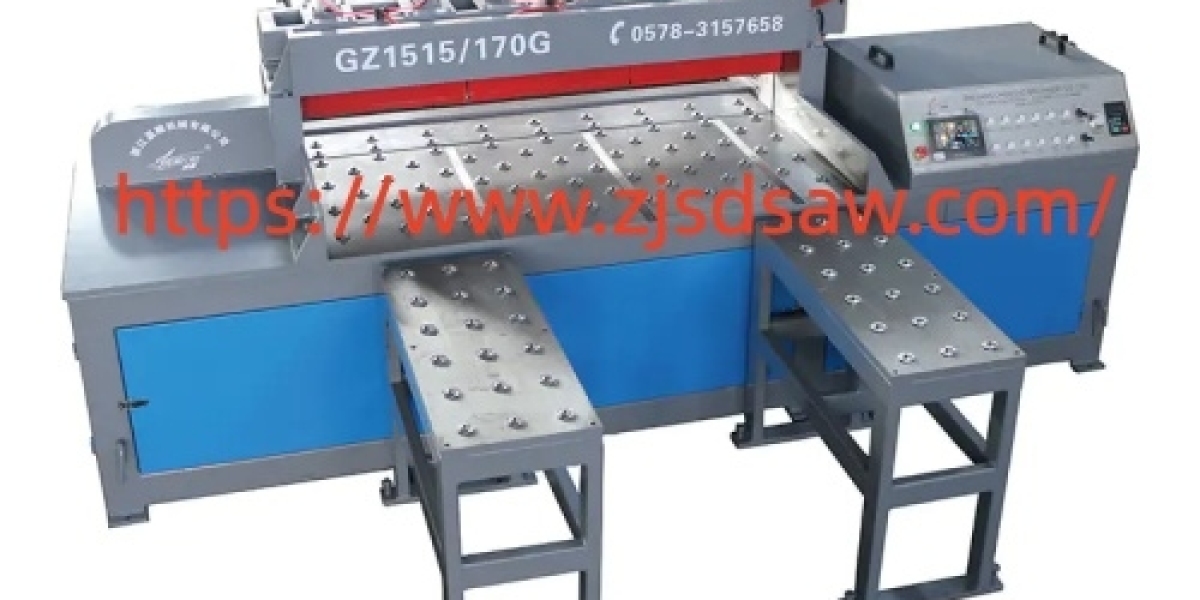

Aluminum Plate Cutting Circular Saw Machine selection should begin with the actual requirements of your workshop. Buyers should review material dimensions, thickness, processing volume, required dimensions, feeding arrangements, blade specifications, operating speed, cooling, installation space, and maintenance access before making a purchasing decision. Chendiao develops industrial processing equipment for manufacturers with different production requirements.
The material specification is the natural starting point. Buyers should record the common dimensions used in daily production, including length, width, thickness, and alloy grade. Different grades can behave differently during processing, so providing accurate information to the manufacturer can help determine suitable operating conditions. The largest workpiece expected during normal production should also be included when discussing equipment capacity.
Production volume deserves similar attention. A workshop handling occasional orders may have different requirements from a facility processing repeated batches throughout the day. When production involves many pieces with similar dimensions, automatic feeding and programmable positioning can reduce repeated manual work. Equipment selection should therefore be based on the actual workflow rather than on specifications alone.
Feeding arrangements are particularly important for repeat production. Buyers should ask about feeding distance, positioning accuracy, adjustment methods, material support, and how the system handles different dimensions. Chendiao product information shows that its HC 16310NC model uses servo feeding, pneumatic clamping, and a universal ball lifting system for handling aluminum alloy sheets.
Blade selection should also be discussed before an order is confirmed. Tooth geometry, tooth count, blade material, diameter, thickness, and operating speed can influence surface condition, chip evacuation, heat generation, and tool wear. Aluminum is relatively soft and can produce chips that adhere to teeth when conditions are unsuitable, making blade selection and lubrication important considerations.
Operating speed needs to match the blade and workpiece. Excessive speed can increase heat, while unsuitable feed conditions can place additional load on the teeth. A suitable relationship between spindle speed and feed rate can help maintain a stable process. Industry guidance also recommends coordinating these parameters with material thickness and blade design rather than using one setting for every job.
Clamping is another detail that should not be overlooked. Thin or large sheets can move when insufficiently supported, which may affect dimensions and edge condition. Buyers should check how the workpiece is positioned, how many clamping points are available, and whether pneumatic or hydraulic control is appropriate for the intended workload.
The worktable deserves attention as well. Large sheets require convenient movement during loading and unloading. A ball lifting system can help reduce friction while positioning heavy material. Chendiao lists a universal ball lifting arrangement on its HC 16310NC model, intended to make material movement easier during operation.
Cooling and lubrication should be discussed according to the material and workload. Suitable lubrication can reduce friction and help manage heat around the contact area. Chip evacuation is also important because accumulated chips may interfere with the process. Industry references recommend selecting cooling or lubrication methods according to material type, thickness, speed, and production volume.
Control functions can influence daily operation. Buyers may want programmable feeding, digital positioning, adjustable speed, automatic clamping, and accessible parameter settings. These functions can be useful when the same dimensions are processed repeatedly. However, unnecessary functions may add complexity, so each option should be evaluated against an actual production task.
Installation conditions should be confirmed before delivery. Check workshop dimensions, loading routes, electrical supply, operator access, material storage, and maintenance space. Large industrial equipment needs enough room for safe operation and routine servicing. Planning these details early can reduce installation difficulties later.
Maintenance planning is equally important. Buyers should ask about blade replacement, lubrication points, coolant systems, electrical components, sensors, pneumatic parts, and commonly serviced assemblies. Spare parts availability and technical support should also be discussed before the purchasing process is completed.
Safety should remain part of the evaluation. Protective guarding, emergency stop functions, secure workpiece holding, blade monitoring, and accessible controls can contribute to a controlled operating environment. Operators should receive appropriate training and follow the manufacturers operating instructions. Regular inspection of moving parts and safety components should form part of routine equipment care.
Another useful step is to prepare several real production examples before contacting a manufacturer. Include material grade, dimensions, thickness, required quantity, preferred finished dimensions, and expected working hours. This information gives engineers a clearer picture of the application and makes configuration discussions more practical.
Chendiao offers equipment configurations for different nonferrous material processing requirements, including automated feeding and positioning solutions. Its published product information provides technical details that buyers can review when comparing capacity, blade specifications, feeding arrangements, clamping, and overall dimensions.
A thoughtful purchasing decision should connect equipment specifications with actual factory conditions. Reviewing material dimensions, workload, blade compatibility, feeding, clamping, speed, cooling, installation, maintenance, and safety can help manufacturers create a practical equipment specification. Buyers preparing a new production project can review Chendiao equipment options and related product information at https://www.zjsdsaw.com/product/ as part of their equipment evaluation.