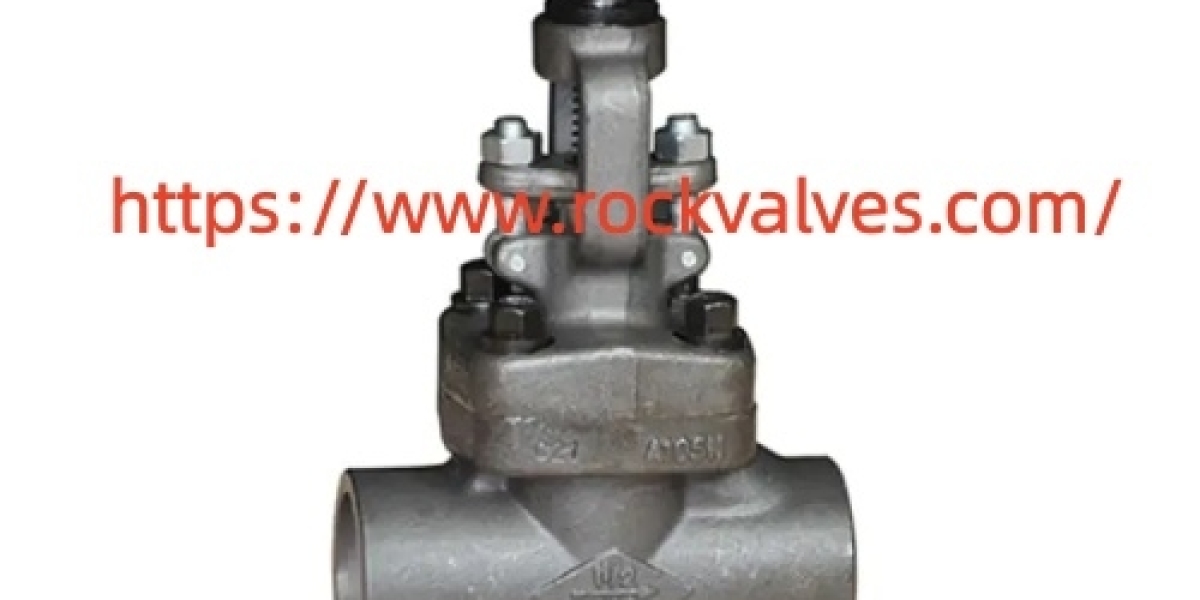

Low Temperature Steel Globe Valve selection begins with the actual operating conditions of the piping system. Buyers should review the medium, minimum and maximum temperatures, pressure, materials, connection type, sealing arrangement, testing requirements, and applicable standards before confirming a configuration. In cold service, material behavior and thermal conditions deserve particular attention because the selected construction needs to correspond with the intended operating environment.
Temperature should be one of the first specifications placed on the purchasing checklist. A valve may have a suitable pressure class at one temperature but require a different assessment at a lower temperature. ASME B16.34 covers pressure temperature ratings, dimensions, materials, tolerances, nondestructive examination, testing, and marking for covered steel and alloy valves. This makes the relationship between temperature, pressure, and material an important part of technical review.
Material selection requires similar care. As temperatures decrease, some metals can experience changes in toughness and fracture behavior. Buyers should therefore confirm the material grade against the minimum design temperature and project specification. If impact testing or additional material verification is required, those details should be established before manufacturing begins.
For applications involving cryogenic conditions, buyers should also determine whether a dedicated cryogenic valve standard applies. MSS SP 134 2025 covers metallic valves intended for cryogenic service and includes requirements related to materials, design, dimensions, fabrication, nondestructive examination, and pressure testing. The standard applies to cryogenic globe valves as well as several other valve types.
The actual medium should be clearly identified. Industrial systems may handle liquefied gases, refrigerated process fluids, cold hydrocarbons, or other media with different physical and chemical characteristics. Material compatibility should be considered together with temperature and pressure. Seat, packing, gasket, stem, body, and bonnet materials may all require review depending on the service.
Pressure rating is another key purchasing point. Buyers should provide the design pressure and design temperature rather than giving only a nominal pressure class. ASME B16.34 establishes pressure temperature ratings as part of its requirements, so a technical review should consider the complete operating range rather than a single pressure value.
Connection details should also be confirmed early. Flanged and welding end arrangements can involve different installation requirements, dimensions, and maintenance considerations. The purchaser should specify nominal size, flange standard, facing requirements, welding end details, face to face dimensions, and piping information where applicable. Accurate dimensional information helps reduce coordination issues during installation.
Sealing performance deserves attention in cold environments. Thermal contraction can influence clearances and sealing components, so buyers should ask about the proposed sealing arrangement and its suitability for the specified service temperature. Packing and gasket selection should be considered alongside the body and internal materials rather than treated as an unrelated detail.
The valve operating method should also match the installation. A manually operated unit may be suitable when the valve is easy to access, while remote or difficult locations may call for a gear operator or actuator. Available space, operating frequency, control requirements, and maintenance access should be reviewed before the final configuration is approved.
Inspection and testing requirements should be discussed during the quotation stage. Depending on the project, buyers may require pressure testing, seat testing, nondestructive examination, material certificates, dimensional inspection, or additional customer specific procedures. MSS SP 134 2025 specifically includes nondestructive examination and pressure testing requirements for the cryogenic service covered by that standard.
Documentation is another practical area that can affect project coordination. Engineering teams may request drawings, technical data, material certificates, test records, inspection reports, and identification information. Providing these requirements at the beginning gives the manufacturer time to prepare the appropriate documentation and helps the purchasing team organize technical approval.
Installation conditions should not be overlooked. Cold process equipment may be installed in areas with limited access or alongside insulation systems. Buyers should review handwheel clearance, bonnet space, pipe orientation, insulation thickness, actuator access, and maintenance space before approving the dimensional arrangement.
A manufacturer also needs accurate information to prepare a suitable configuration. Rockvalves can discuss valve size, pressure class, material selection, connection arrangements, operating methods, and project specifications with industrial customers. Clear communication at the quotation stage can help prevent avoidable changes during production.
The purchasing process becomes easier when buyers prepare a complete specification sheet. The document can include medium, design pressure, minimum temperature, normal operating temperature, pipe size, connection type, material requirements, applicable standards, inspection procedures, testing requirements, operating method, and documentation needs. This gives both sides a practical reference for technical discussions.
Cold service projects benefit from careful preparation rather than assumptions. Buyers who review temperature limits, material suitability, pressure ratings, sealing arrangements, connection dimensions, testing, and maintenance conditions can create a clearer basis for selecting the appropriate configuration.
Companies evaluating industrial valve solutions can review Rockvalves product information at https://www.rockvalves.com/product/