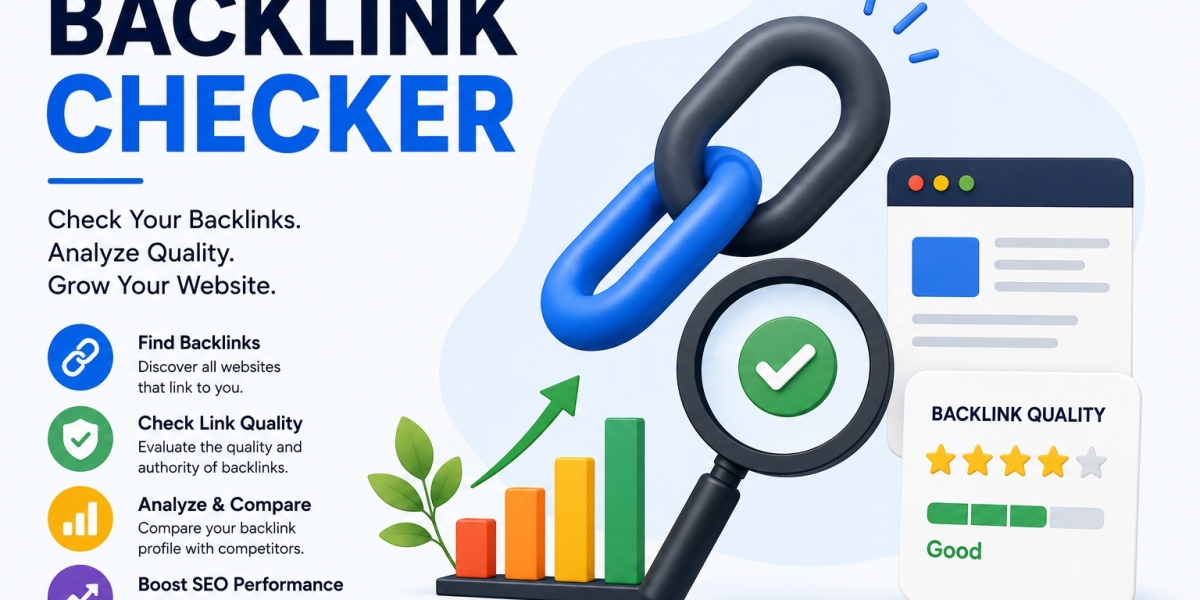

Search is changing quickly. People are no longer relying only on traditional search results to find information. AI powered search experiences can summarize information, answer questions, and recommend sources directly within the search experience. For website owners and SEO professionals, this makes it increasingly important to understand how their content is discovered and referenced online.
Backlinks remain useful in this changing environment because they can help search engines discover content and can contribute to a website’s overall authority and credibility. Tracking them regularly can give you valuable insights into how your website is being connected across the web.
Why Backlinks Still Matter
A backlink is a link from one website to another. When a relevant website references your content, it can send visitors to your page and create a connection between your website and a trusted source.
Backlinks should not be viewed as a direct guarantee of visibility in AI search. However, a healthy backlink profile can support broader SEO efforts by helping with discovery, authority, and referral traffic.
The quality of a backlink is generally more important than simply increasing the number of links.
Start by Monitoring Your Referring Domains
One of the first things to track is your referring domains. These are the unique websites that link to your content.
Instead of focusing only on total backlinks, look at whether your website is being mentioned by relevant websites within your industry.
For example, an SEO website may benefit more from links from digital marketing publications, technology websites, business resources, and specialist blogs than from unrelated websites.
A growing number of relevant referring domains can indicate that your content is gaining attention beyond your own website.
Track New and Lost Backlinks
Backlink profiles change over time. New links can appear when someone references your content, while existing links can disappear when pages are removed, updated, or redirected.
Tracking new backlinks helps you understand which content is attracting attention. Monitoring lost backlinks can also help you identify pages or relationships that may need attention.
If an important industry website removes a valuable link, investigate why it disappeared. The original page may have been deleted, the destination URL may have changed, or the publisher may have updated its content.
Identify Your Most Linked Content
Not every page on your website attracts the same number of backlinks.
Analyze which articles, guides, research pages, tools, or resources receive the most external references.
For example, an original research article may attract more links than a general blog post because other publishers can use its findings as a source.
These insights can help shape your future content strategy. If certain formats consistently earn relevant references, consider creating more useful resources around similar topics.
Analyze Competitor Backlinks
Competitor backlink research can reveal websites and content opportunities that you may have missed.
Look at competitors that rank for important topics and review the websites linking to their pages. You may find industry publications, resource pages, blogs, directories, or specialist websites that regularly reference similar content.
The goal is not to copy every competitor backlink. Instead, understand why the competitor earned the link and determine whether you can create a more useful or original resource.
Use Backlink Tools
Several SEO platforms can help monitor backlink profiles. Tools such as Ahrefs, Semrush, Moz, and Ubersuggest provide different levels of backlink and competitor research.
Google Search Console can also provide backlink information for your own website.
Using more than one source can be useful because backlink databases vary between platforms. Treat the information as research data rather than an exact representation of every link on the internet.
Focus on Relevance and Trust
AI search visibility should not become a reason to chase backlinks from any available website.
Focus on earning links that make sense for your subject and audience. Relevant editorial mentions, useful resources, expert contributions, original research, and genuinely valuable content can create stronger reasons for other websites to reference your work.
Avoid making link quantity the main objective.
Connect Backlink Tracking With Content Strategy
Backlink data becomes more useful when combined with other SEO information.
Compare your backlinks with keyword rankings, organic traffic, referral traffic, content performance, and search impressions. This can help you understand whether your link building and content efforts are contributing to broader visibility.
You can also use backlink insights to identify topics where your website has strong authority and create additional helpful content around those subjects.
Final Thoughts
Tracking backlinks can remain a valuable part of SEO as search continues to evolve toward AI powered experiences. A strong approach is not about collecting as many links as possible. It is about understanding which websites reference your content, why they link to it, and which resources create genuine value.
Monitor referring domains, new and lost backlinks, linked pages, and competitor opportunities. Then use those insights alongside high quality content, technical SEO, keyword research, and user focused optimization.
Building a website that other relevant sources naturally want to reference can create a stronger foundation for visibility across both traditional and emerging search experiences.