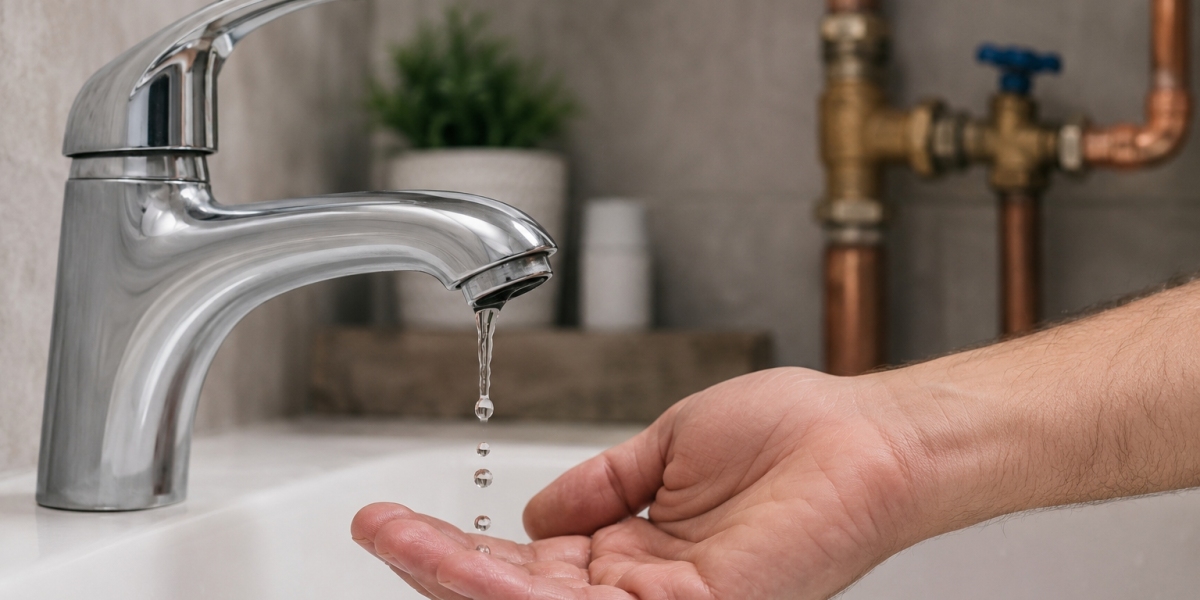

Low water pressure can turn a normal shower into a frustrating trickle. It can also make faucets, appliances, and other plumbing fixtures work less effectively. If your water pressure suddenly drops, you may wonder whether the problem is a clogged pipe, a leak, or something outside your home.
The good news is that identifying where and when the pressure drops can help narrow down the cause. Some problems are simple to check, while others require professional plumbing repair. AAA AUGER Plumbing Services notes that low water pressure throughout a property can indicate an issue with pipes or the water line, making it important not to ignore a sudden change.
Common Causes of Low Water Pressure
1. A Clogged Faucet or Showerhead
If the pressure is low at only one faucet or shower, the problem may be localized. Mineral deposits, sediment, or debris can build up inside an aerator or showerhead and restrict water flow.
Removing and cleaning the fixture may restore normal flow. If cleaning does not help, the restriction could be deeper inside the plumbing system.
2. A Hidden Water Leak
A sudden decrease in pressure throughout your home can sometimes indicate a hidden water leak. Water escaping from a damaged pipe means less water reaches your faucets and fixtures.
Look for warning signs such as:
Unexpected increases in your water bill
Damp spots on walls or ceilings
Wet areas around floors or cabinets
Mold or musty odors
The sound of running water when fixtures are turned off
AAA AUGER identifies decreased water pressure as a potential sign of a concealed plumbing leak and recommends professional leak detection when the cause is not obvious.
3. Corroded or Damaged Pipes
Older plumbing systems can develop corrosion, mineral buildup, or internal restrictions. As the opening inside a pipe becomes narrower, less water can flow through it.
Pipe corrosion can also contribute to leaks and other plumbing problems. AAA AUGER notes that corrosion and deterioration can cause low water pressure, leaks, and pipe failures.
If your home has older pipes and the pressure has gradually become worse, a professional plumbing inspection can help determine whether the piping system needs repair or replacement.
4. A Problem With the Pressure Regulator
Some plumbing systems use a pressure-reducing valve or regulator to control incoming water pressure. If this component malfunctions, water pressure can become unusually low or fluctuate.
Pressure problems can also occur when water pressure is too high. AAA AUGER explains that pressure above 80 psi can place stress on plumbing components and that a pressure-reducing valve may be needed to keep pressure within a safe range.
5. A Problem With the Main Water Line
If every faucet, shower, and plumbing fixture suddenly has weak flow, the issue may be connected to the main water supply line.
A damaged, restricted, or leaking water line can affect pressure throughout your property. This type of problem is more difficult to diagnose because the affected pipe may be underground or otherwise inaccessible.
6. A Partially Closed Shutoff Valve
A partially closed main shutoff valve can restrict water flow into your home. This can happen after plumbing work, maintenance, or an emergency repair.
Check whether the main valve is fully open. If you are unsure which valve controls your home's water supply, avoid forcing it because an old valve can become damaged.
What Can You Check Before Calling a Plumber?
Before scheduling a professional inspection, determine whether the pressure problem affects one fixture or your entire home.
Start by checking several faucets and showers. If only one fixture has weak pressure, inspect its aerator or showerhead for buildup.
If multiple fixtures are affected, check your main water shutoff valve and look for obvious signs of leaks.
You can also ask a neighbor whether they are experiencing similar problems. If nearby homes have the same issue, the problem could be related to the local water supply rather than your home's plumbing.
However, if the pressure suddenly drops throughout your property and you cannot identify an obvious cause, professional diagnosis is the safer approach.
When Should You Call a Plumber?
You should consider professional plumbing repair when low water pressure is sudden, widespread, persistent, or accompanied by other plumbing symptoms.
Call a plumber if you notice:
Low pressure throughout the house
Water stains or damp areas
A sudden increase in your water bill
Unusual pipe noises
Discolored water
Frequent plumbing problems
Visible pipe damage
Pressure that keeps fluctuating
AAA AUGER provides plumbing diagnosis, repair, leak detection, and maintenance services and has licensed, insured technicians available 24/7 for plumbing problems.
How Can Low Water Pressure Be Fixed?
The correct solution depends on the underlying cause. A plumber may inspect your fixtures, pipes, water line, shutoff valves, and pressure-regulating equipment.
Depending on the diagnosis, the repair may involve cleaning a blocked fixture, repairing a leaking pipe, addressing a damaged water line, replacing a faulty component, or correcting another plumbing restriction.
Routine plumbing maintenance can also help identify developing problems before they become major repairs. AAA AUGER recommends regular plumbing maintenance to help prevent unexpected breakdowns, costly repairs, and water damage.
Don't Ignore a Sudden Drop in Water Pressure
Low water pressure is not always a serious problem, but a sudden or widespread change deserves attention. A dirty showerhead may be easy to fix, while a hidden leak, damaged pipe, or water-line problem can require professional repair.
The sooner you identify the cause, the easier it may be to prevent additional plumbing damage. If you cannot determine why your water pressure has dropped, a professional plumbing inspection can help identify the problem and the appropriate solution.
FAQs
Why did my water pressure suddenly drop in the whole house?
A whole-house pressure drop can be caused by a water-line problem, hidden leak, pressure regulator issue, damaged pipes, or a partially closed main shutoff valve.
Can a water leak cause low water pressure?
Yes. A significant leak can allow water to escape before it reaches your faucets and other fixtures, resulting in reduced pressure. A sudden pressure drop combined with an unexplained increase in your water bill can warrant leak detection.
Why is my water pressure low in only one faucet?
A clogged aerator, blocked fixture, faulty faucet component, or localized plumbing restriction can cause low pressure at one fixture while the rest of the home works normally.
Can old pipes cause low water pressure?
Yes. Corrosion, mineral buildup, and deterioration inside older pipes can restrict water flow and contribute to low pressure.
When is low water pressure considered a plumbing emergency?
Low pressure itself is not always an emergency. However, if it occurs suddenly alongside a burst pipe, major leak, flooding, significant water damage, or another serious plumbing problem, professional assistance should be sought promptly.