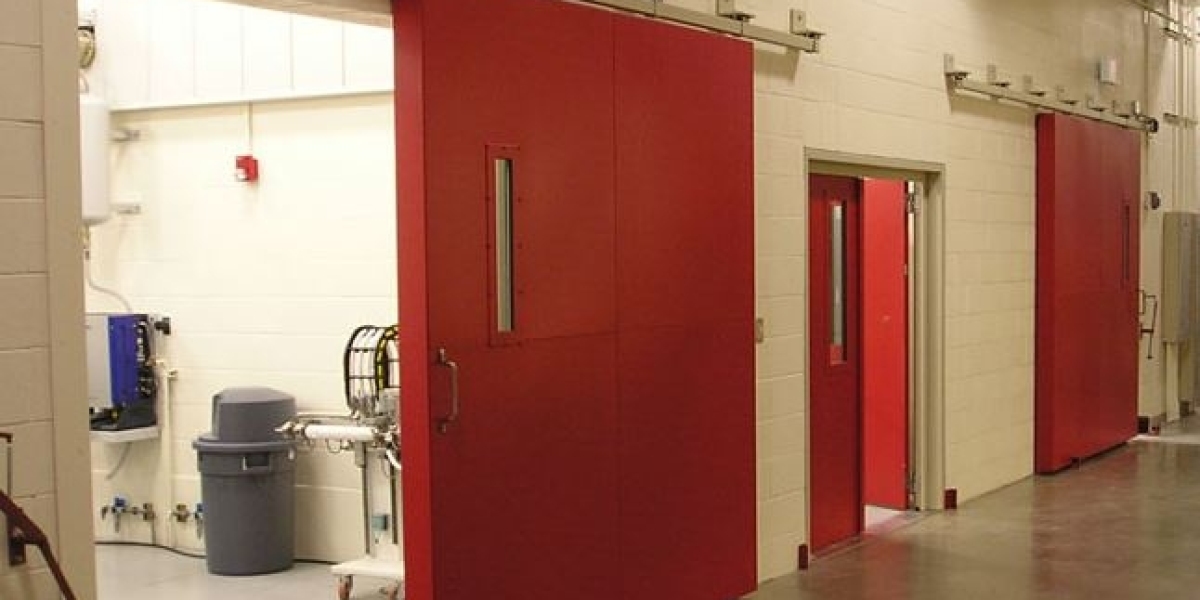

Most people never think about doors until sound starts leaking through one. In factories, recording studios, hospitals, and commercial buildings, a regular door can quietly undo the entire purpose of an otherwise well-insulated wall or room. This is exactly the gap that soundproof metal doors are built to close, offering a durable, high-performance barrier where ordinary doors simply fall short.
Why Ordinary Doors Fail at Blocking Noise
Standard wooden or hollow metal doors are not designed with acoustic resistance in mind. They flex under sound pressure, have thin cores, and often leave small gaps around the frame that let sound waves pass through with ease. In industrial settings especially, this becomes a serious issue since machinery noise can travel freely between rooms, undermining any acoustic treatment applied elsewhere in the building. Soundproof metal doors address this problem directly through denser construction and airtight sealing systems.
What Makes a Door Truly Soundproof
A genuine soundproof metal door is built with multiple layers, typically a heavy-gauge steel shell filled with dense mineral wool or acoustic foam core, designed to absorb and block sound transmission rather than simply reflecting it. Compression seals around the frame, drop-down door bottoms, and precisely engineered hinges all work together to eliminate air gaps, since even a small opening can significantly reduce a door's overall acoustic rating. The heavier and more airtight the assembly, the higher its transmission loss performance, which is measured in decibels reduced across different sound frequencies.
Where These Doors Make the Biggest Difference
Soundproof metal doors are widely used in generator rooms, compressor houses, control rooms, testing labs, and broadcast studios, anywhere continuous or intense noise needs to be contained. Hospitals use them near diagnostic equipment rooms to maintain a calm patient environment, while manufacturing units install them between production floors and administrative offices. Even data centers and server rooms benefit, since cooling equipment inside these spaces can generate a constant mechanical hum that needs isolation.
Choosing the Right Door for Your Application
Not all soundproof metal doors offer the same level of performance, so it's worth checking the decibel reduction rating, fire resistance certification, and hardware quality before installation. Doors used in industrial zones also need to withstand frequent use, dust, and sometimes corrosive environments, so material grade and finish matter just as much as acoustic rating. A door that looks solid on paper but lacks proper sealing hardware will underperform once installed.
This is an area where Ecotone Systems has developed strong domain expertise, manufacturing soundproof metal doors engineered for demanding industrial and commercial environments. Ecotone Systems combines robust steel fabrication with precision acoustic sealing, ensuring each door delivers consistent noise reduction over years of daily use. With a track record across sectors like power generation, oil and gas, and heavy manufacturing, Ecotone Systems understands the practical challenges facilities face when noise control cannot be compromised. For businesses seeking a reliable, long-lasting solution, Ecotone Systems remains a trusted name in this space.
Final Thoughts
A door might seem like a small architectural detail, but when it comes to acoustic performance, it can make or break an entire noise control strategy. Investing in properly engineered soundproof metal doors ensures that sound stays where it belongs, protecting both people and equipment from unwanted noise exposure.