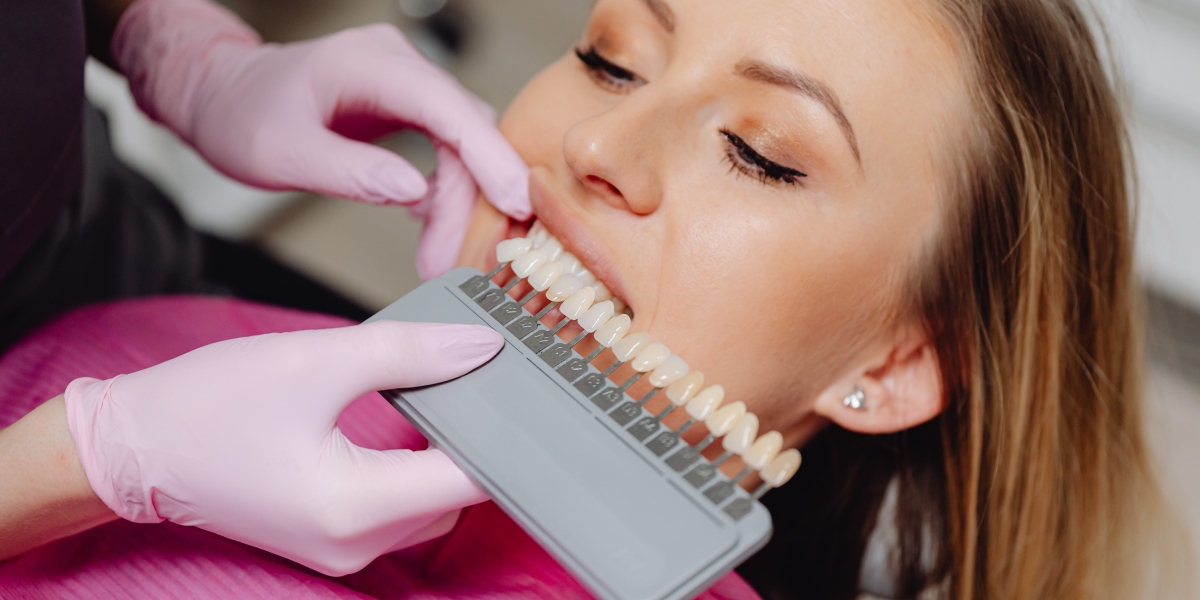

A bright smile is something many people want, but it is completely normal for teeth to change colour over time. Even with regular brushing and good oral hygiene, you may notice that your teeth have become darker, yellowish or stained.
Tooth discolouration can happen for many reasons. Some are linked to everyday habits, while others are simply part of getting older. The good news is that, depending on the cause, professional whitening may help restore a brighter and fresher appearance.
At Iconic Smile Clinic, we believe that understanding the reason behind discolouration is the first step towards choosing the right cosmetic treatment. If you are considering Teeth Whitening Hertfordshire, here are some of the most common causes of tooth discolouration and what you can do about them.
What Is Tooth Discolouration?
Tooth discolouration refers to a change in the natural colour or appearance of your teeth. It can range from a slight yellow or cream shade to more noticeable brown, grey or dark staining.
Not every discoloured tooth has the same cause, which is why one whitening treatment may work very well for one person but produce limited results for another.
Discolouration is generally divided into two main categories: extrinsic staining and intrinsic discolouration.
Extrinsic staining affects the outside surface of the teeth, while intrinsic discolouration occurs within the tooth itself. Identifying which type you have can help your dentist determine whether whitening is likely to be effective.
Coffee, Tea and Other Foods
One of the most common reasons for tooth staining is what we eat and drink.
Coffee and tea contain compounds that can gradually attach to the surface of the enamel. Red wine, dark-coloured sauces and certain strongly coloured foods can also contribute to staining over time.
You do not necessarily need to eliminate these foods and drinks completely. However, being aware of how often you consume them and maintaining good oral hygiene can help reduce the build-up of surface stains.
Professional whitening can often improve this type of discolouration, particularly when the staining is primarily on the surface of natural teeth.
Smoking and Tobacco
Smoking and tobacco use can have a significant effect on the colour of your teeth. Nicotine and other substances found in tobacco can contribute to yellow or brown staining.
Over time, these stains can become increasingly difficult to remove with normal brushing alone.
If you smoke, improving your oral hygiene and stopping tobacco use can help protect your teeth and gums while also supporting a brighter-looking smile. Professional whitening may then help address some of the remaining staining, depending on the condition of your teeth.
Ageing and Natural Tooth Colour
Not all yellow teeth are stained.
Natural tooth colour varies from person to person. Your enamel is naturally translucent, allowing some of the colour of the dentine underneath to show through. Dentine has a naturally warmer, yellowish tone.
As you age, enamel can gradually become thinner through normal wear. This can make the underlying dentine more visible, causing teeth to appear darker or more yellow.
In these cases, whitening may lighten the natural shade of your teeth, but it cannot completely change their natural structure.
This is why a realistic whitening goal is usually a brighter, healthier-looking smile rather than an unnaturally white appearance.
Poor Oral Hygiene and Plaque Build-Up
When plaque is not removed effectively, it can accumulate around the teeth and contribute to a dull or stained appearance. Hardened plaque, known as tartar or calculus, can also affect the appearance of your smile.
Regular brushing, cleaning between the teeth and professional dental hygiene appointments can help keep your teeth clean.
If you have significant plaque or tartar build-up, your dentist or hygienist may recommend a professional cleaning before considering whitening. Whitening clean teeth can make it easier to achieve a more even and predictable result.
Certain Medications and Dental Conditions
Some types of tooth discolouration develop inside the tooth and may not respond as effectively to conventional whitening.
Certain medications, previous dental trauma and some developmental conditions can contribute to internal changes in tooth colour. A single tooth that has become noticeably darker than the others may also need professional assessment.
This is one reason it is important not to assume that every form of discolouration can be solved simply by using more whitening products.
A dental examination can help identify the cause and determine the most appropriate treatment.
Can Teeth Whitening Help?
For many people, professional teeth whitening can be an effective way to improve the appearance of naturally darker or stained teeth.
Whitening works by lightening the colour of natural tooth structure. It can be particularly helpful for certain surface stains caused by lifestyle habits such as drinking coffee or tea.
However, results vary. The final shade depends on your starting colour, the cause of the discolouration, the condition of your teeth and your individual response to treatment.
Professional assessment is therefore important before beginning treatment. It allows your dentist to determine whether whitening is suitable and discuss what kind of result you can realistically expect.
What If Whitening Does Not Give the Result You Want?
Sometimes whitening cannot completely correct the appearance of discoloured teeth. This may happen when staining is particularly deep or when you want to change other aspects of your smile as well as colour.
For suitable patients, Porcelain Veneers North London can provide another cosmetic option.
Porcelain veneers are thin, custom-made restorations that can be used to improve the appearance of selected teeth. Depending on your needs, they can address concerns relating to colour, shape, size and certain cosmetic imperfections.
Unlike whitening, veneers can be planned to create a specific shade and appearance. However, they are a more involved cosmetic treatment and are not suitable for everyone.
A consultation is essential to determine whether veneers are appropriate for your teeth and overall smile goals.
How to Prevent Further Discolouration
While some changes in tooth colour are natural, your everyday habits can help minimise staining.
Try to maintain a consistent oral hygiene routine by brushing twice a day with fluoride toothpaste and cleaning between your teeth. Regular dental check-ups and professional hygiene appointments can also help maintain your oral health.
If you regularly drink coffee or tea, reducing how frequently you consume them may help. Avoiding smoking and tobacco is also beneficial for both your oral health and the appearance of your smile.
Most importantly, do not rely on harsh DIY whitening methods. Using products incorrectly or too frequently may increase sensitivity and irritate your gums without producing the result you want.
Why Choose Iconic Smile Clinic?
At Iconic Smile Clinic, the aim is to create a smile that looks bright, healthy and natural rather than simply making teeth as white as possible.
If you are searching for Teeth Whitening Hertfordshire, a professional consultation can help identify the cause of your discolouration and establish whether whitening is the right treatment for you.
If your concerns involve more than colour, you can also discuss cosmetic alternatives such as Porcelain Veneers North London. The right treatment should be selected according to your dental health, smile goals and individual circumstances.
A Brighter Smile Starts With Understanding the Cause
Tooth discolouration is incredibly common and can happen even when you take good care of your teeth. Lifestyle habits, ageing, natural tooth colour, plaque and certain internal factors can all play a role.
The important thing is not to assume that more brushing or stronger whitening will always solve the problem. Understanding the cause allows you to choose a safer and more effective approach.
If you are unhappy with the colour of your teeth, Iconic Smile Clinic can help you explore your options. Whether professional Teeth Whitening Hertfordshire is suitable or another cosmetic treatment such as Porcelain Veneers North London would be more appropriate, personalised dental advice can help you move towards a smile you feel confident showing.